Moto Guzzi’s New Museum and the Architecture of Continuity
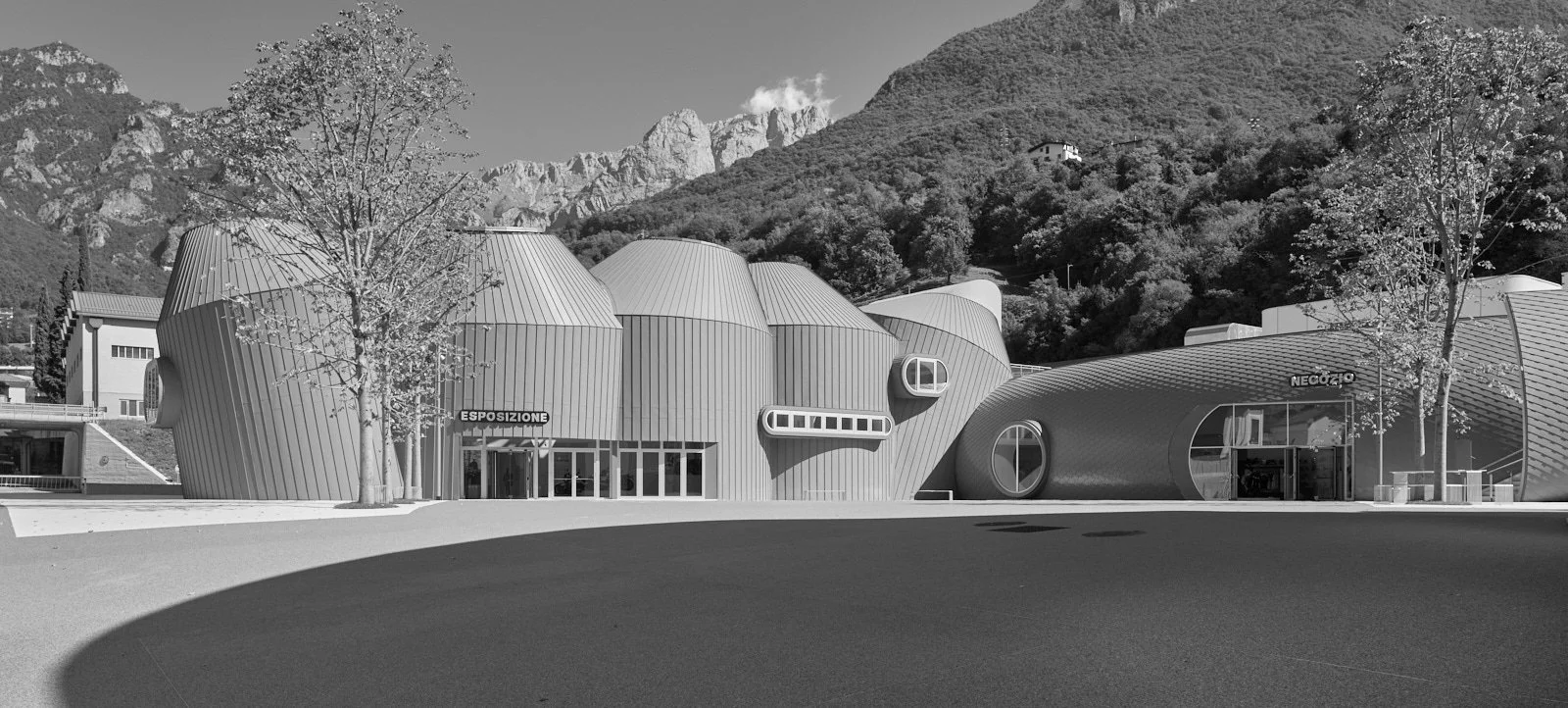
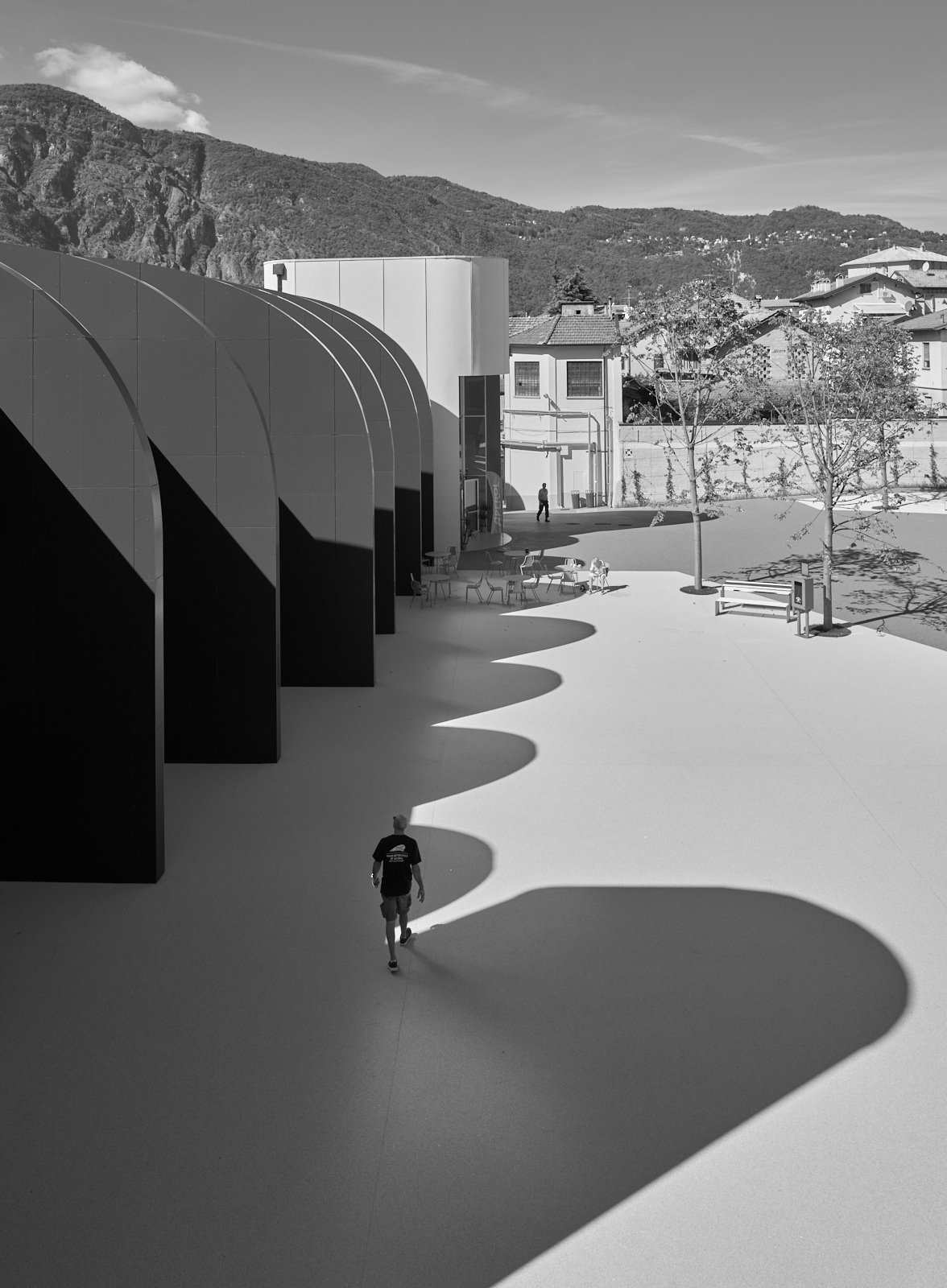
Lake Como, Italy, is usually pictured through its villas, gardens and waterfront villages. In Mandello del Lario, on the lake’s eastern shore, another kind of Italian history is still being made. Moto Guzzi has manufactured motorcycles here since 1921, with the mountains rising behind the town and the lake close by. That connection between industry and landscape gives its new museum an unusually strong sense of place.
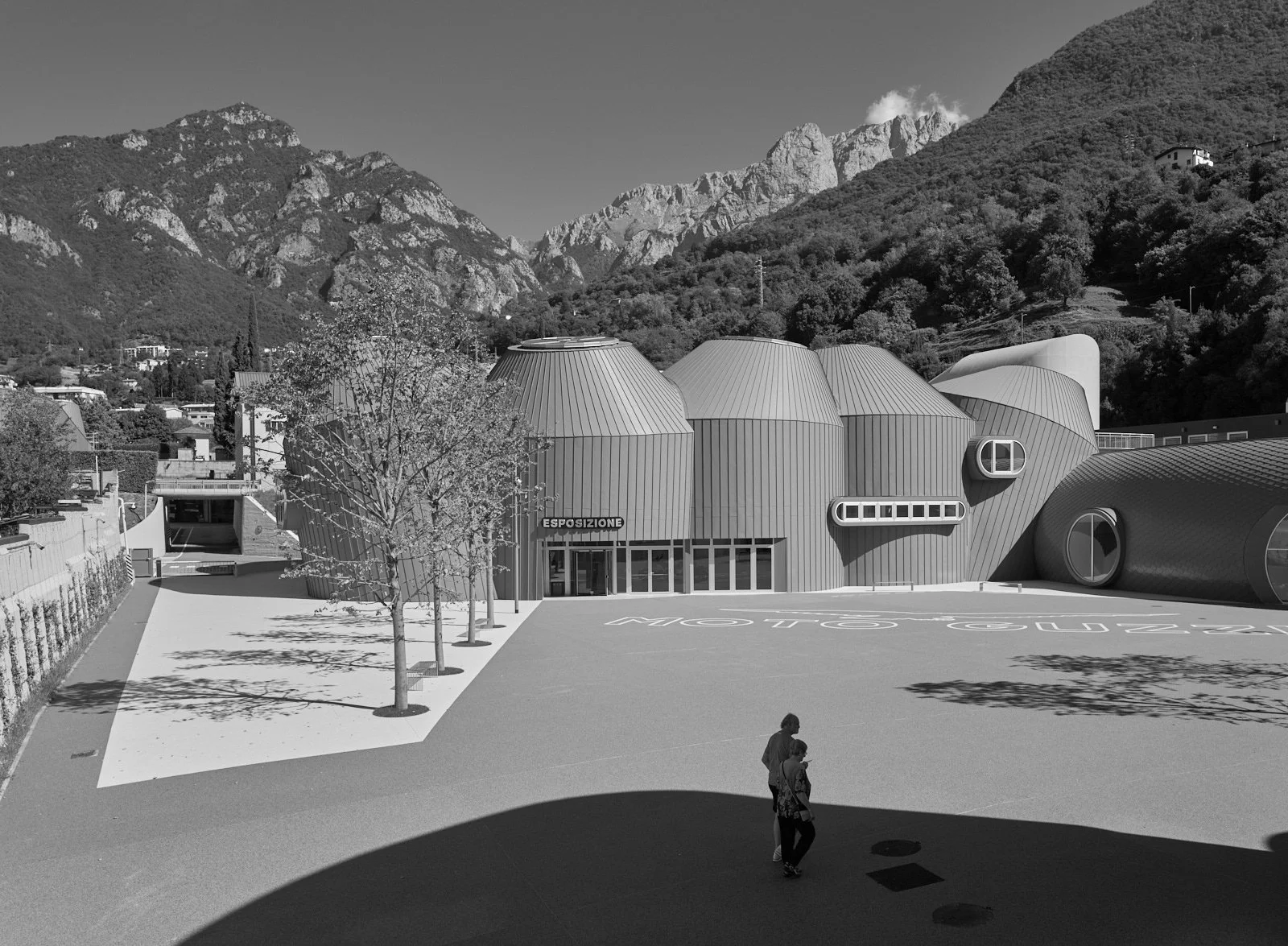
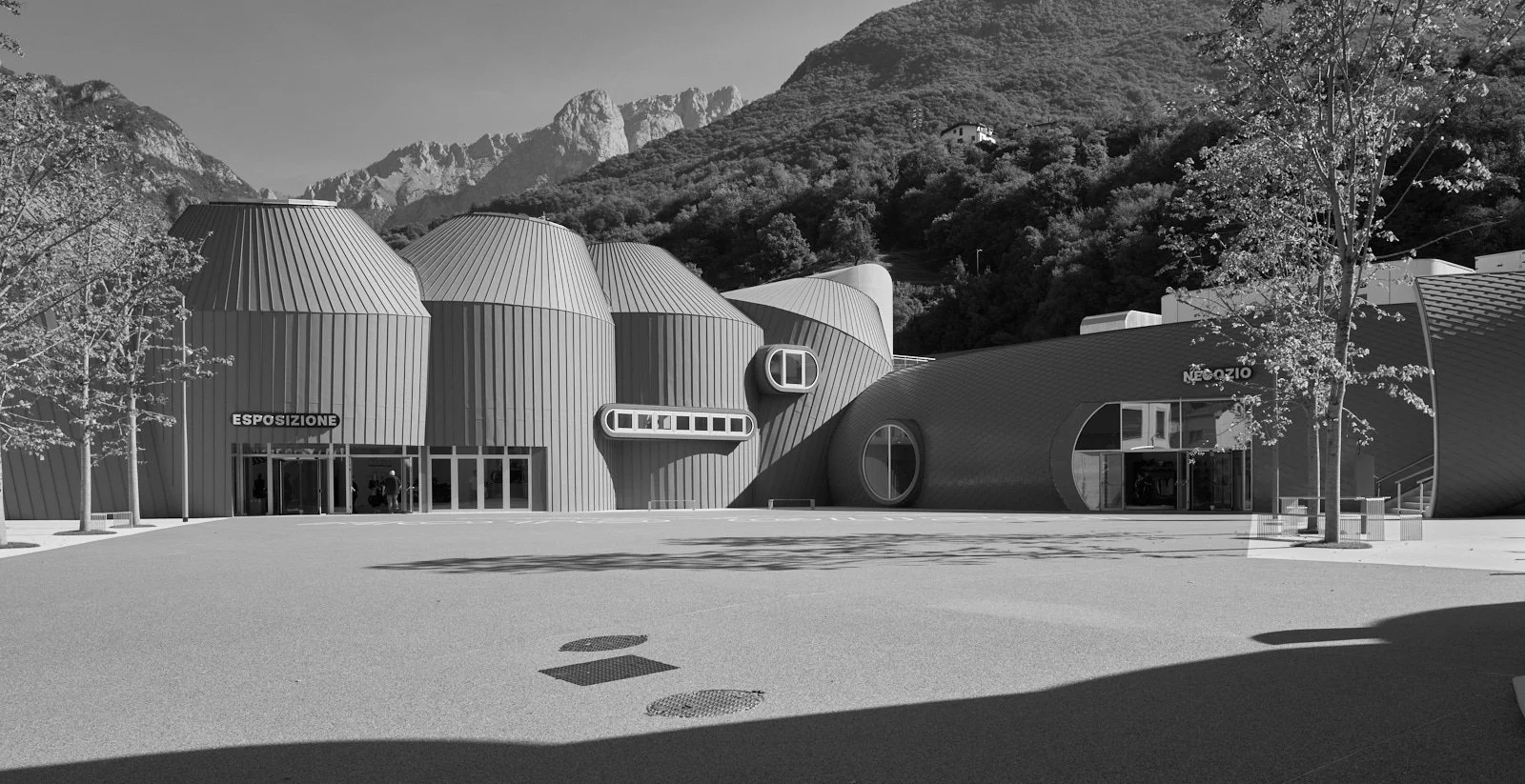
Inaugurated in September 2026, the museum and redeveloped manufacturing complex were designed by American architect Greg Lynn and his practice, Greg Lynn FORM. The project represents nearly five years of work and an investment exceeding €50 million. Its most consequential decision may be its simplest: Moto Guzzi has committed to the place where its story began.
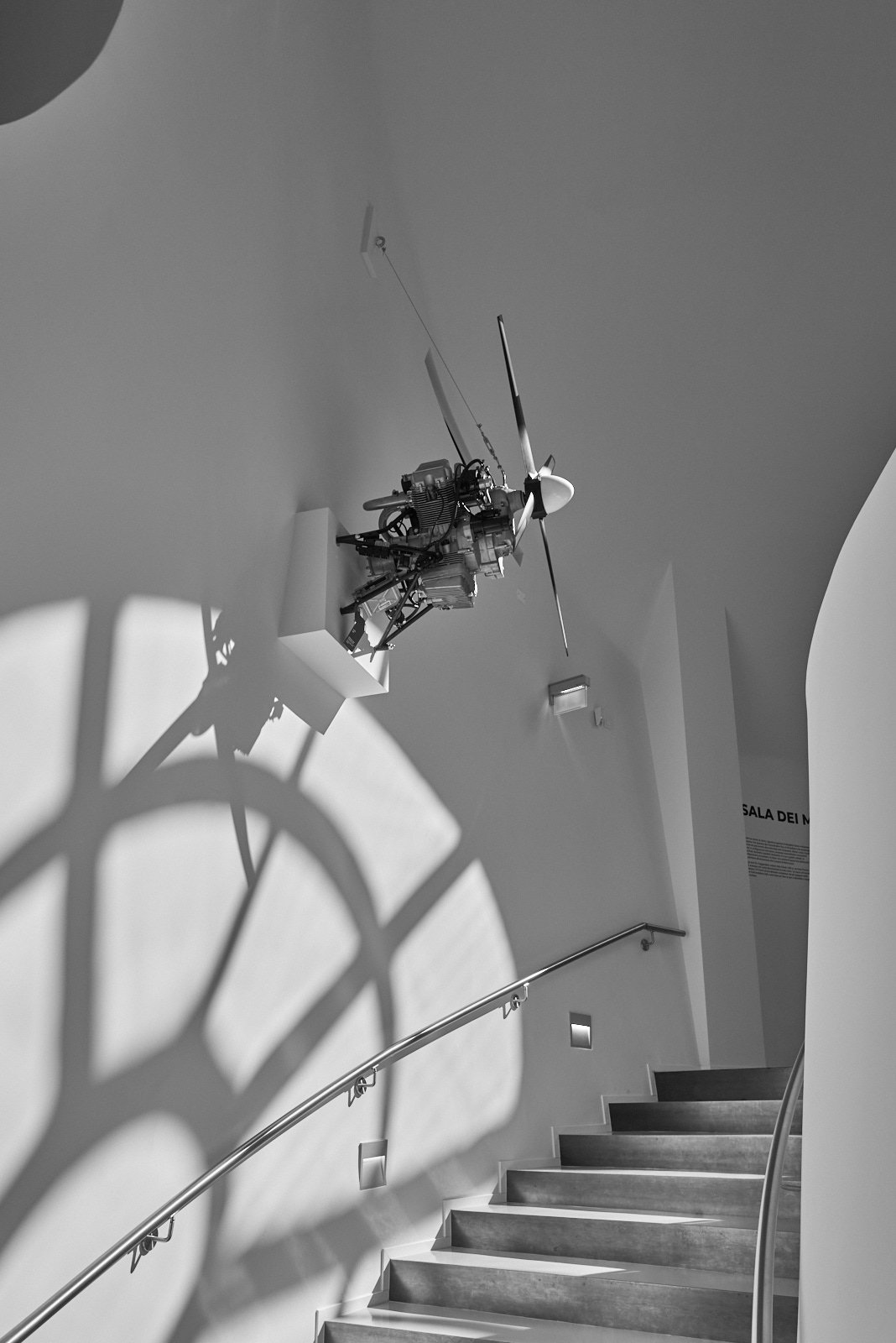
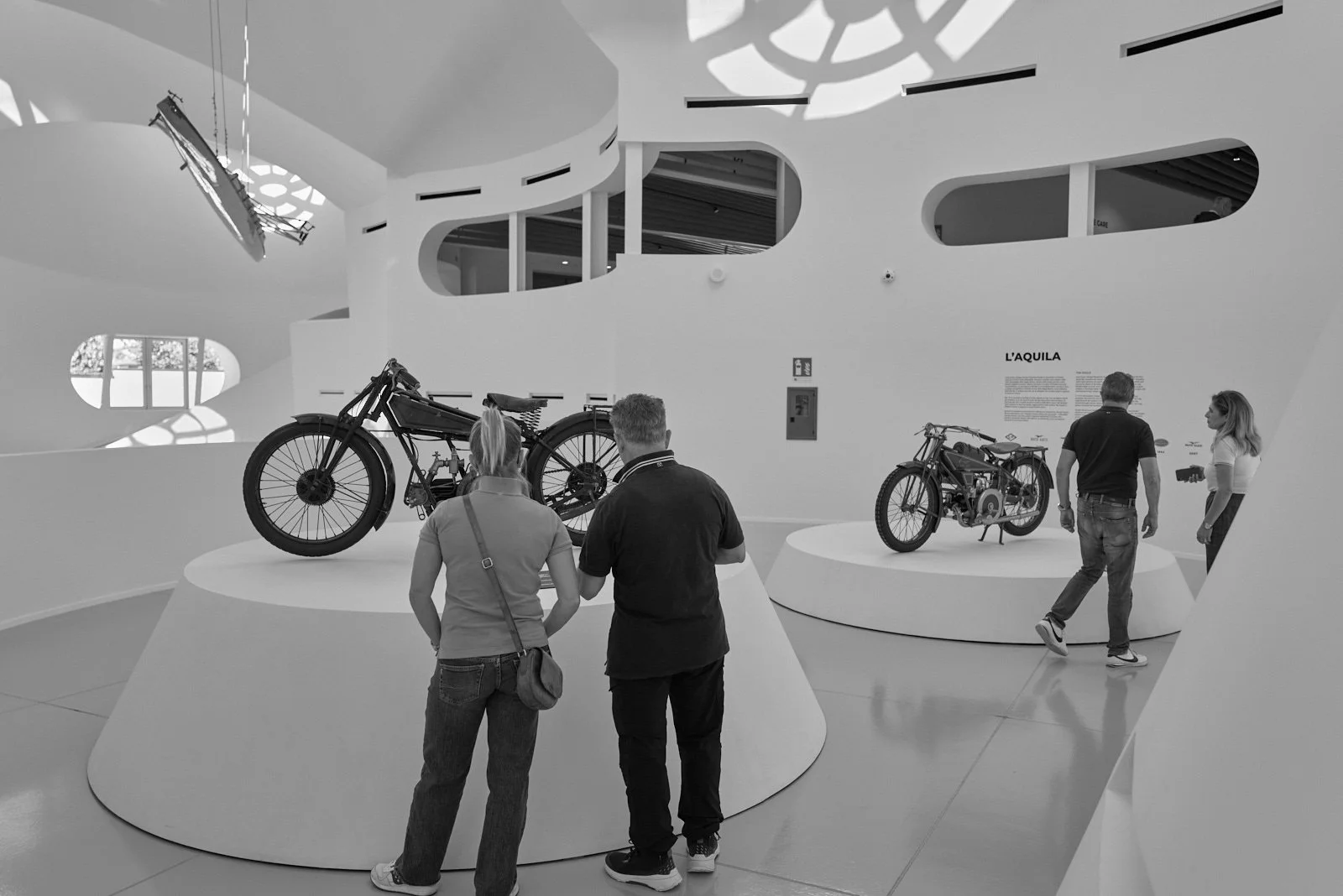
The company’s origins lie in a friendship formed during the First World War. Carlo Guzzi, Giorgio Parodi and Giovanni Ravelli shared an interest in engines and the possibility of building motorcycles. Guzzi supplied the engineering vision; the Parodi family provided financial backing. Ravelli, a pilot and motorcycle racer, died in an aircraft accident before the company was established. When Moto Guzzi was founded on March 15, 1921, its partners were Carlo Guzzi, Giorgio Parodi and Giorgio’s father, Emanuele Vittorio Parodi. The eagle became a tribute to Ravelli and their connection to aviation. Behind one of motorcycling’s most recognizable emblems is a story of friendship and loss.
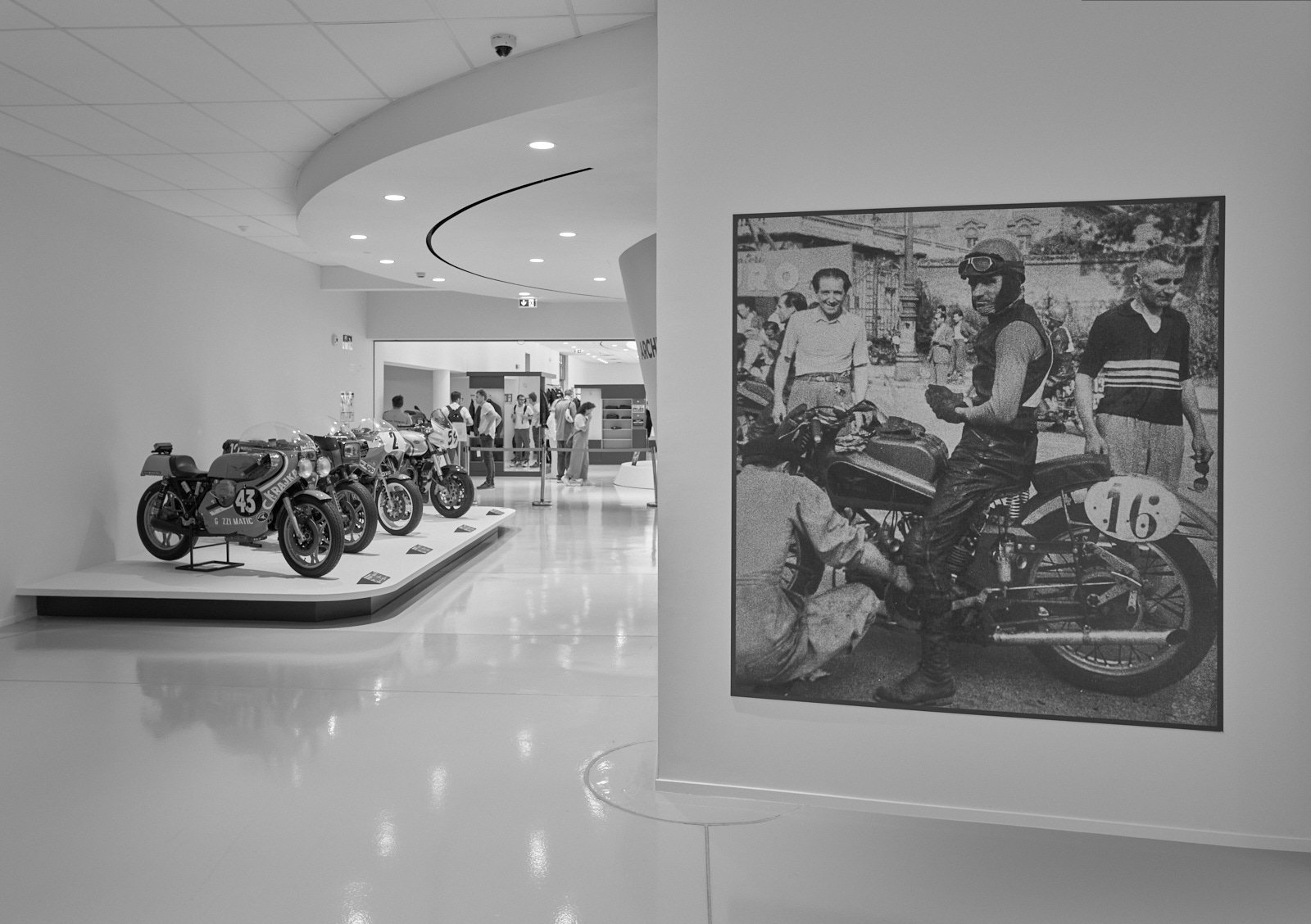
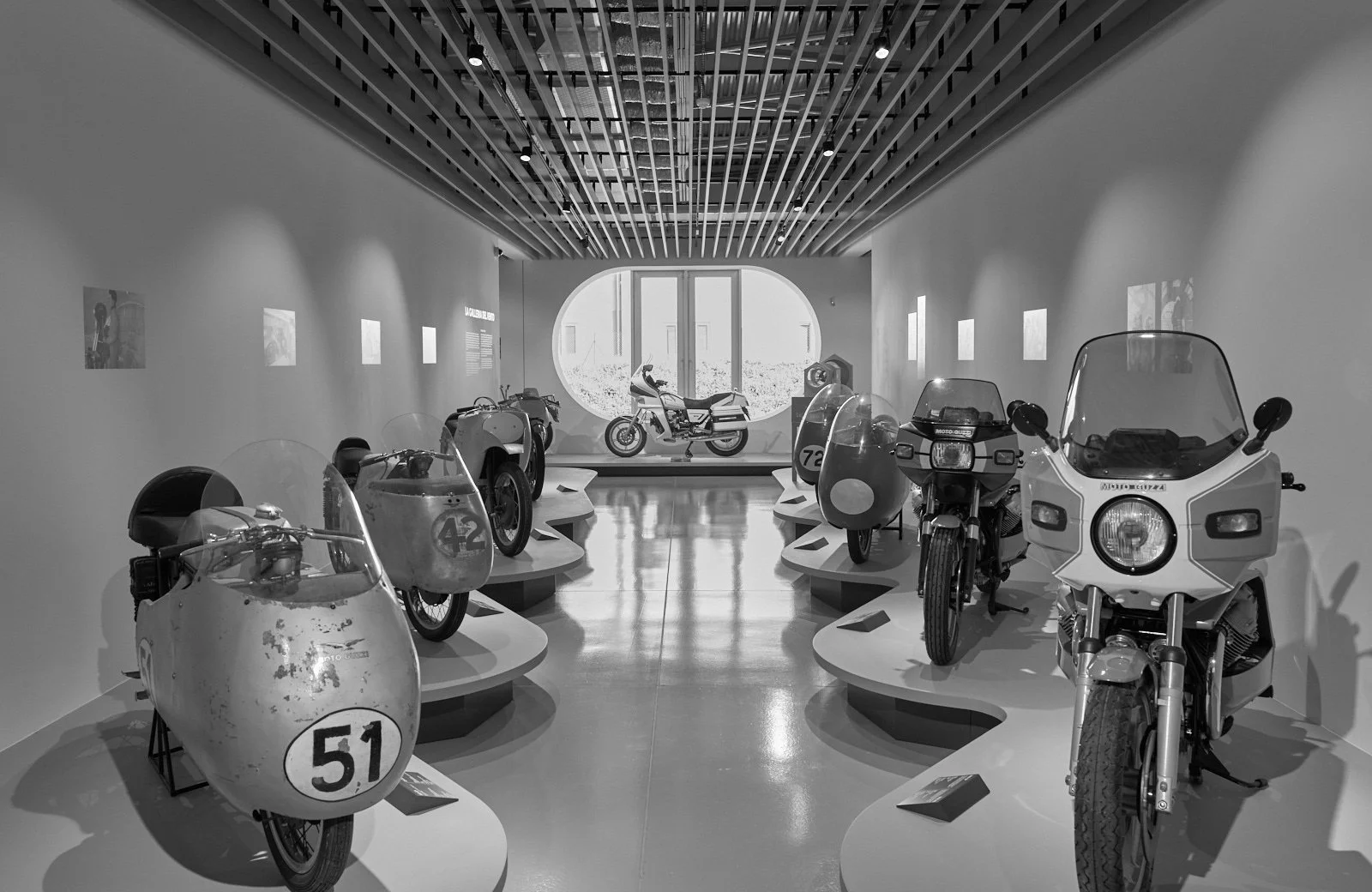
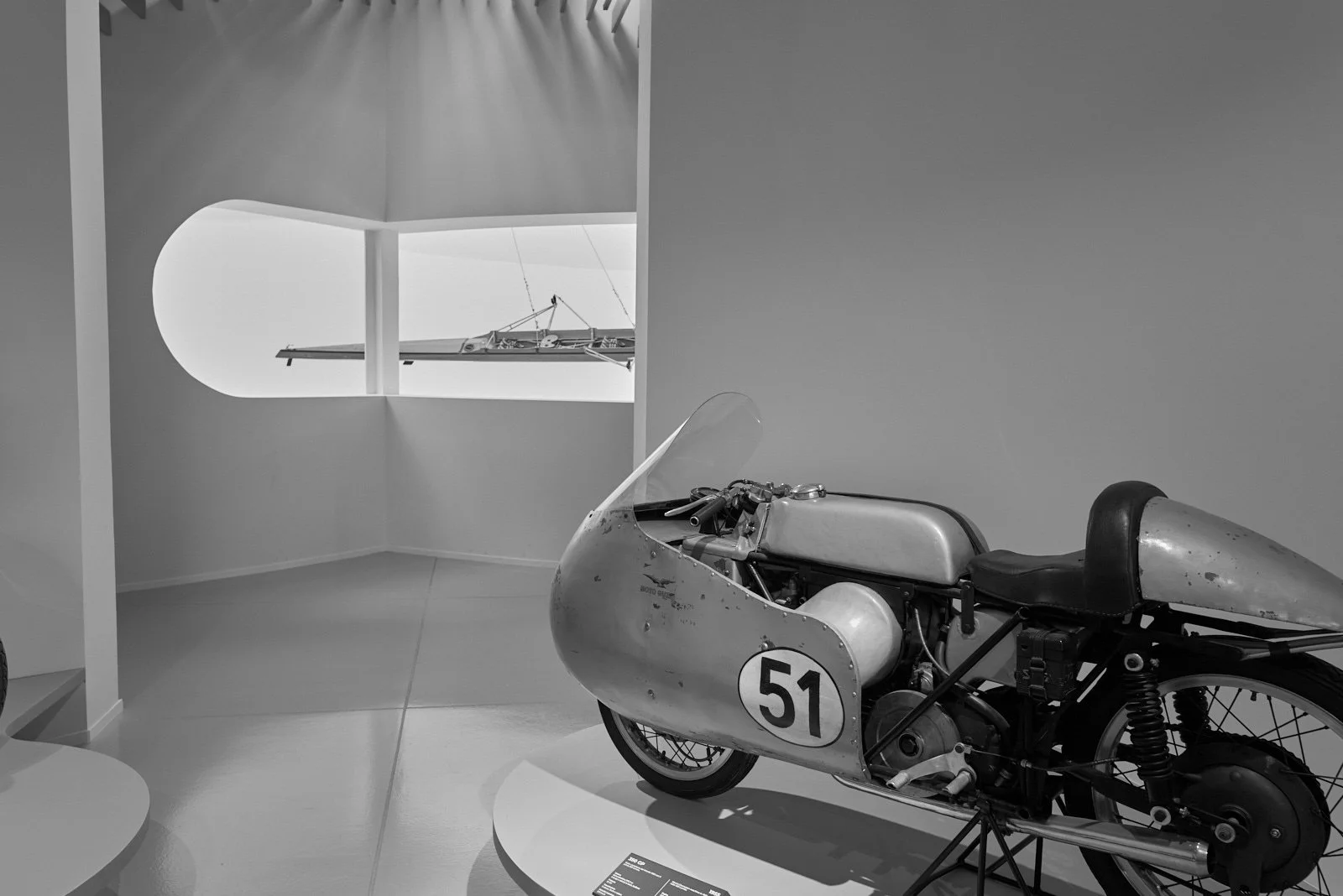
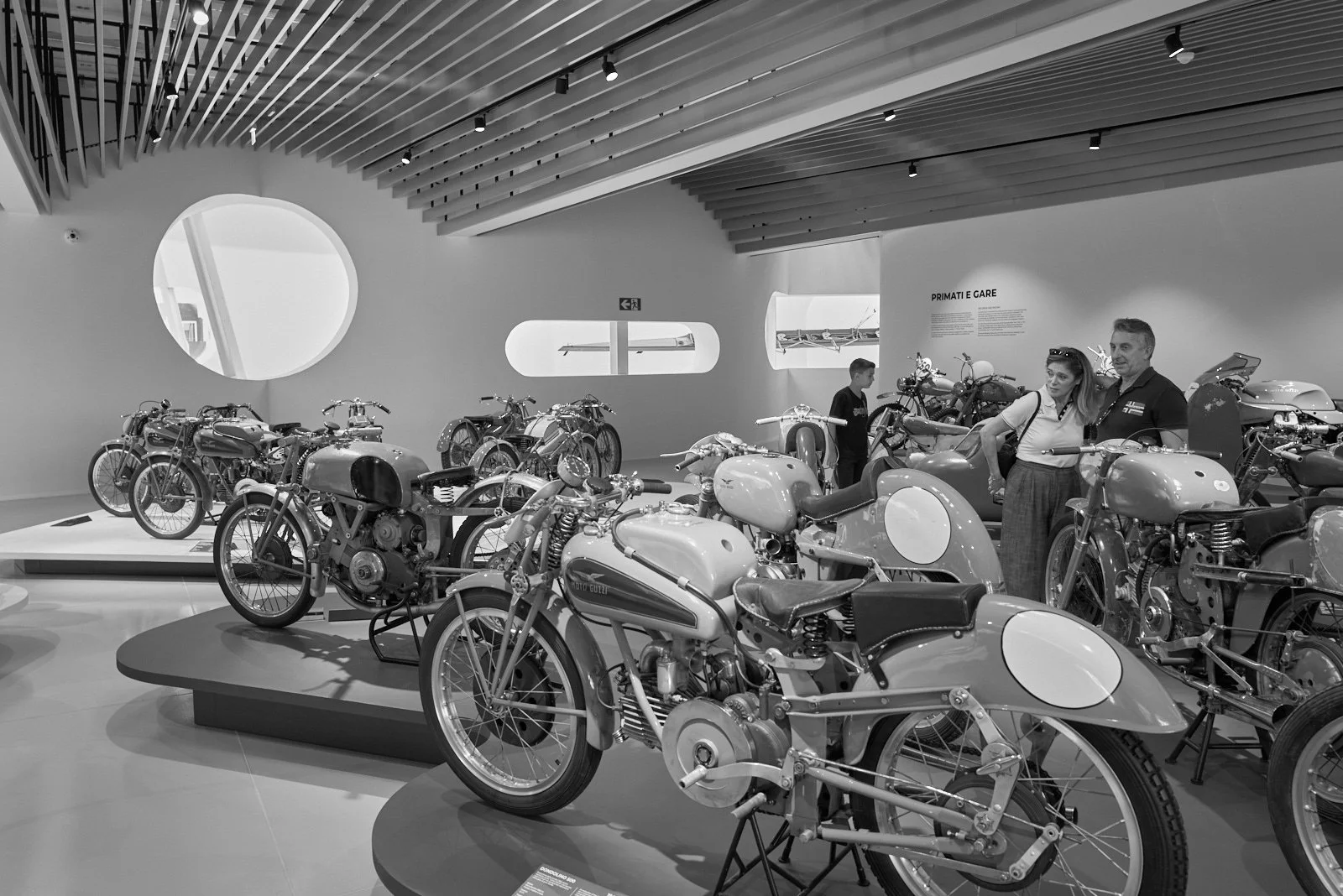
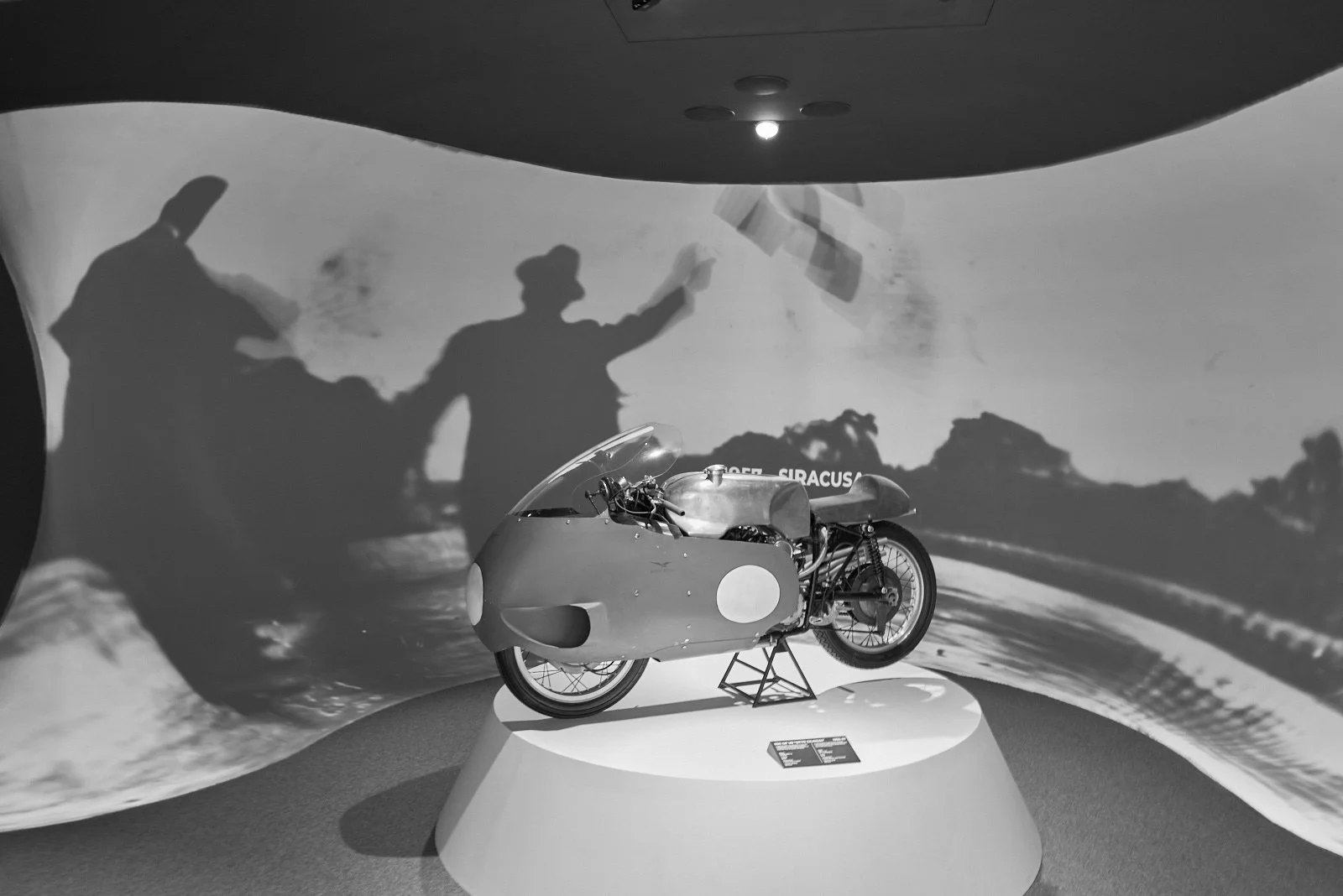
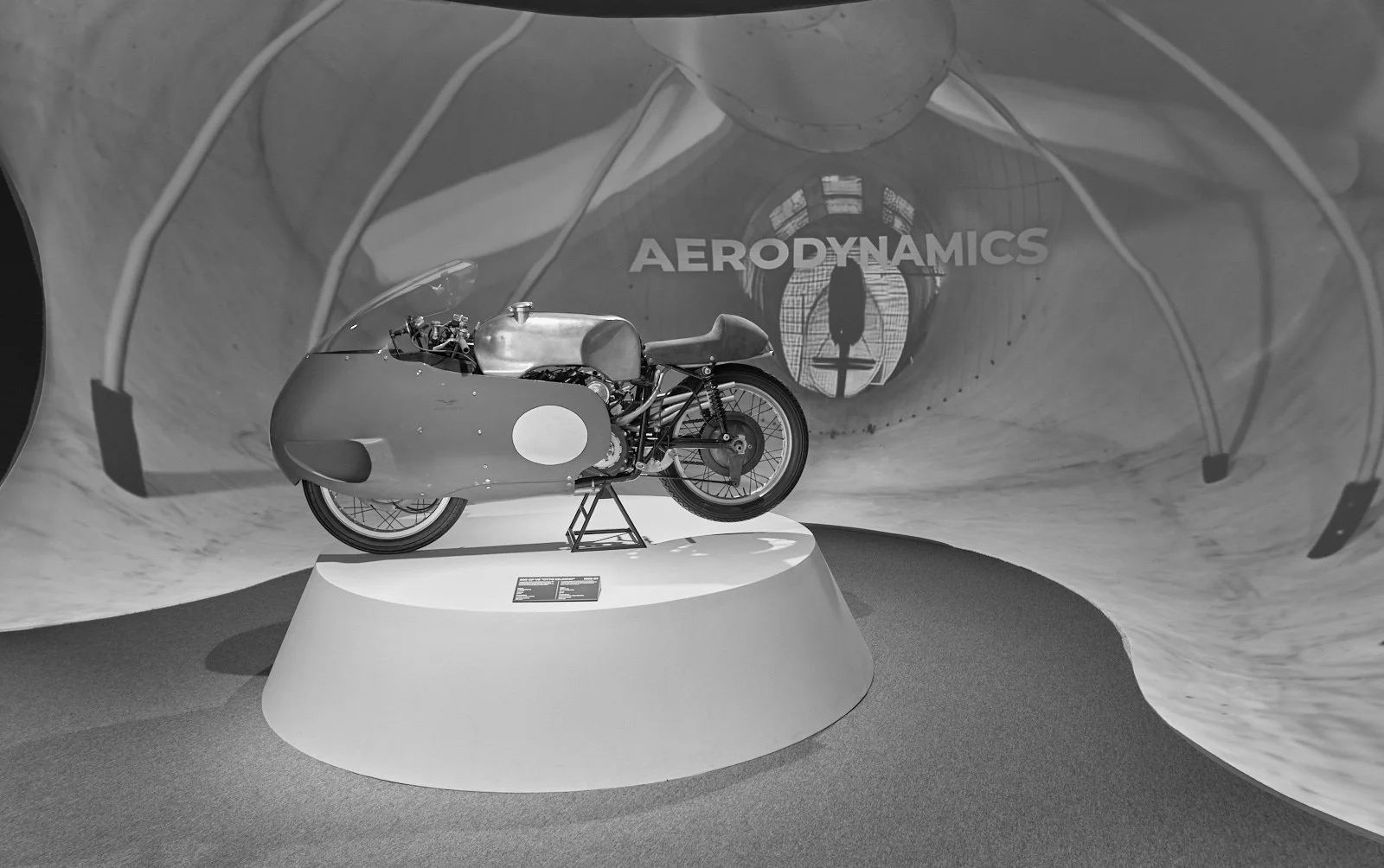
Engineering curiosity quickly became central to the company. Its first production motorcycle, the Normale, appeared in 1921. Racing brought international recognition, while the construction of a motorcycle wind tunnel in 1950 demonstrated a serious commitment to aerodynamic research. By its withdrawal from Grand Prix racing in 1957, Moto Guzzi had accumulated 14 world titles, counting riders’ and manufacturers’ championships, and 11 Isle of Man Tourist Trophy victories.
That history gives the museum substance beyond the appeal of beautiful machinery. Motorcycles record changing ideas about speed, comfort, work and travel. Their engines, frames and bodywork reveal what designers understood, what manufacturing allowed and what riders expected.
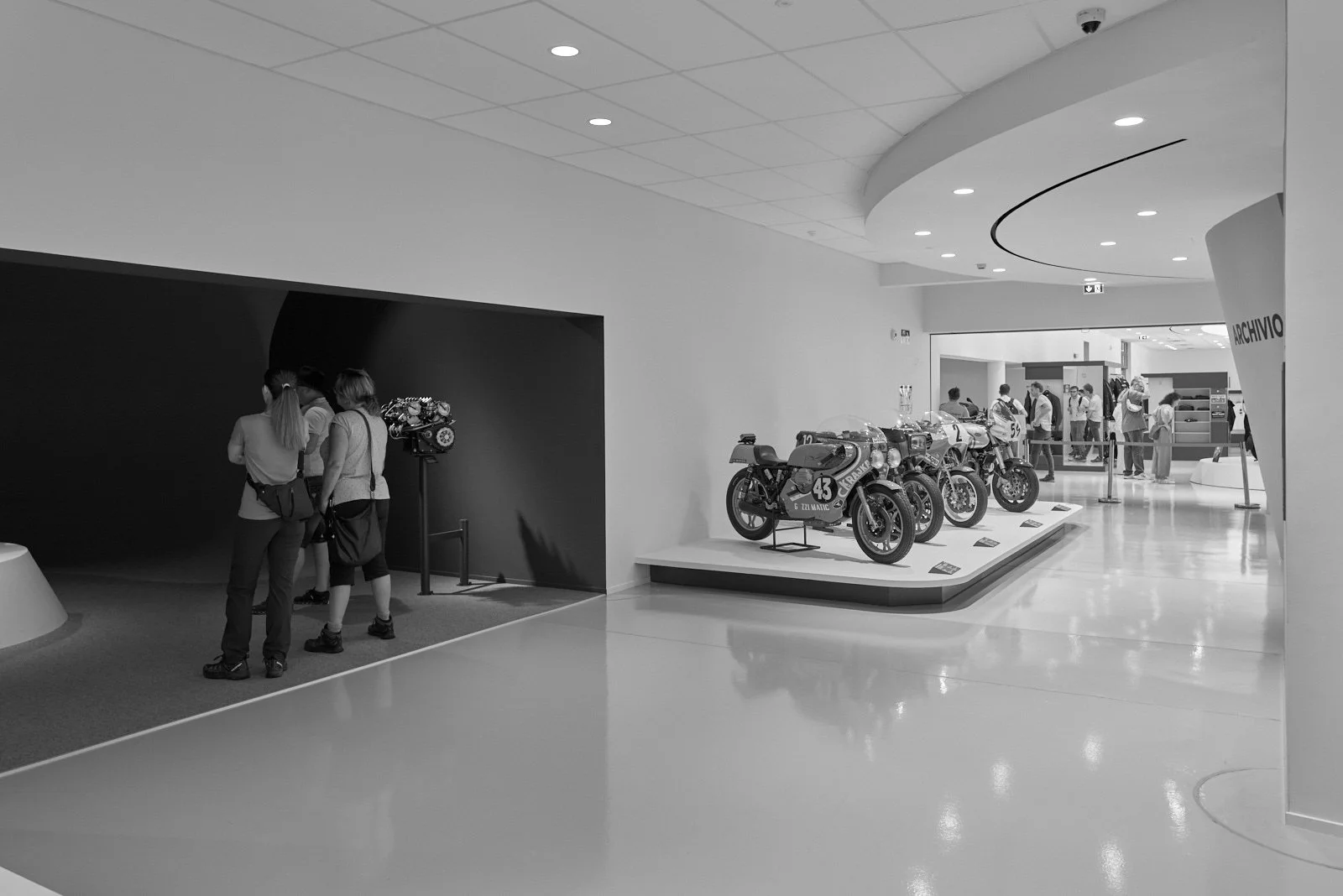
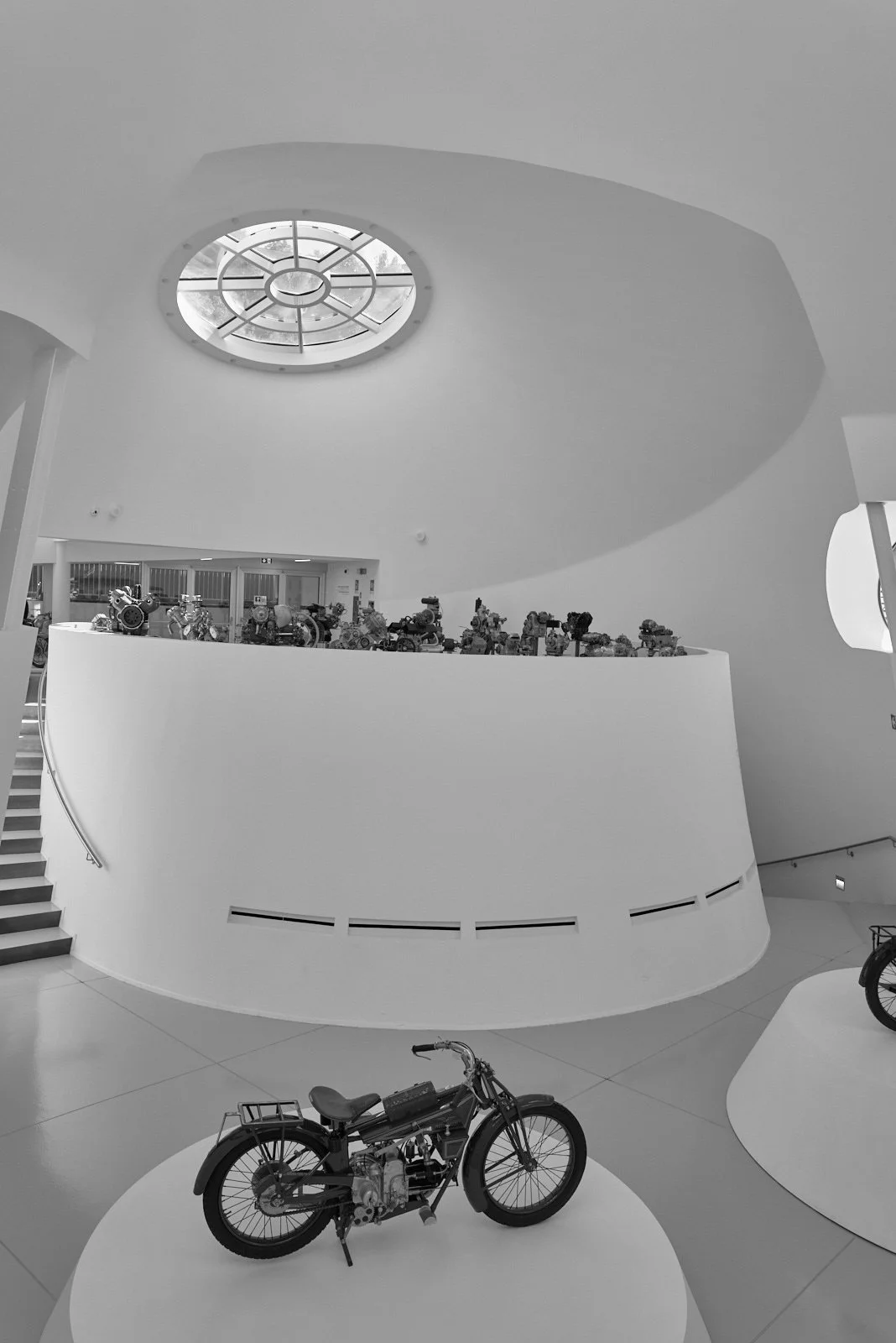
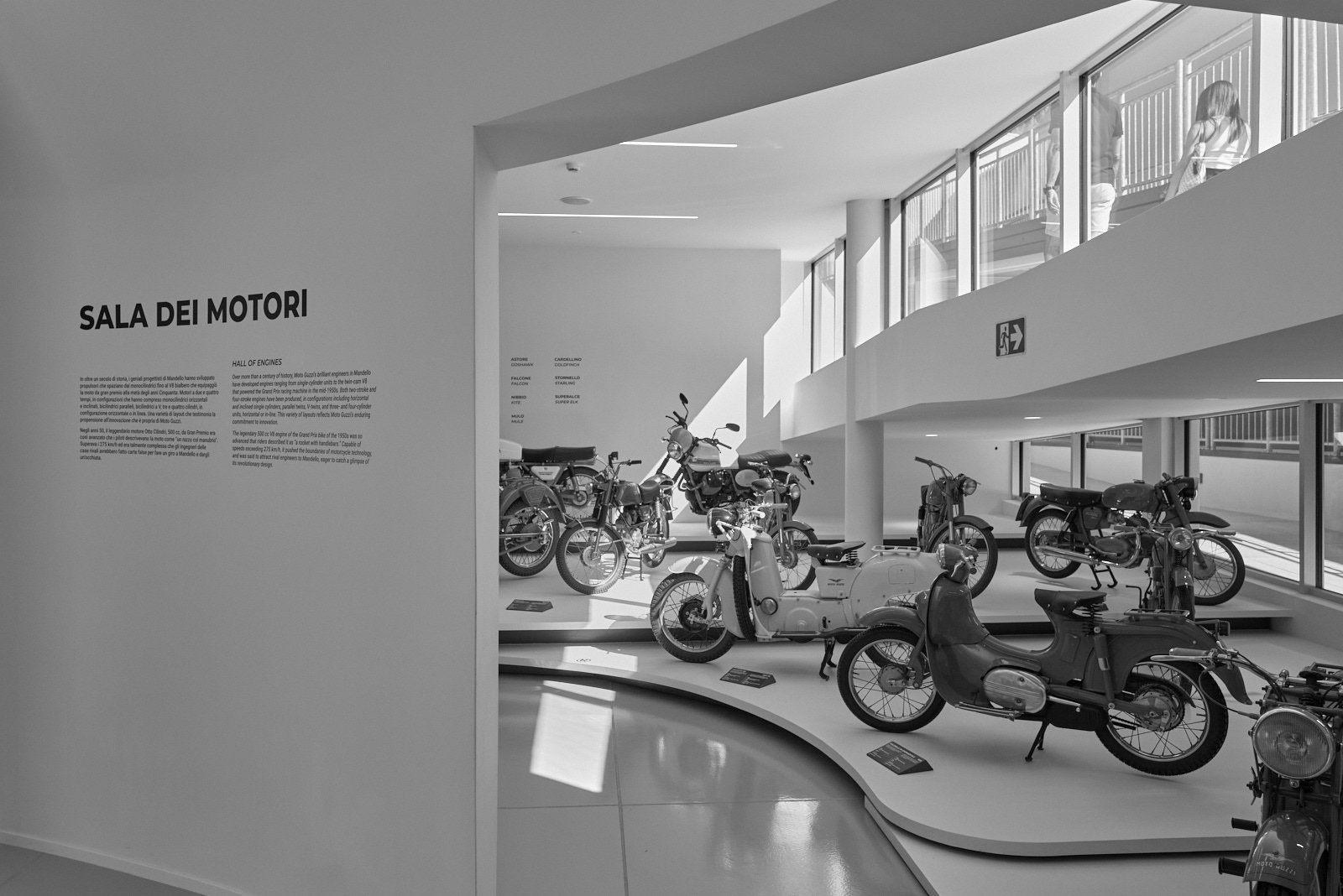
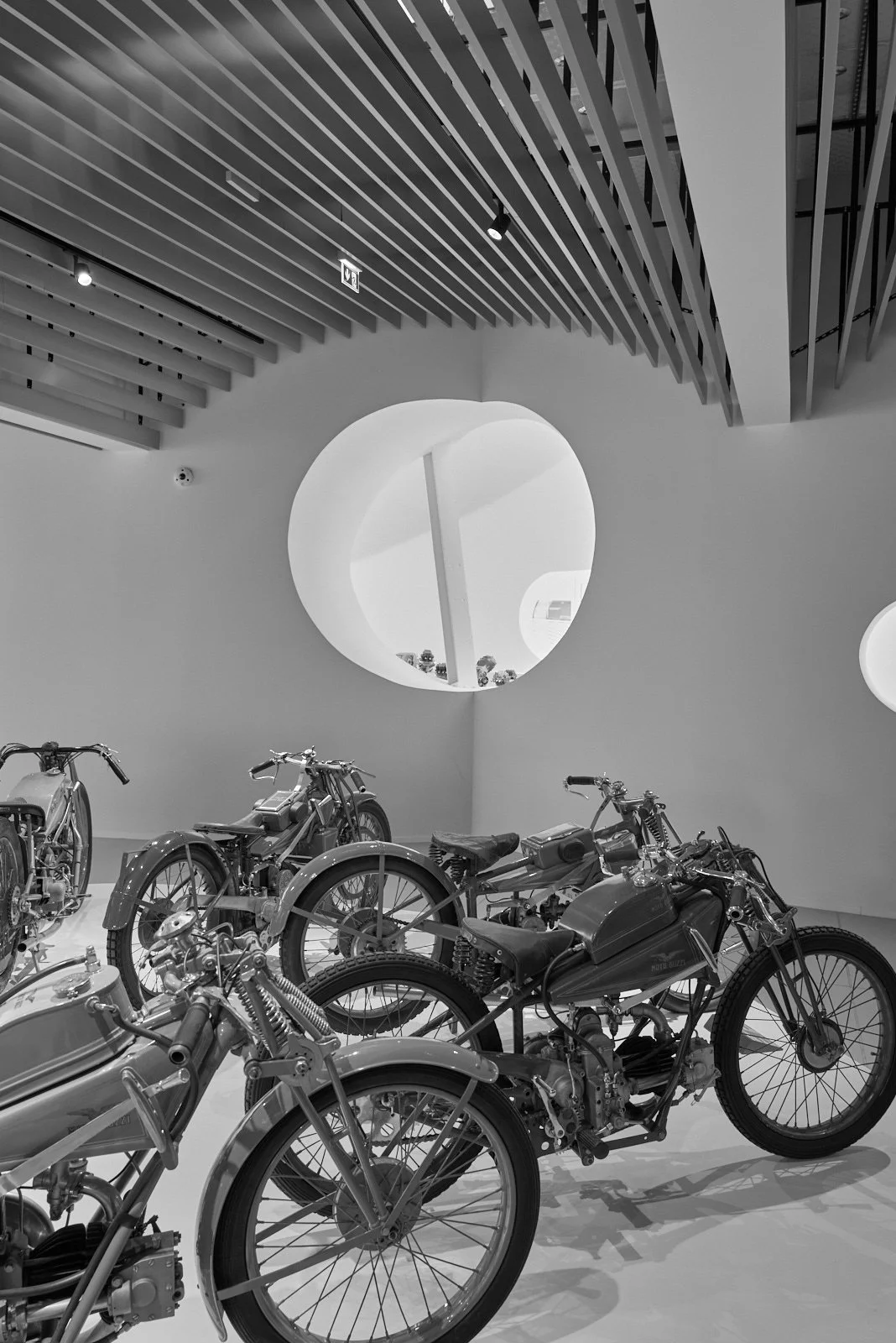
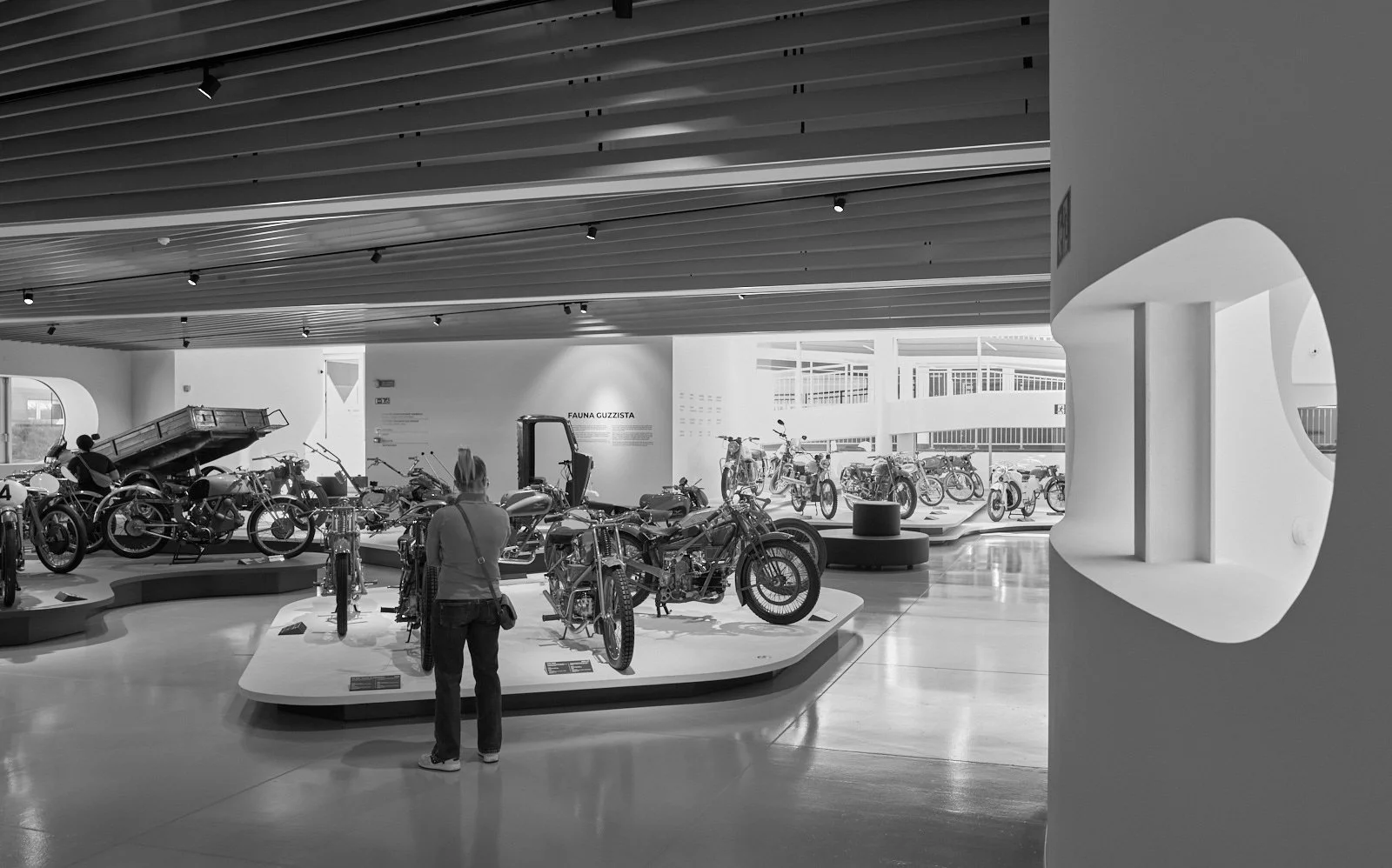
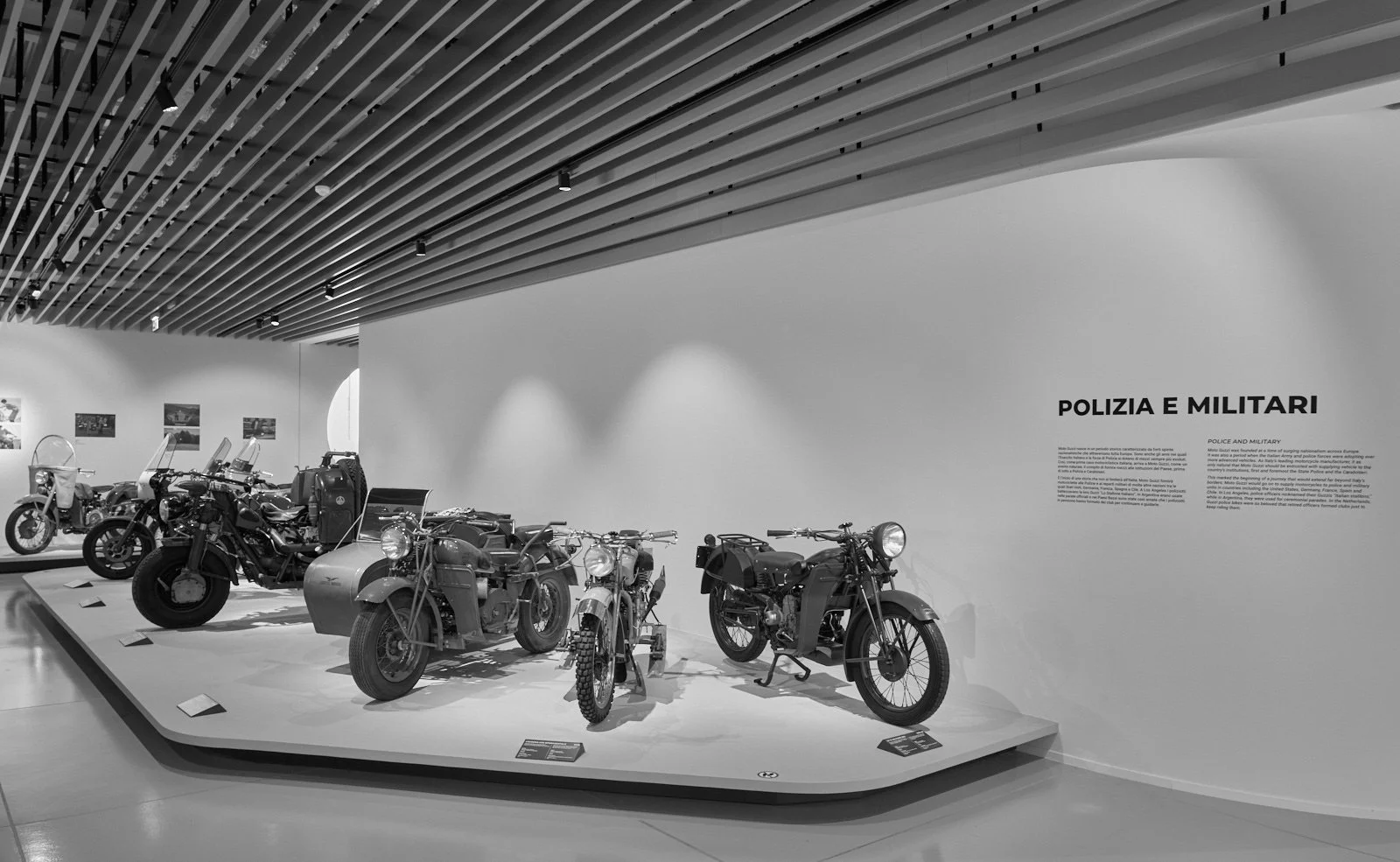
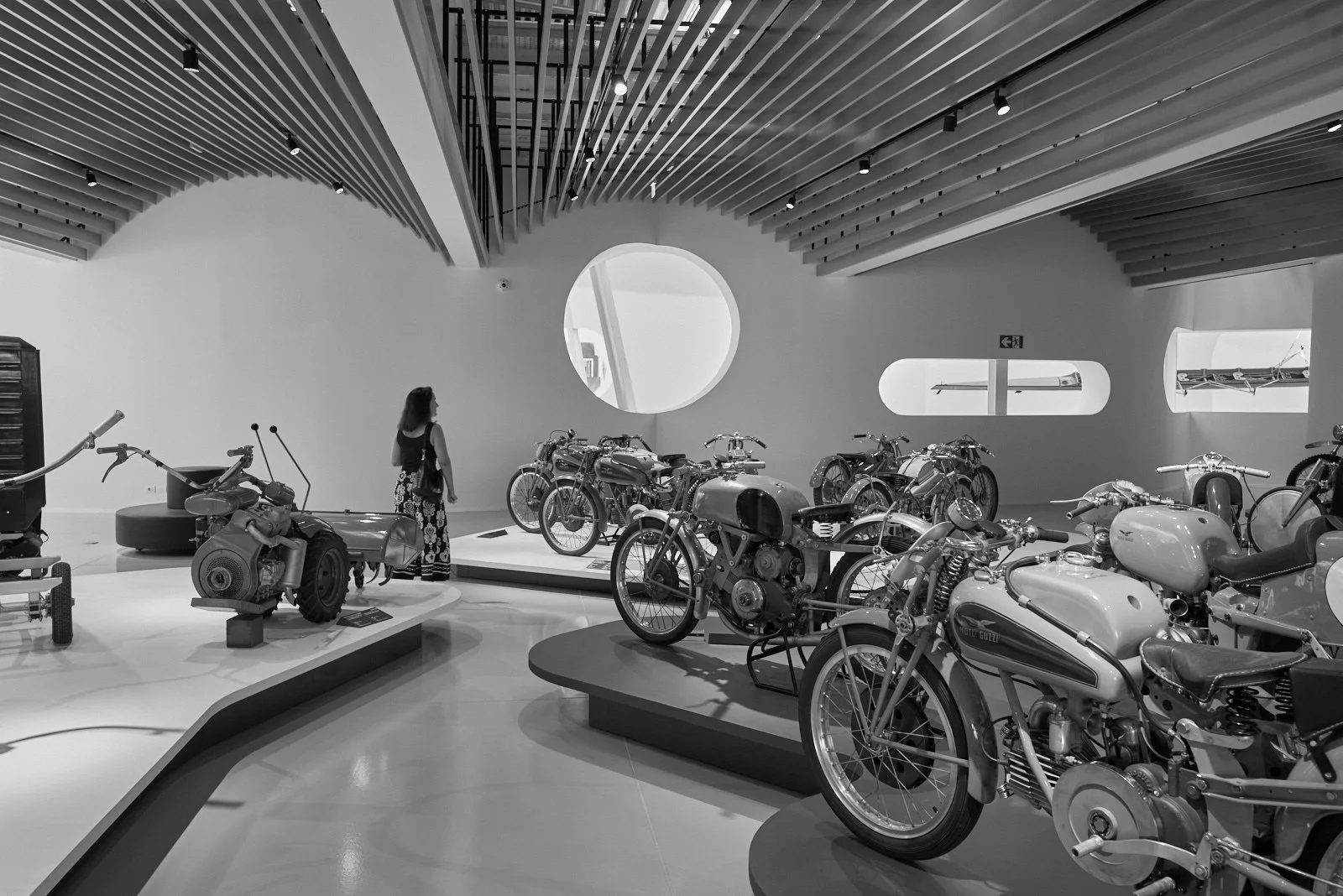
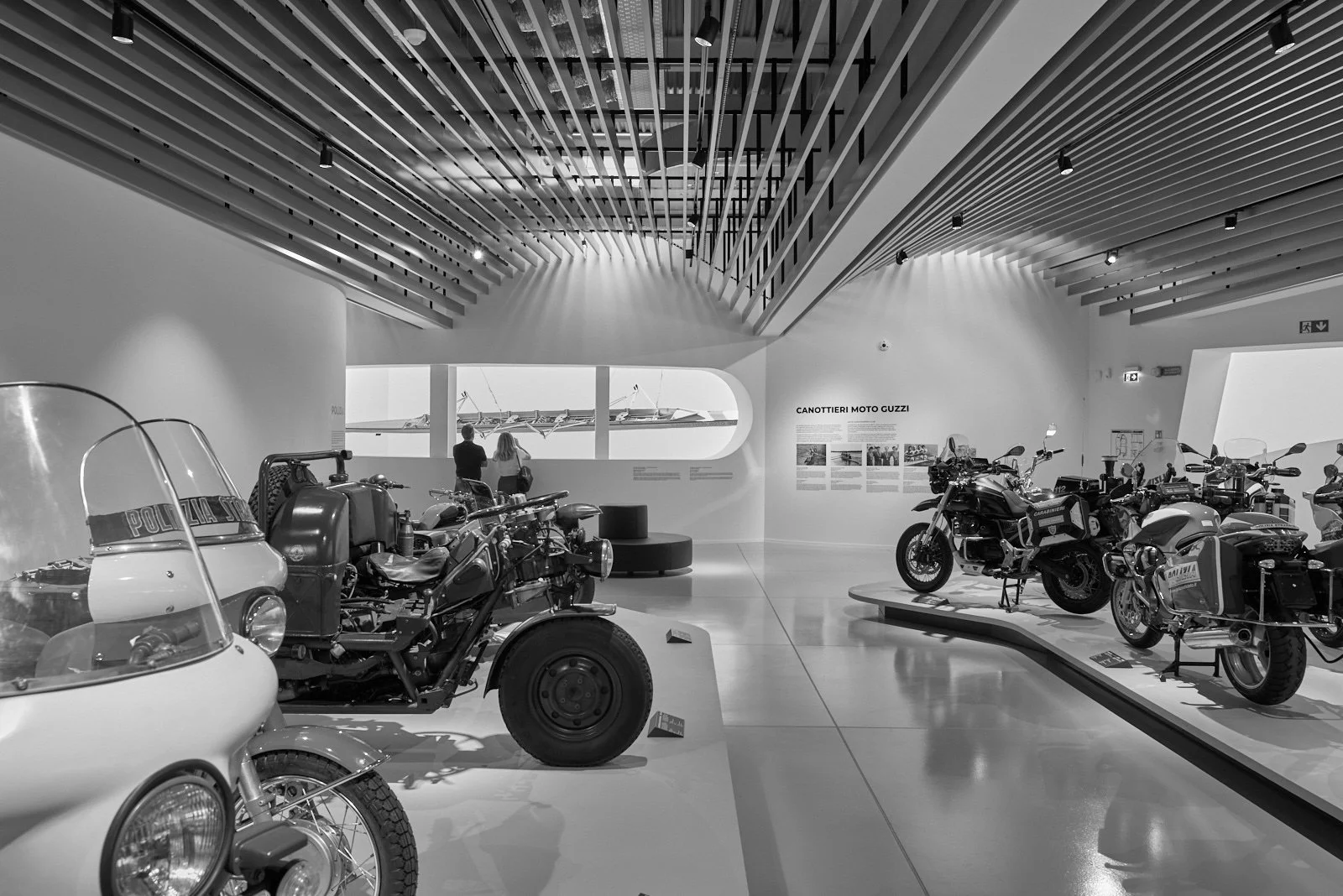
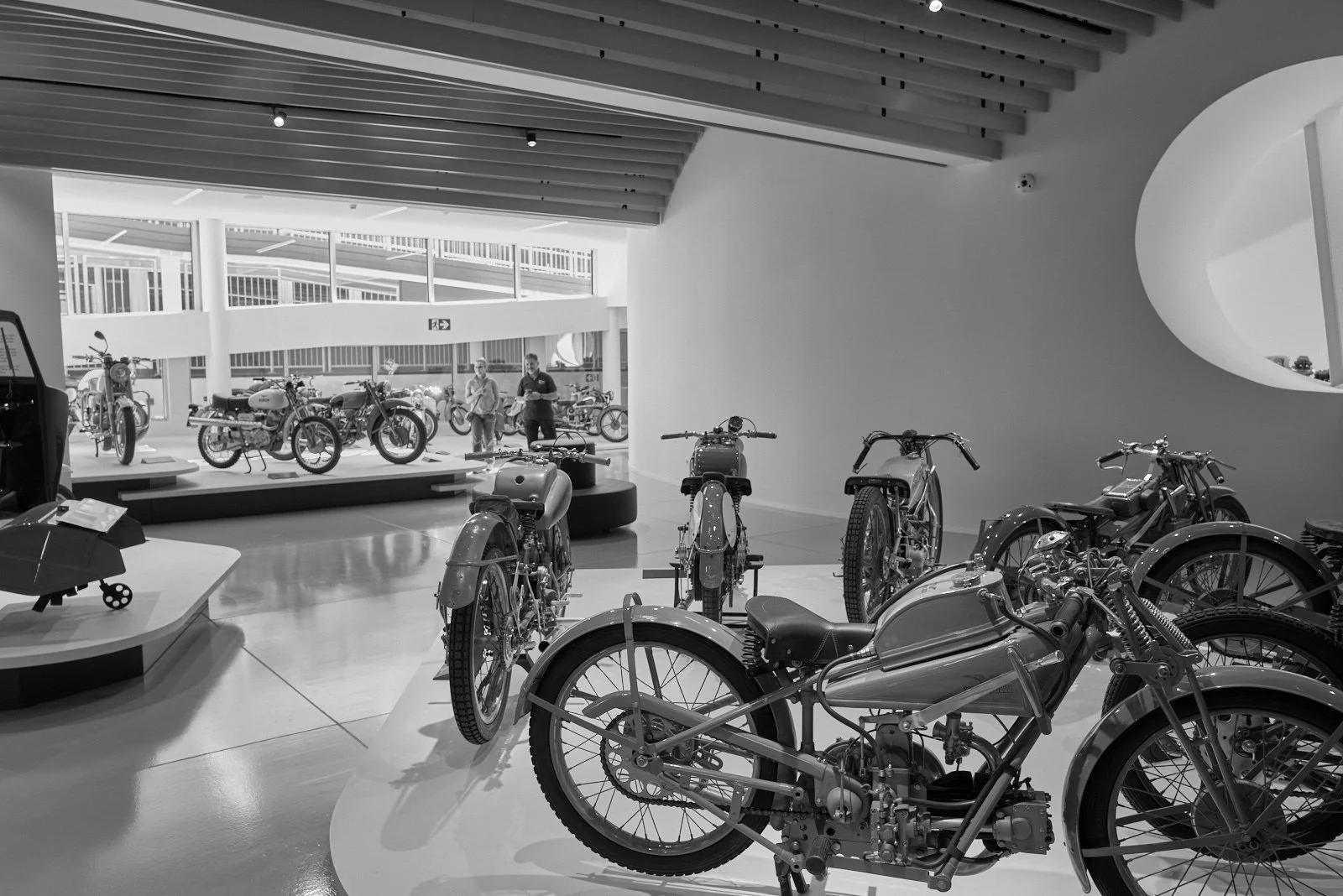
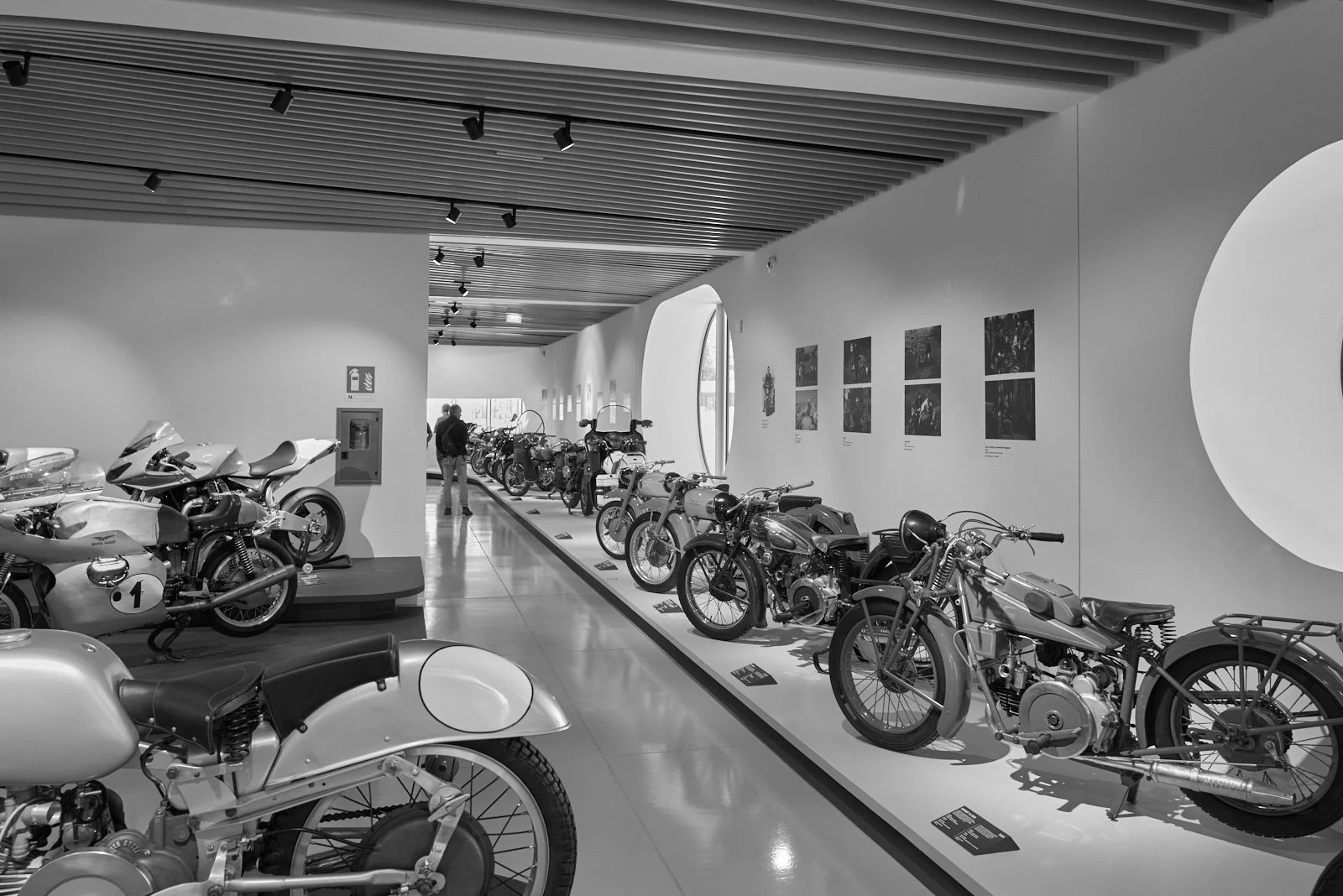
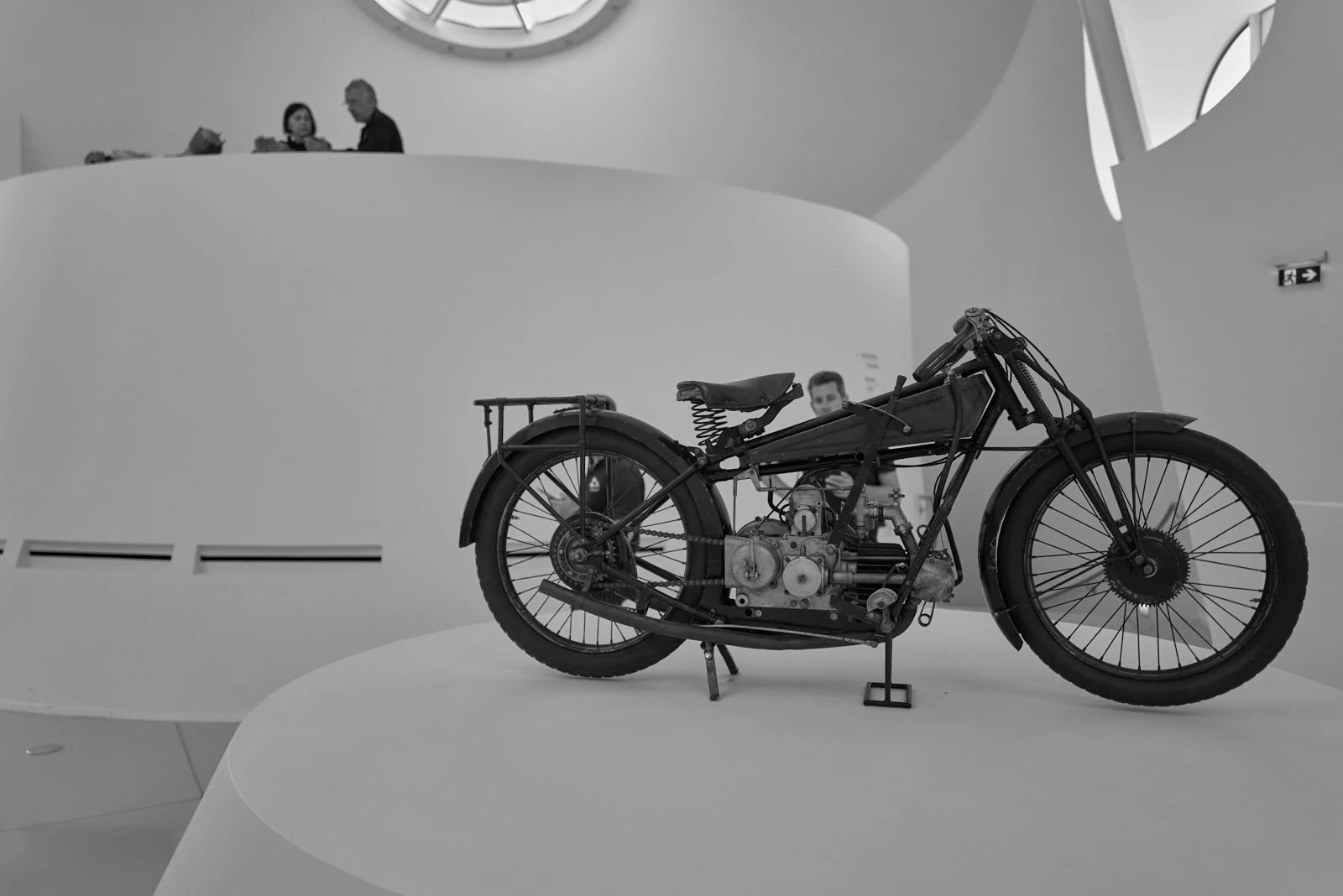
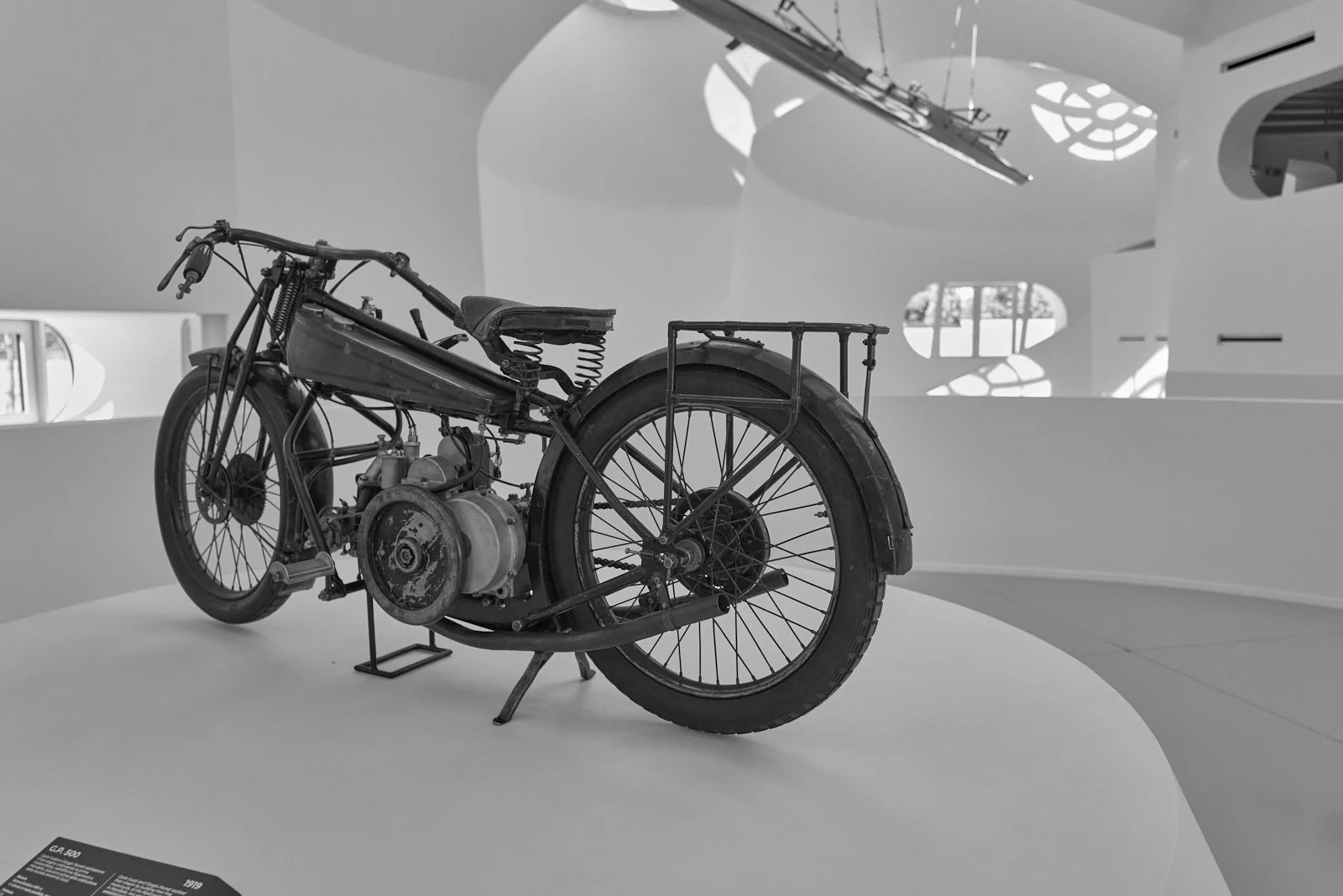
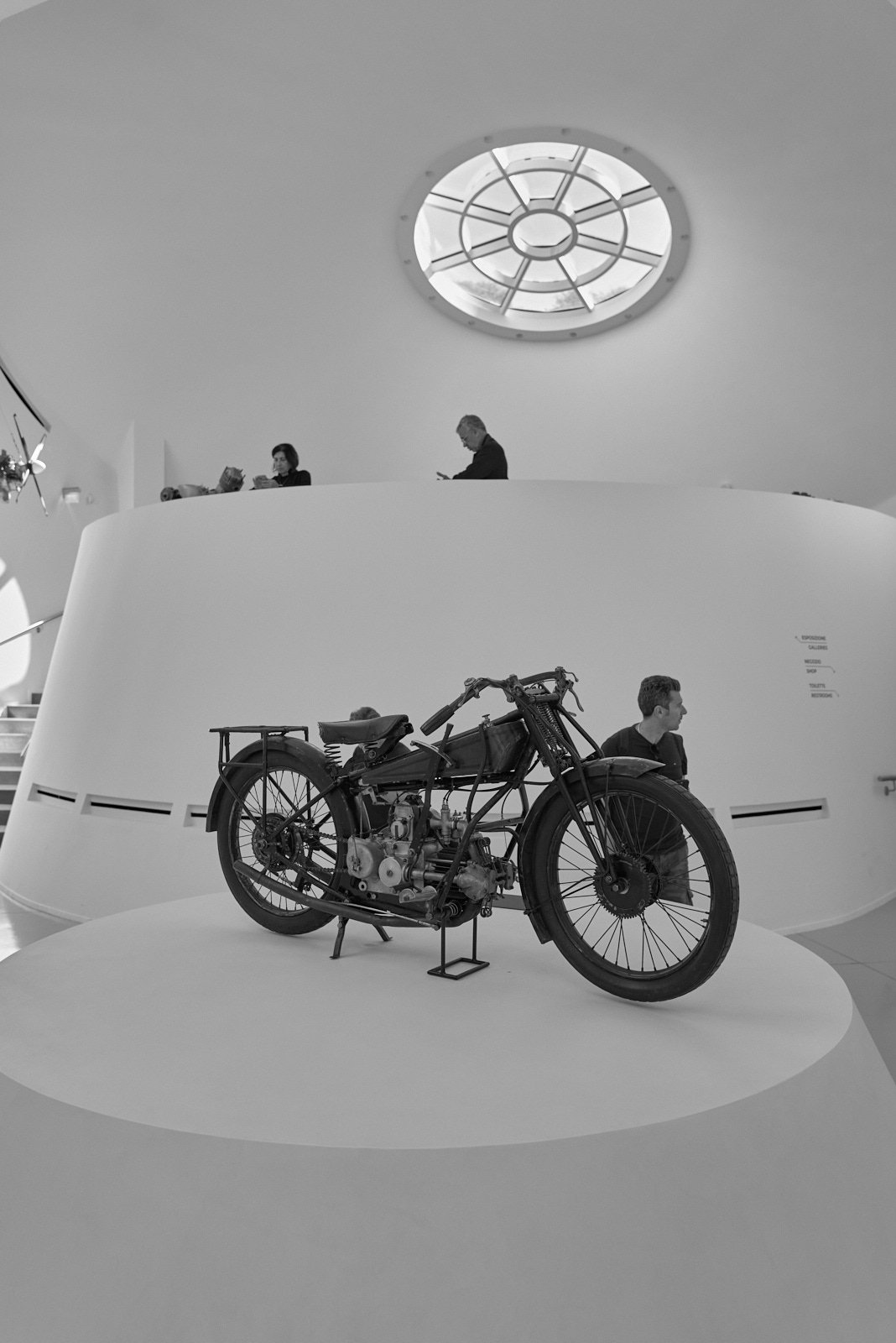
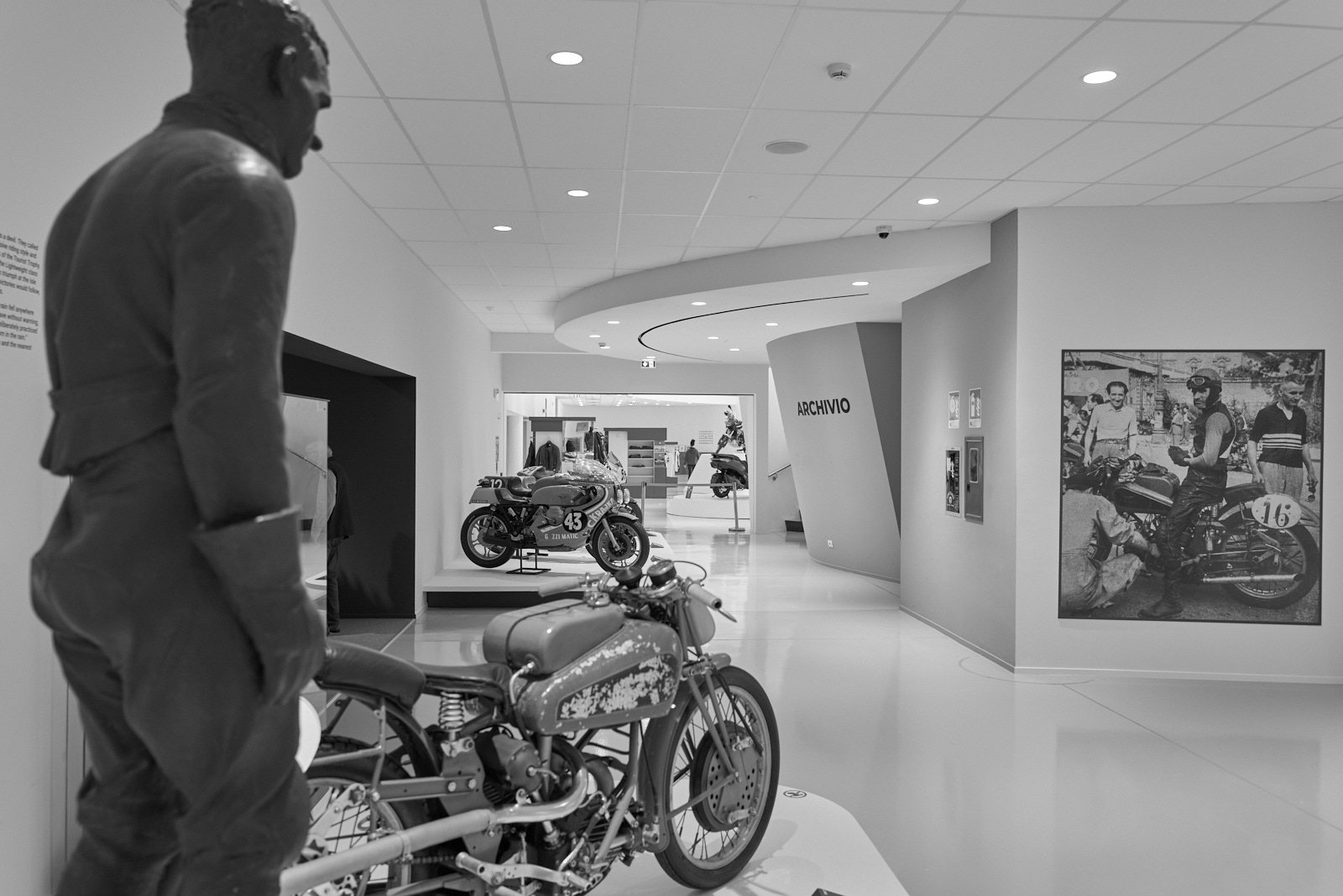
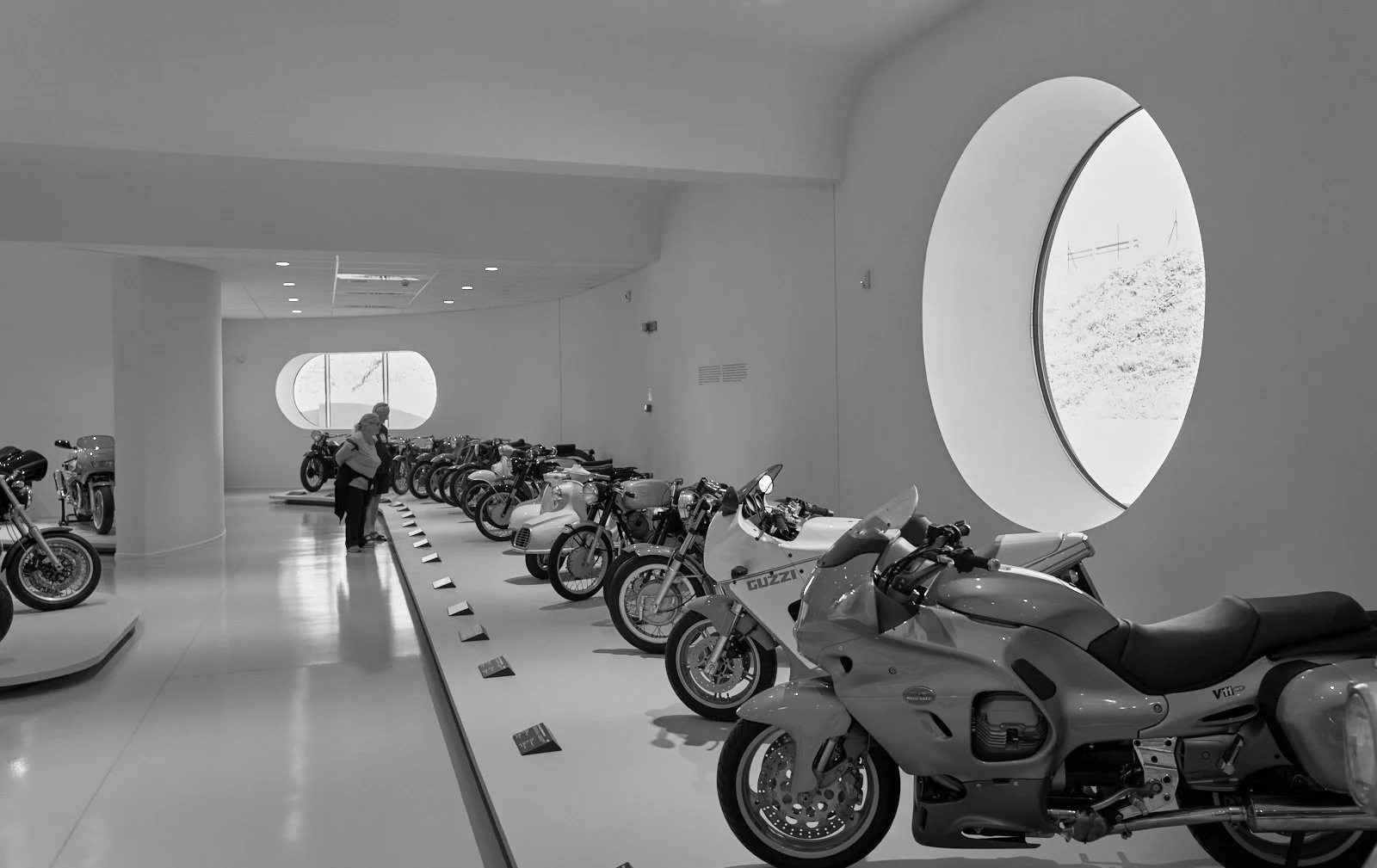
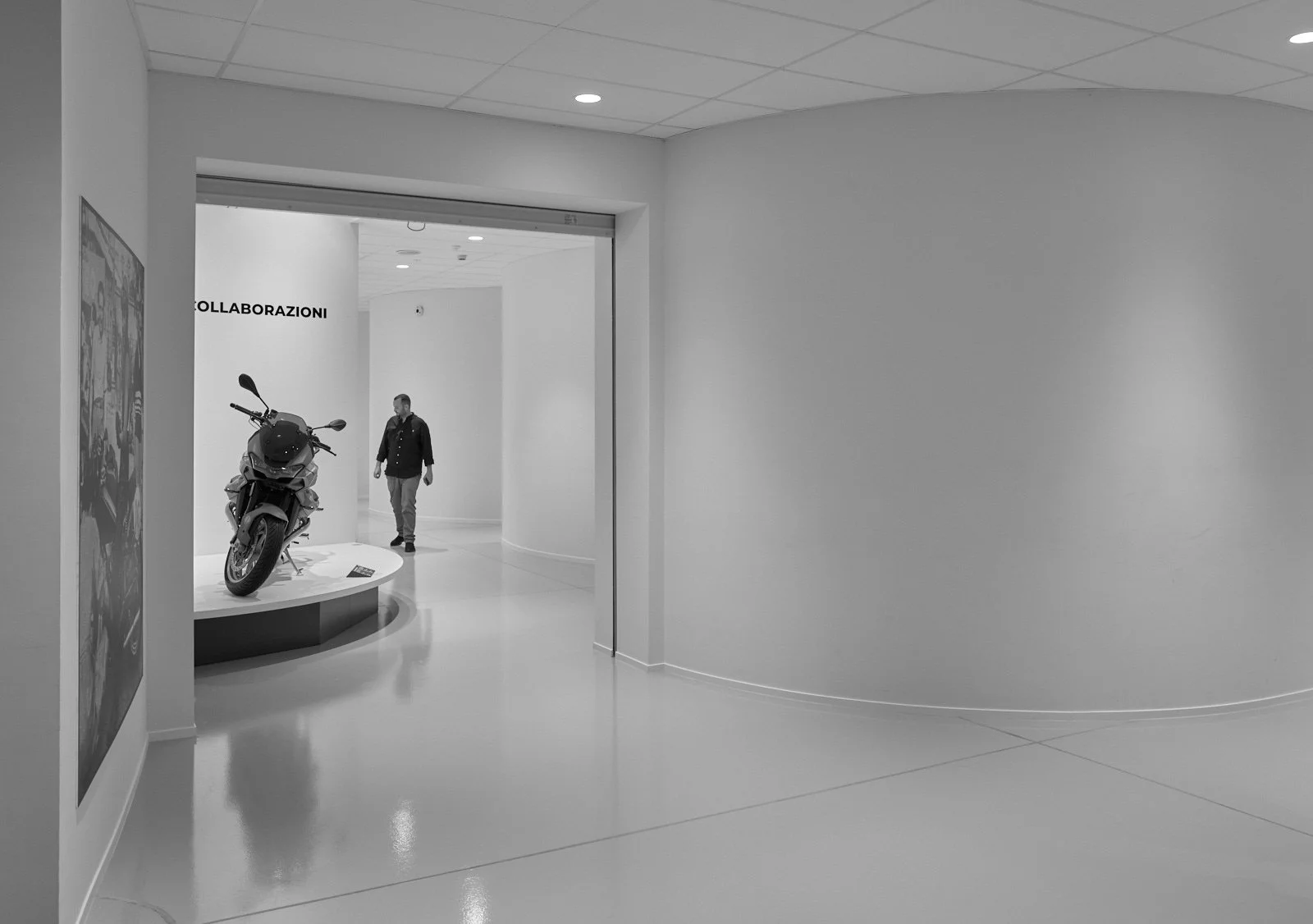
The new museum collection brings together more than 160 restored motorcycles, from the early G.P. prototype to contemporary machines. Its thematic approach connects the bikes with racing, travel, cinema, the arts, and military and police service. It offers a way to read Italian social and industrial history through objects that were designed to move.
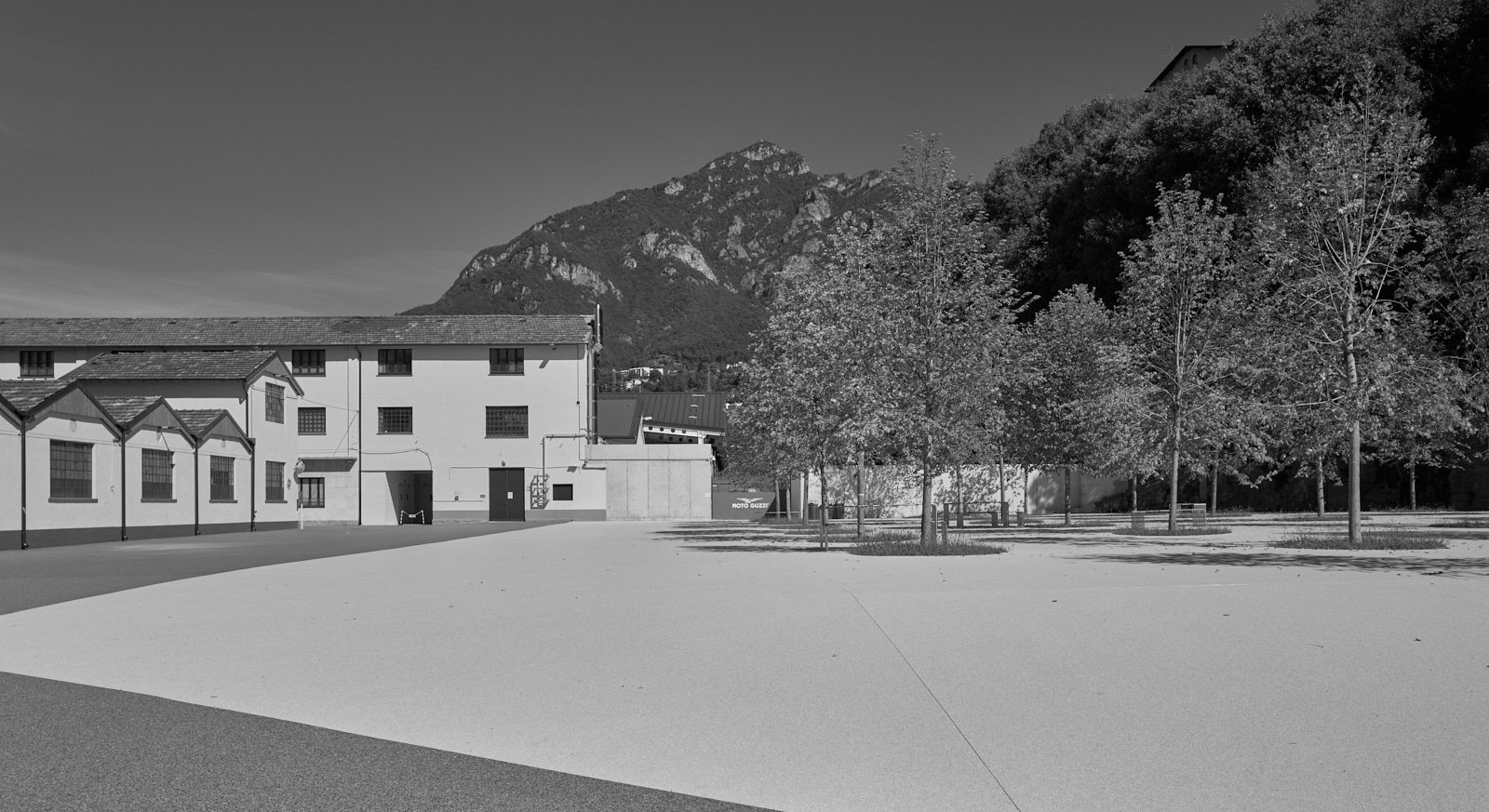
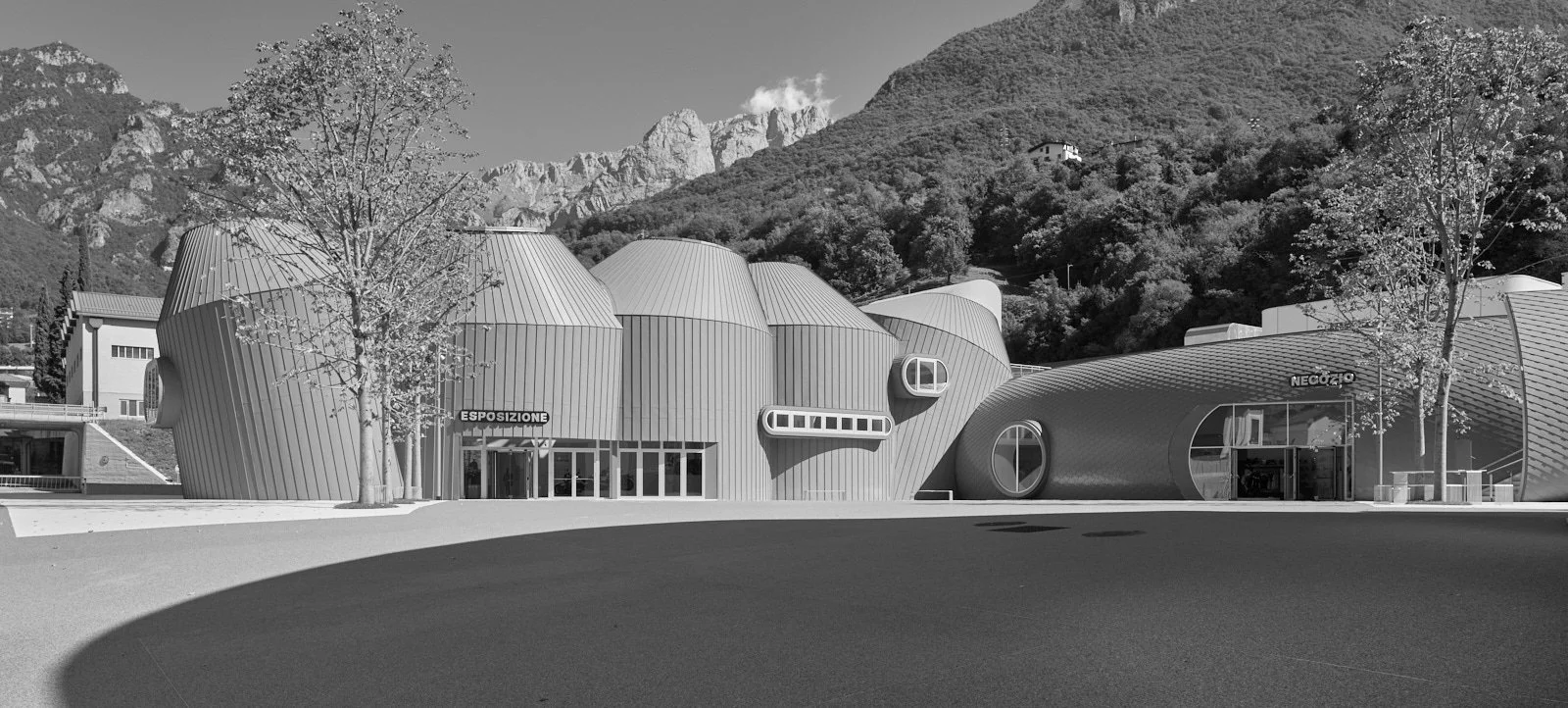
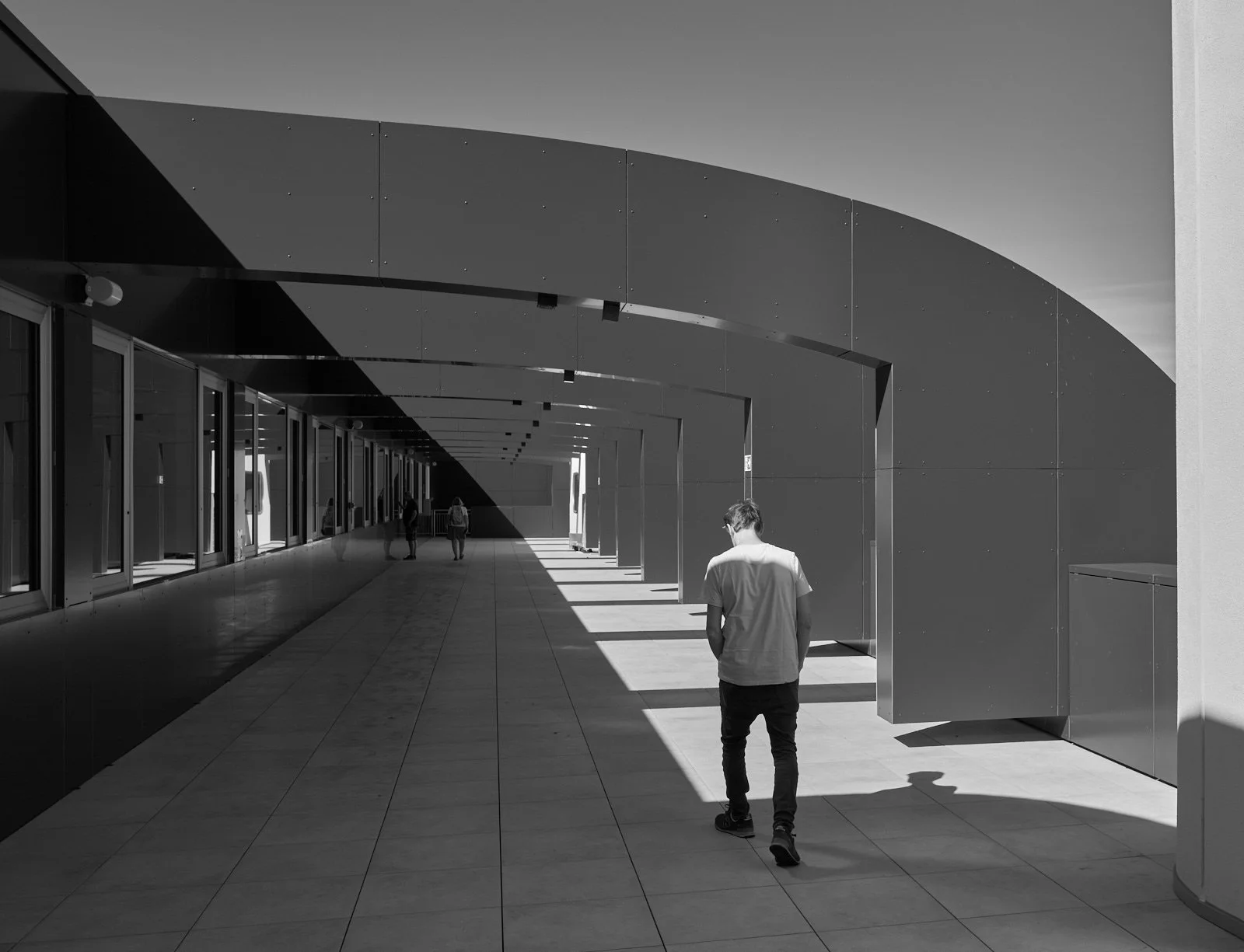
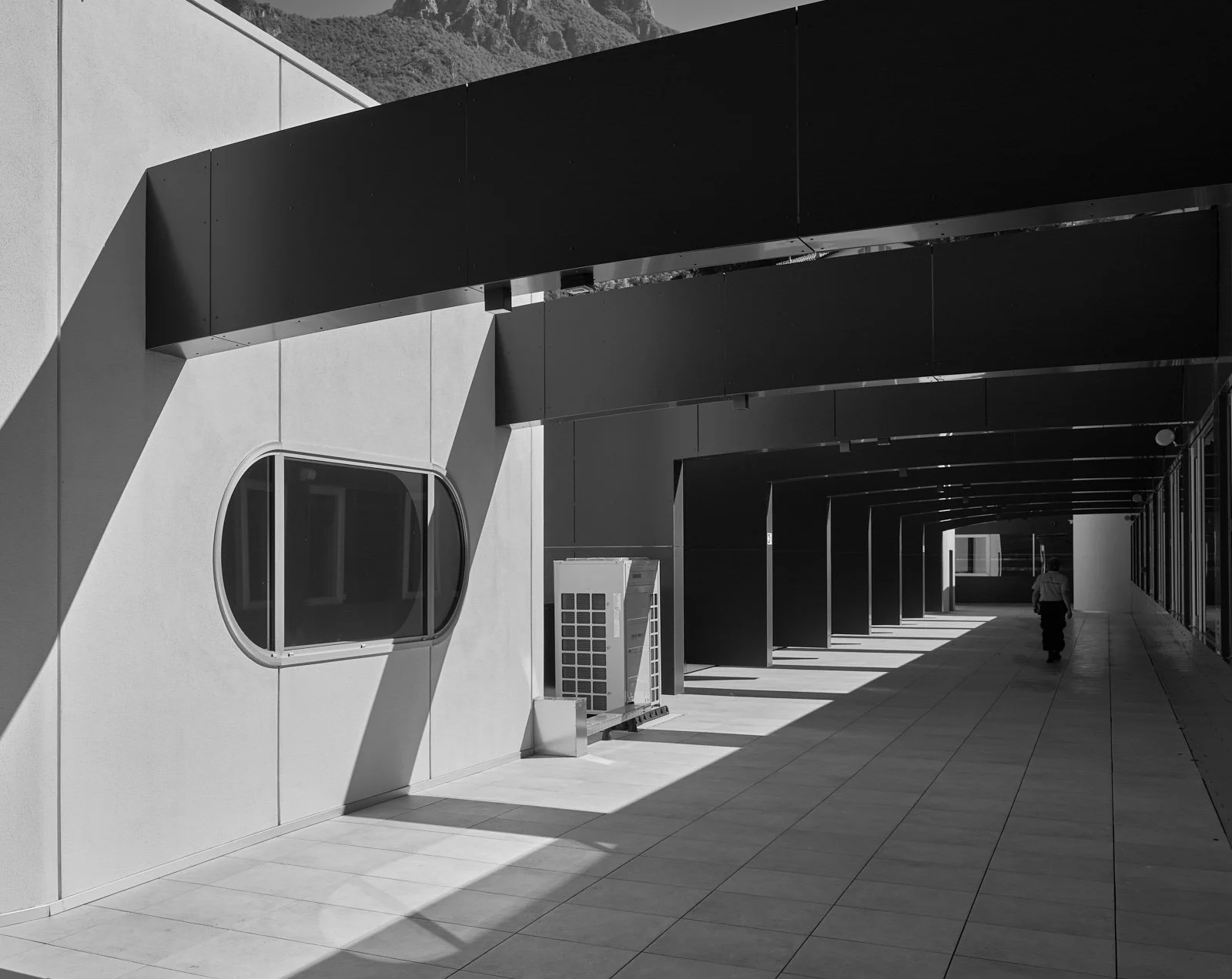
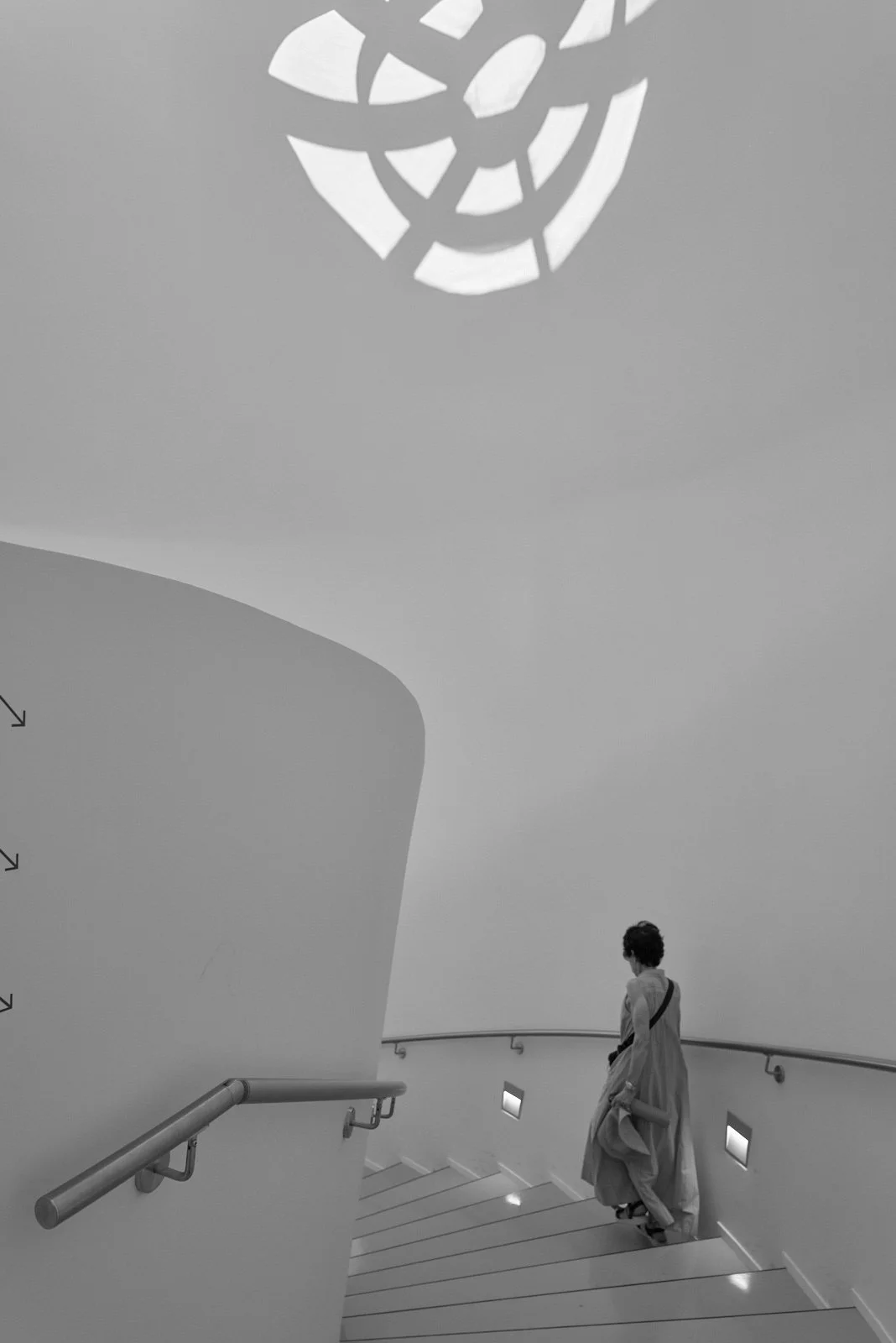
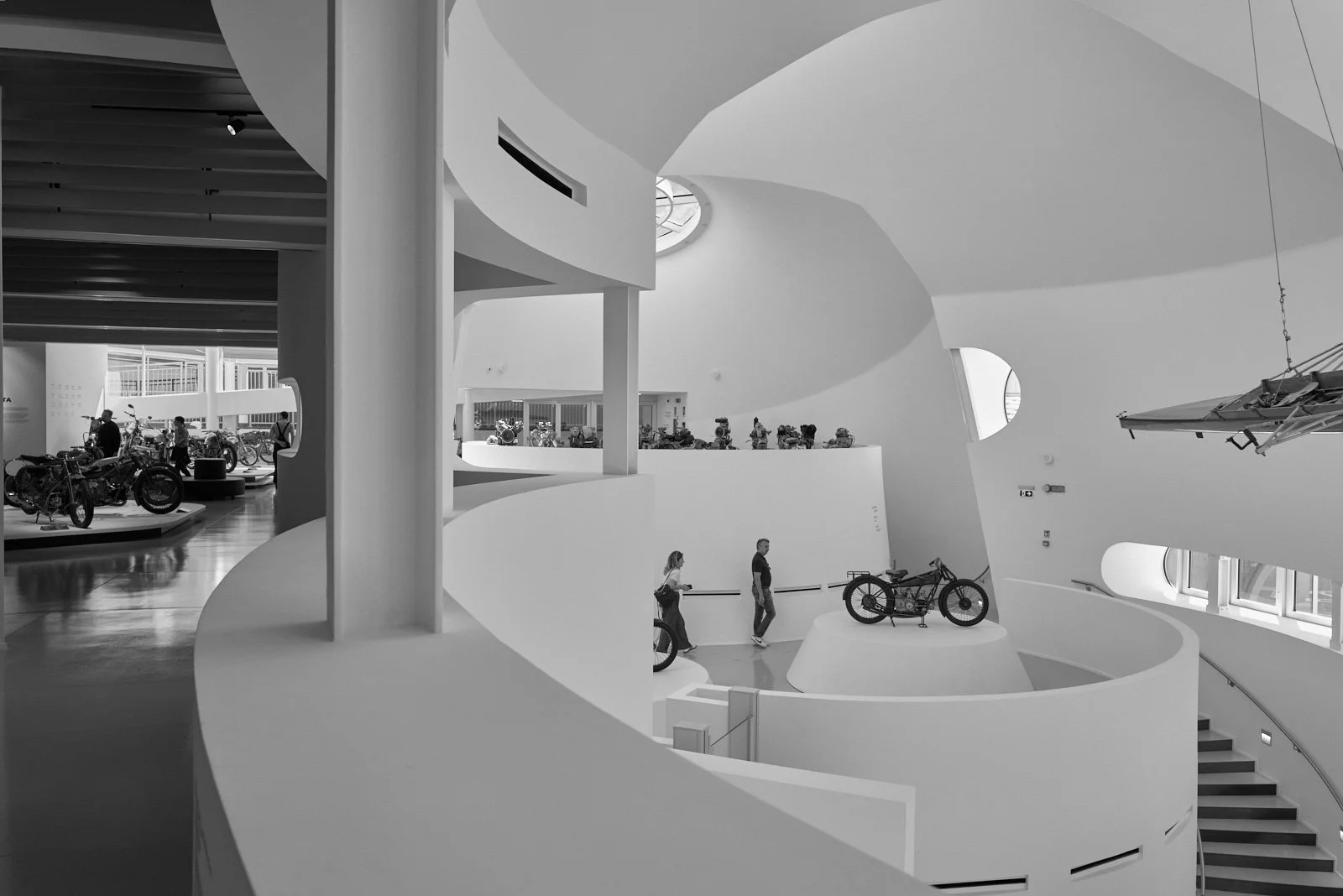
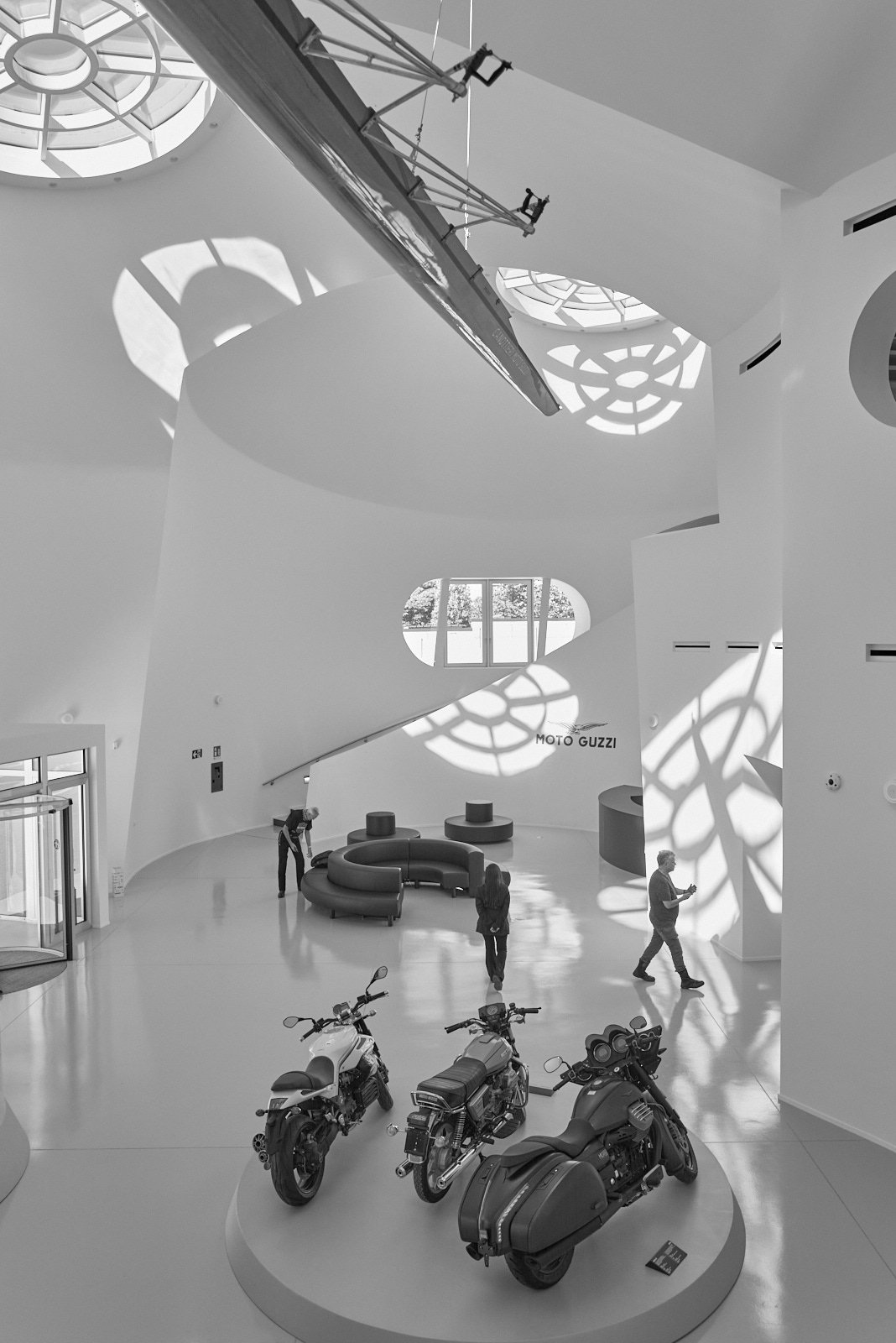
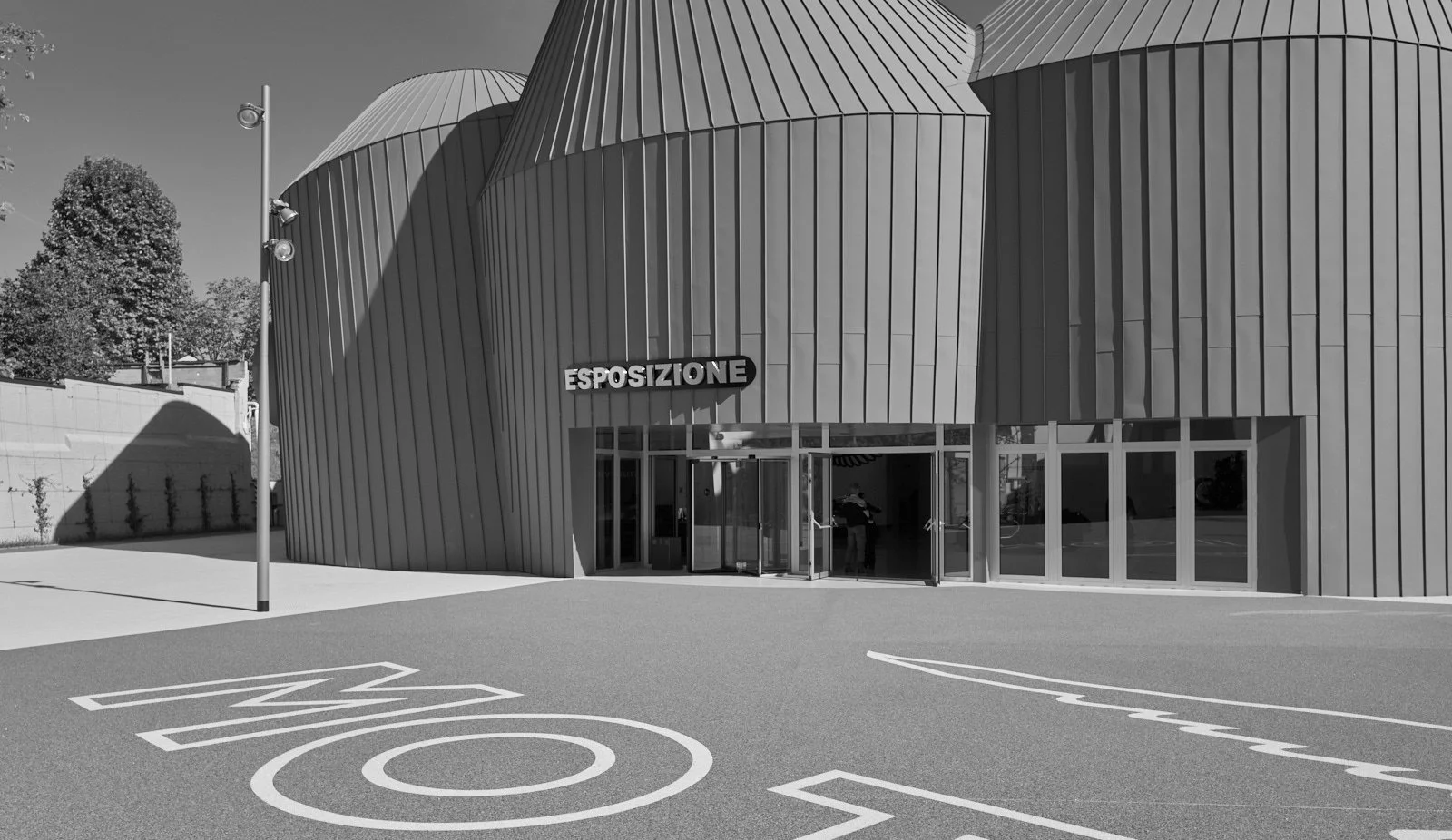
Lynn’s architectural task extended well beyond providing a backdrop for that collection. His practice combines converted historic factory buildings with new construction, including the museum, showroom, visitor facilities, and café, alongside an engine plant, expanded logistics facilities, offices, and an auditorium. This architectural project operates at the scale of a working industrial neighbourhood.
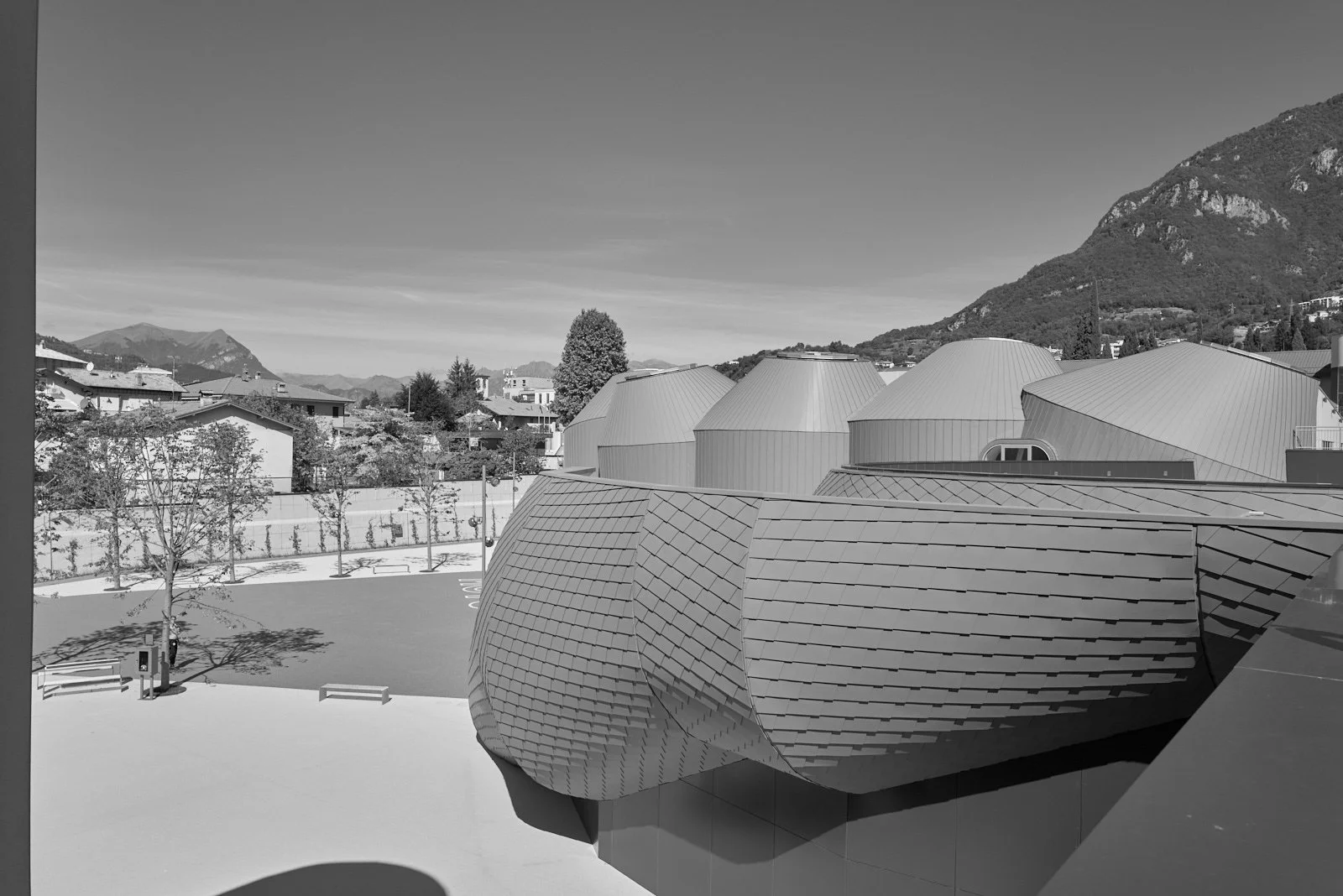
The museum’s metallic surfaces and forms deliberately draw on the motorcycles themselves. That is an appropriate starting point: a motorcycle is an intensely architectural object, its structure, mechanical systems and outer surfaces compressed into a small, legible whole. Translating that relationship into buildings offers more interesting possibilities than simply applying a company logo to a façade.
A company museum inevitably presents a selective account of its past. The harder test is whether its architecture makes that history understandable and gives it a useful relationship with the present. At Mandello, the continued presence of manufacturing provides a convincing foundation. The motorcycles on display have finished their journeys. Beyond them, others are still being built.
All photographs © Industryous photography - 2026