Photographing the life of a Toronto public space.
Public space is often photographed as an arrangement of forms: paving, planting, furniture, edges and carefully composed details. Those images have value, but they tell only part of the story.
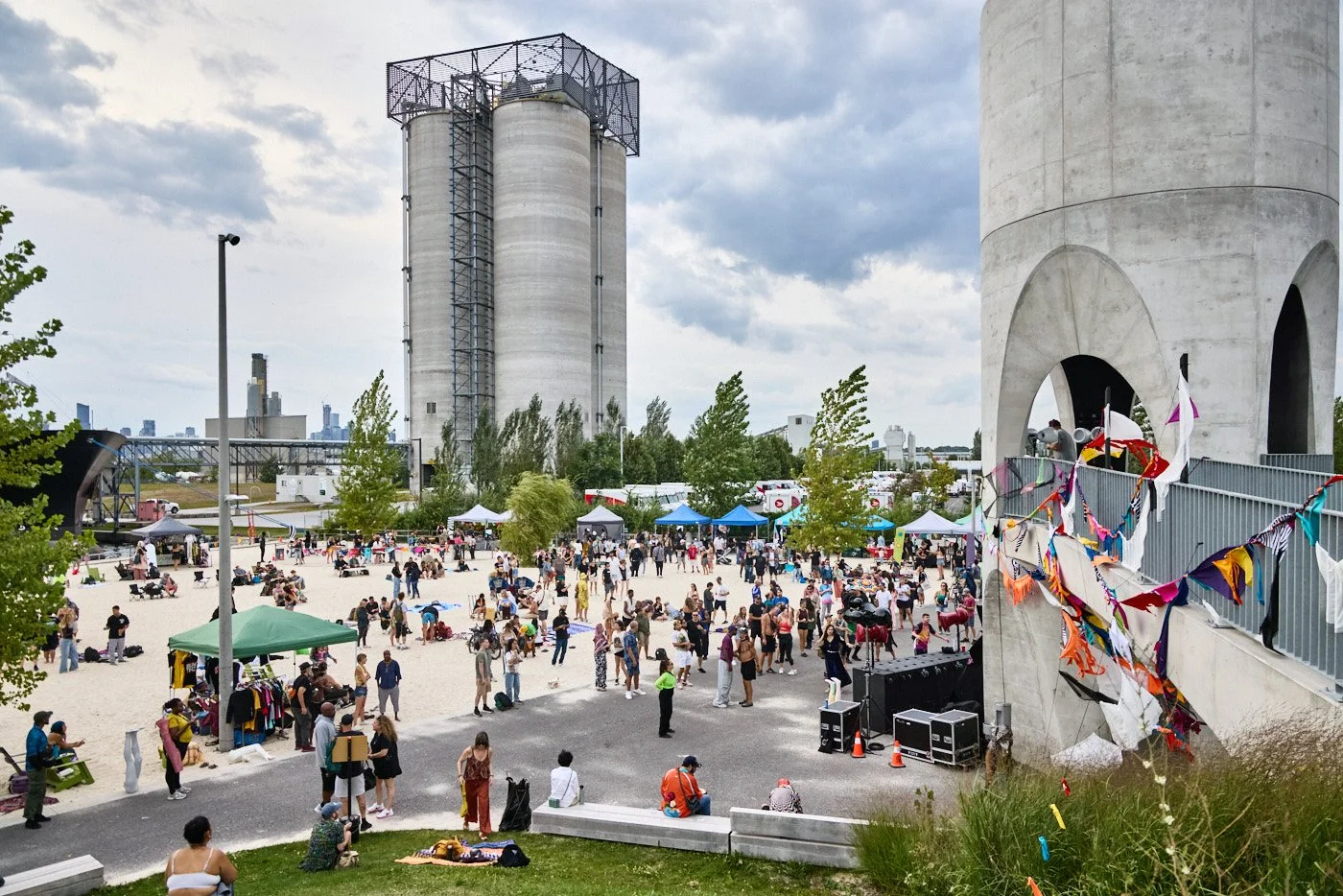
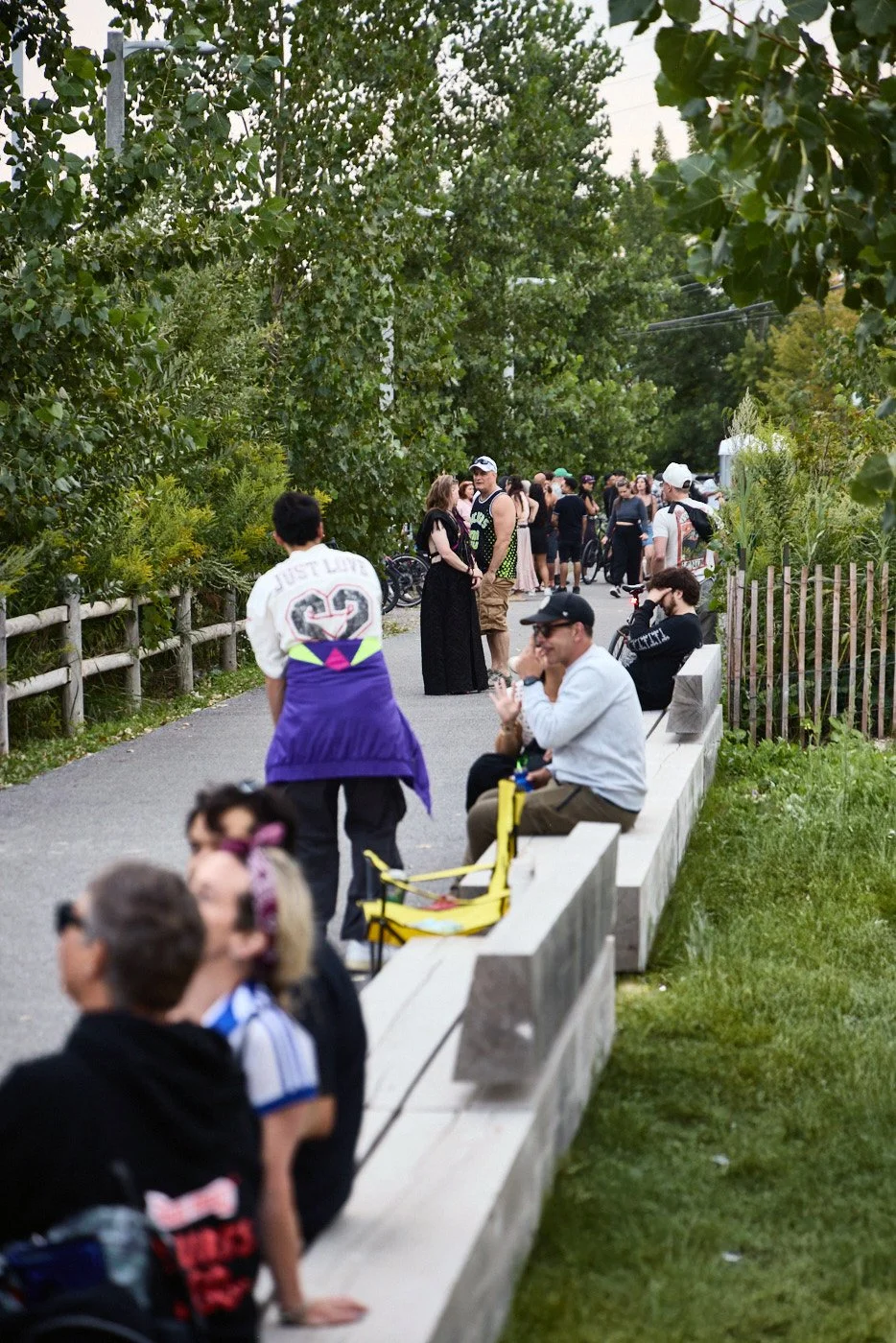
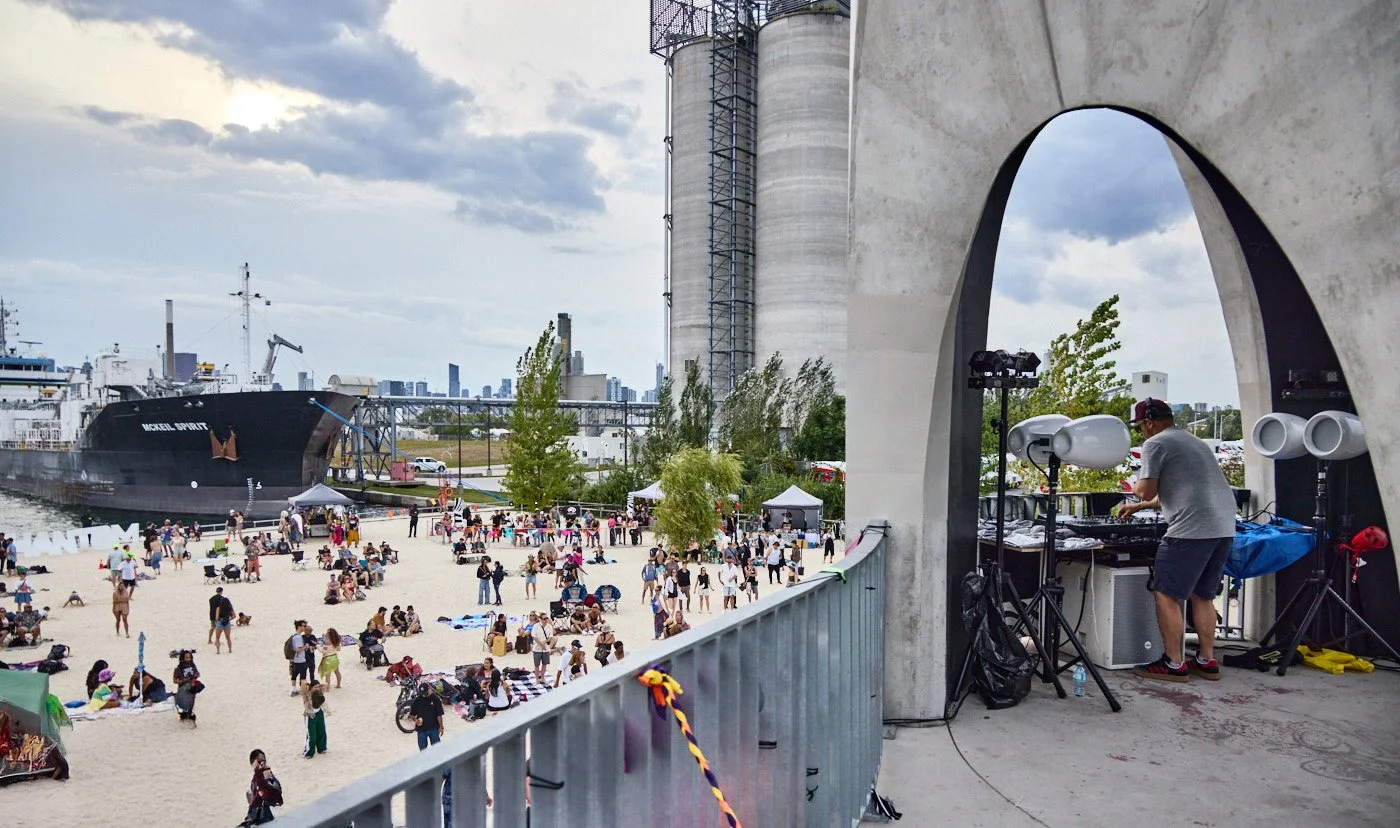
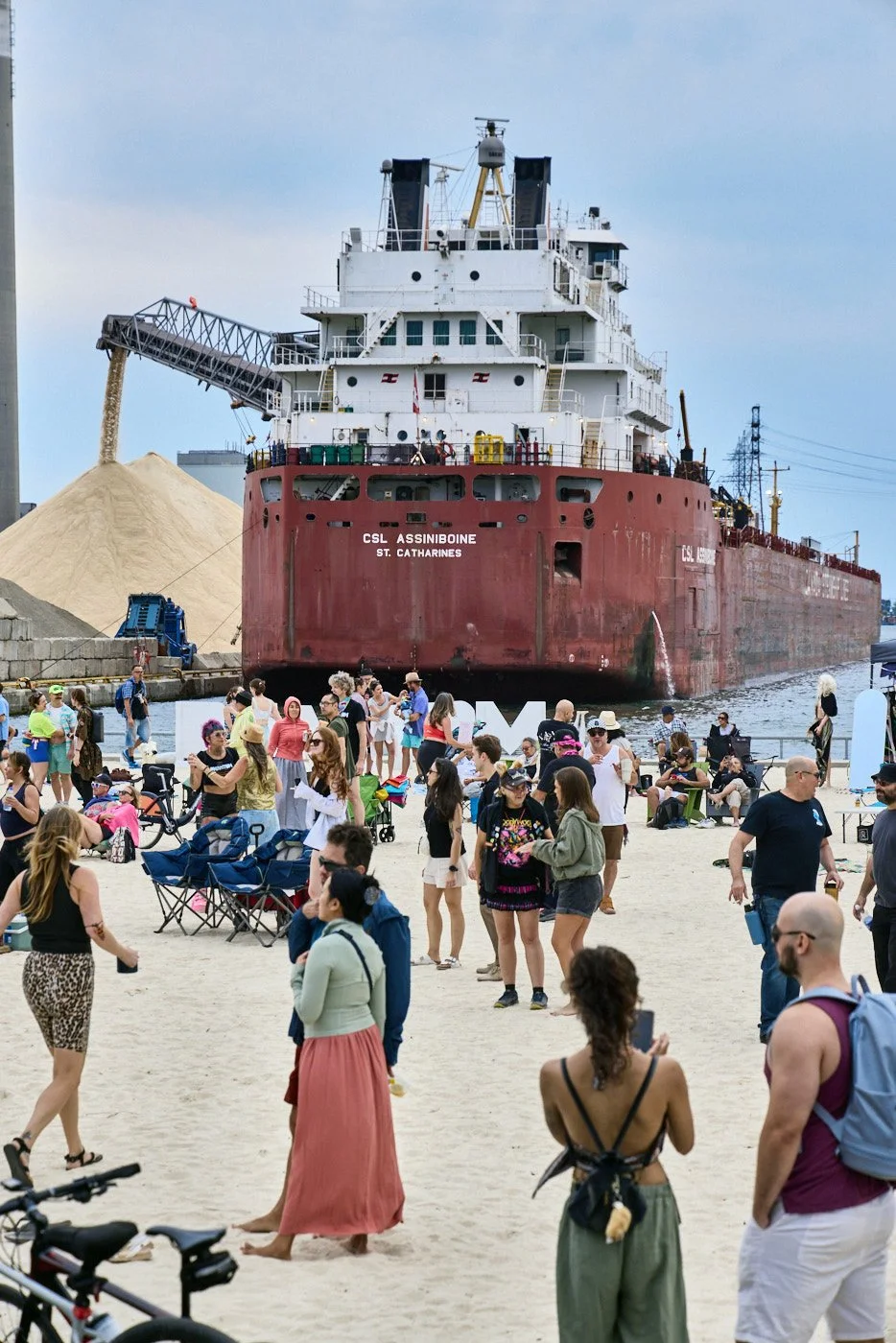
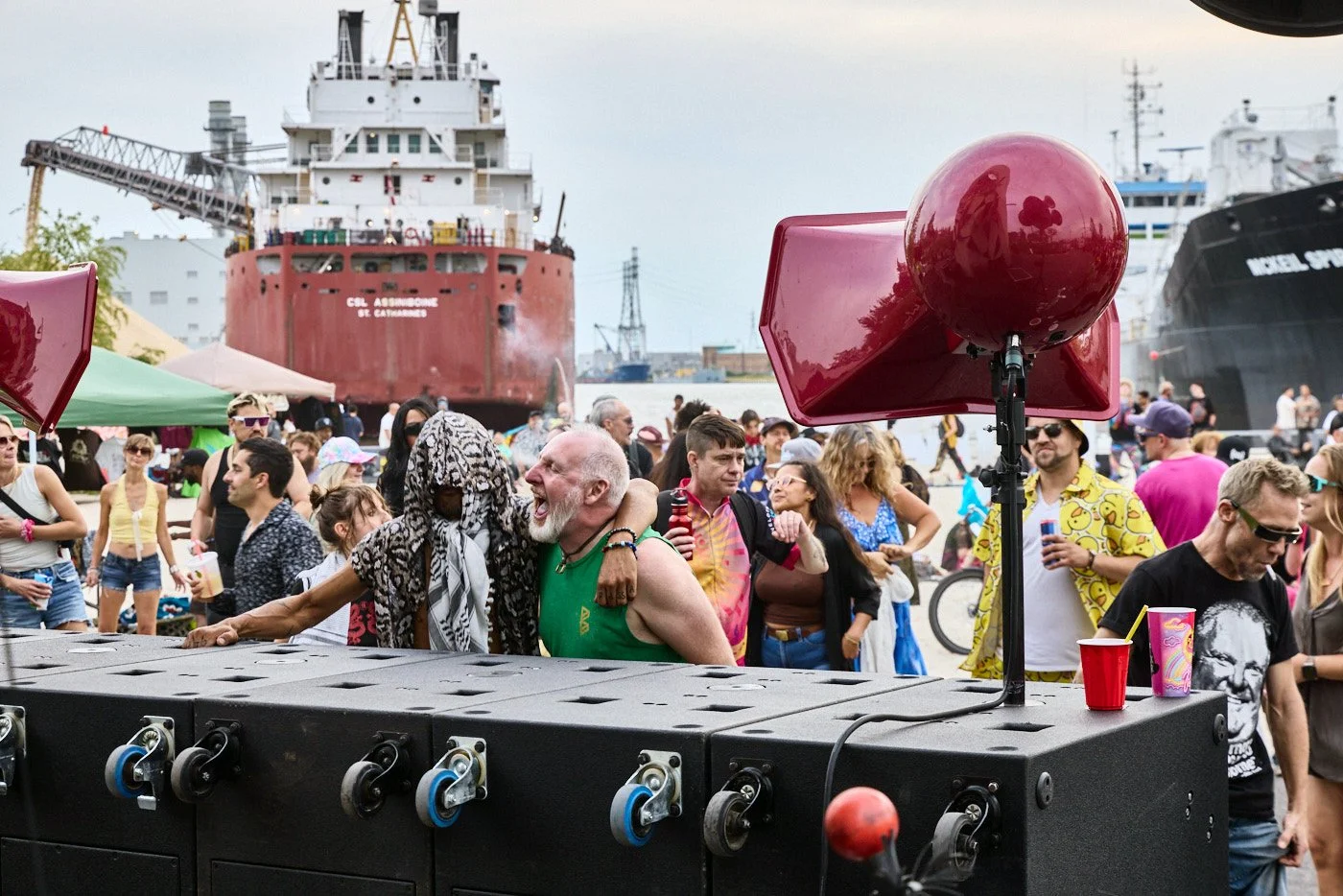
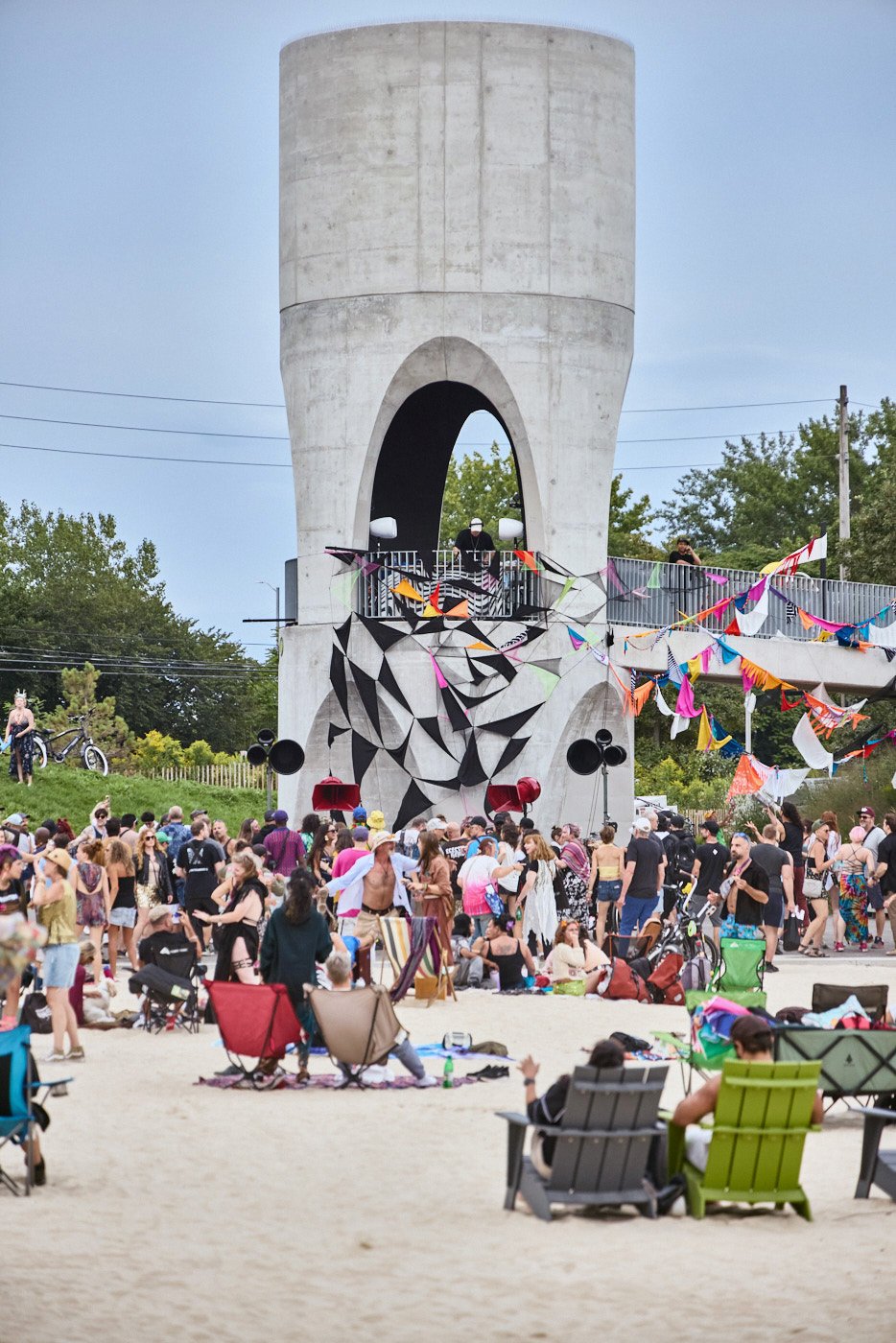
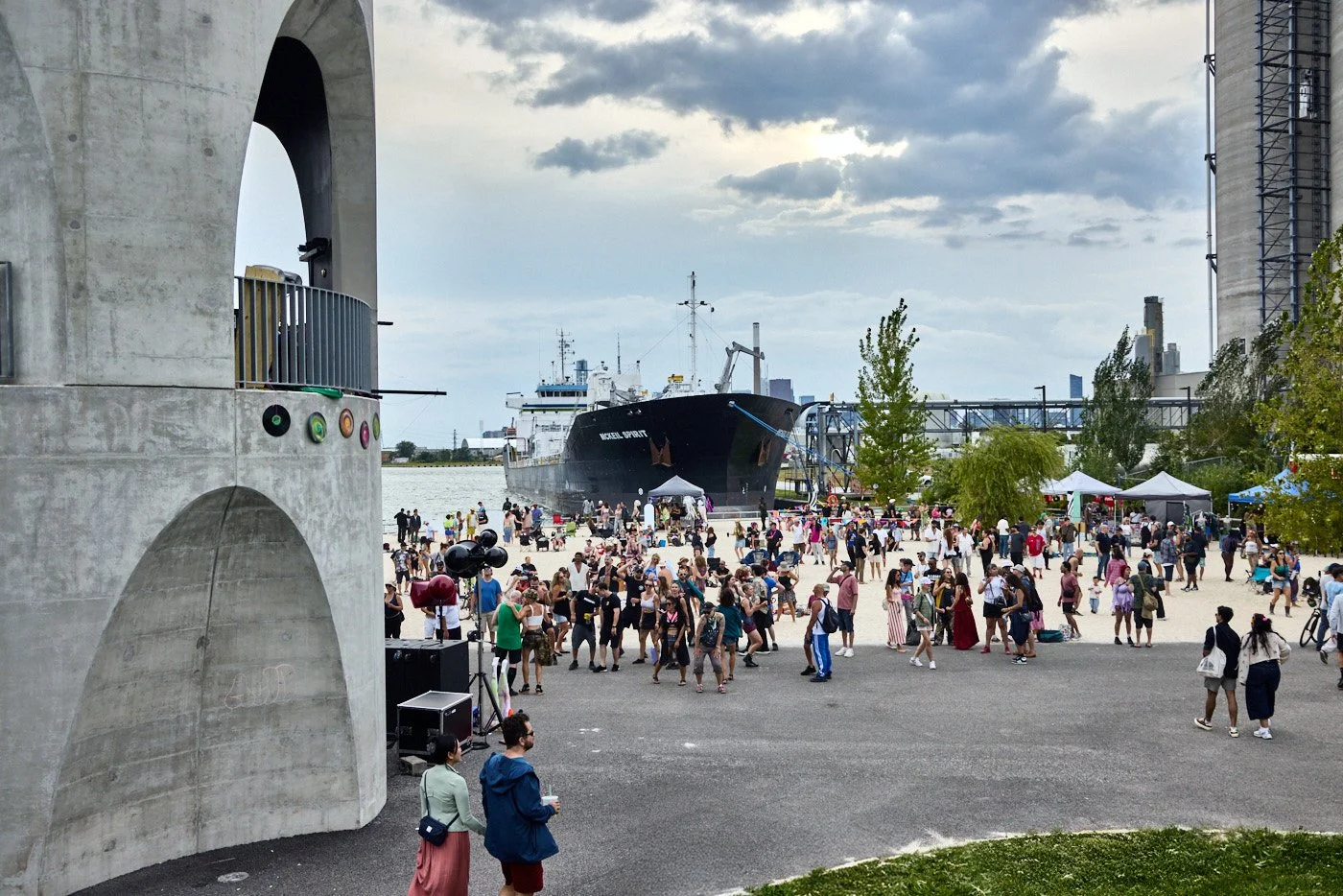
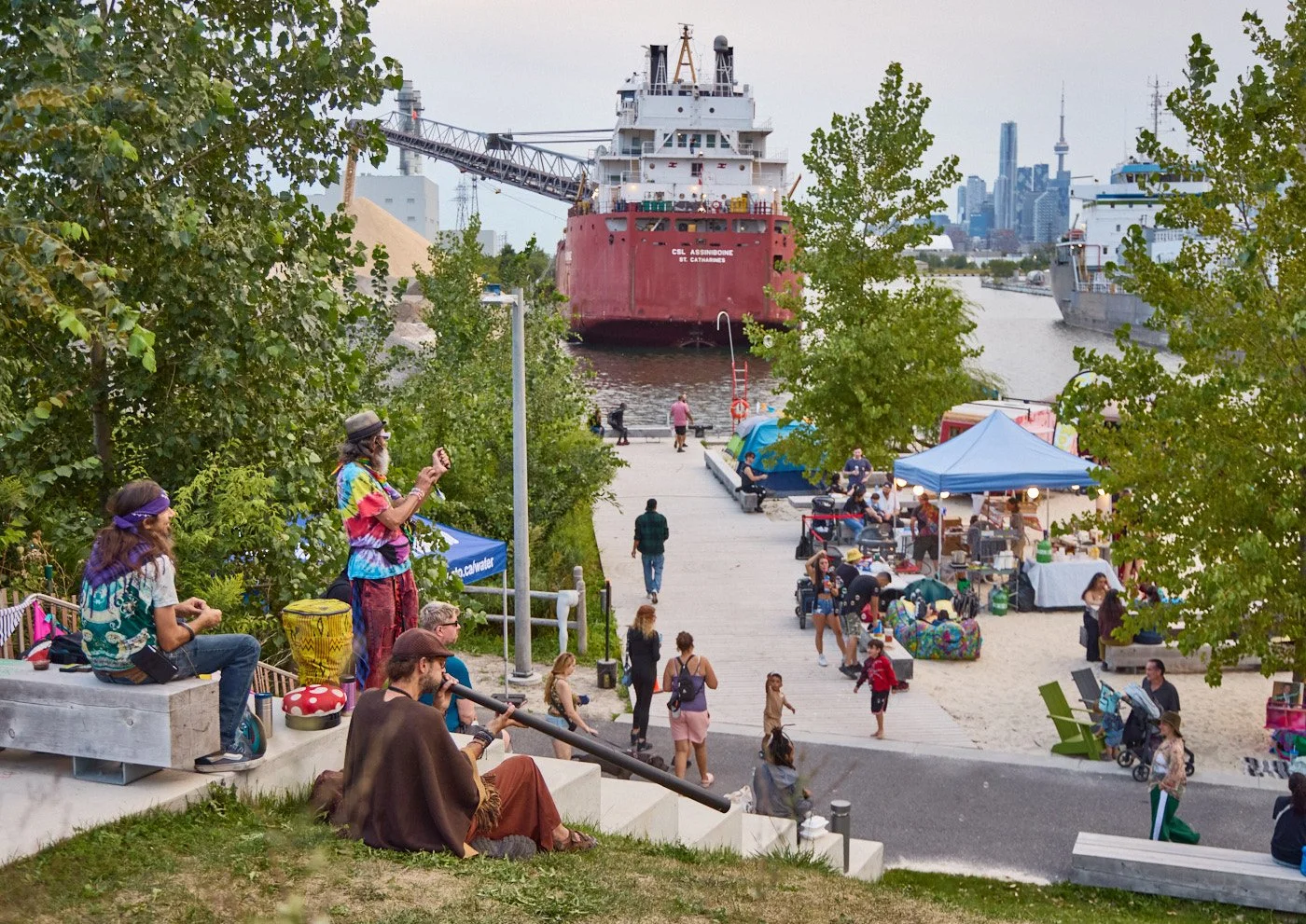
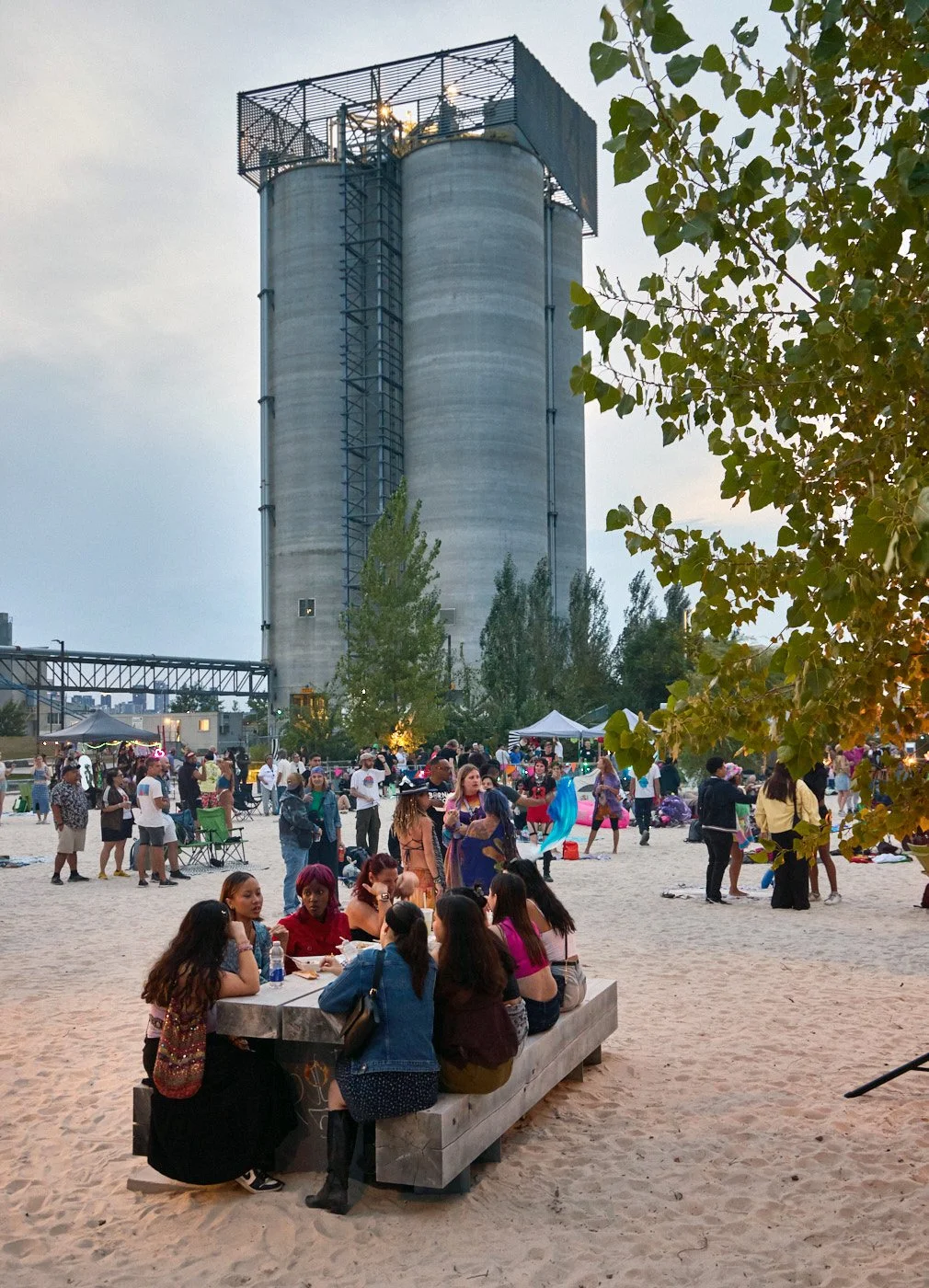
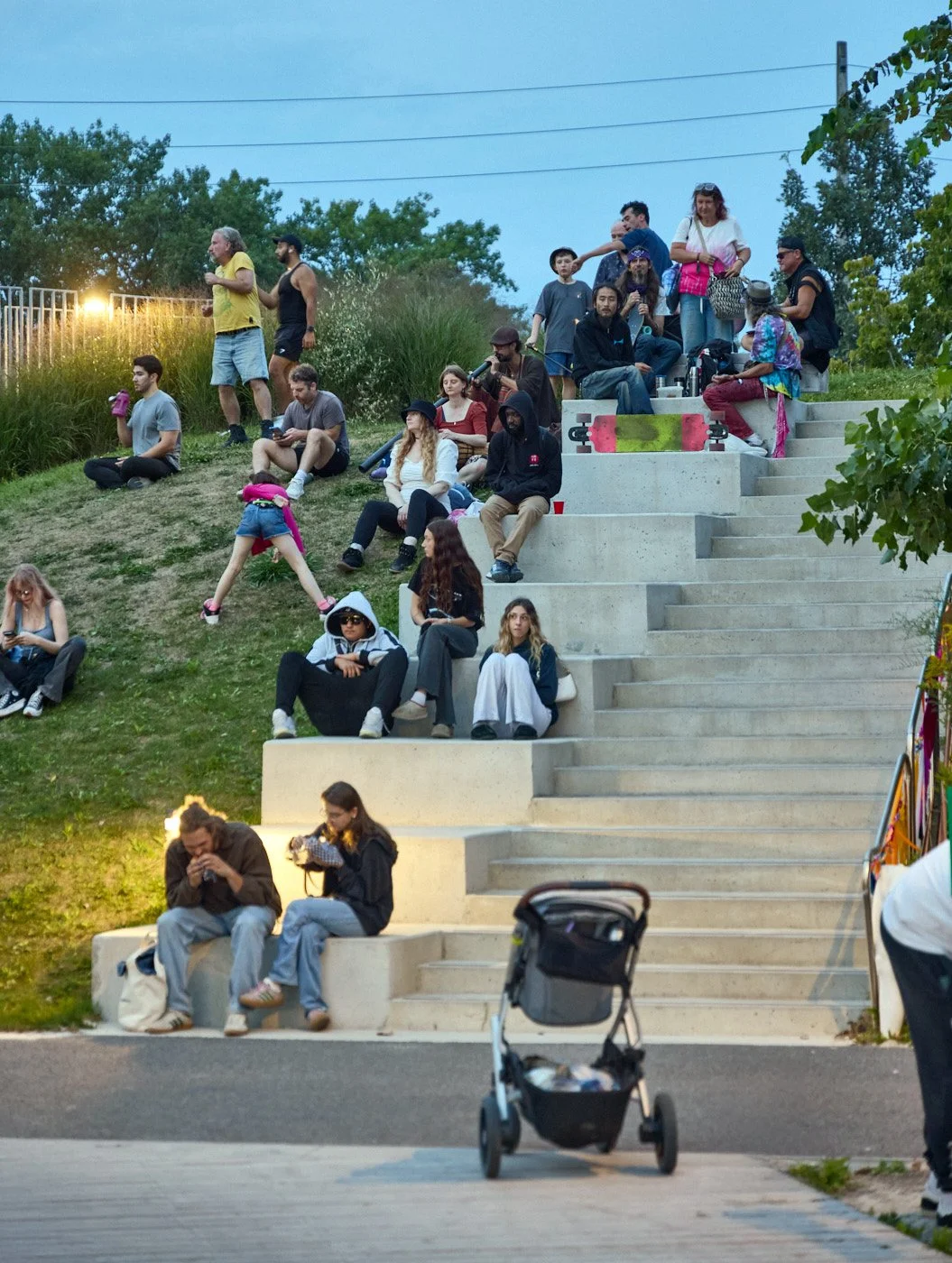
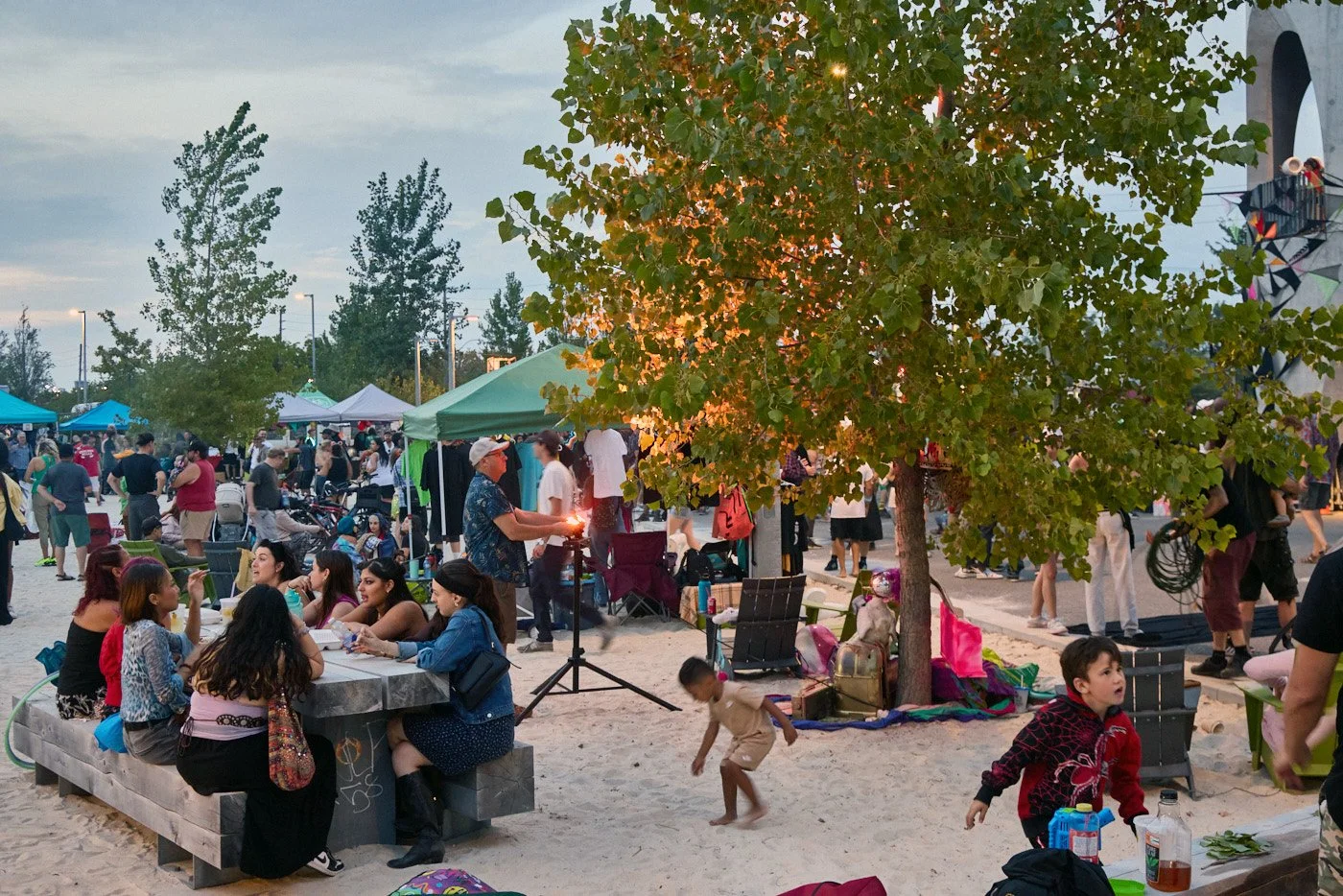
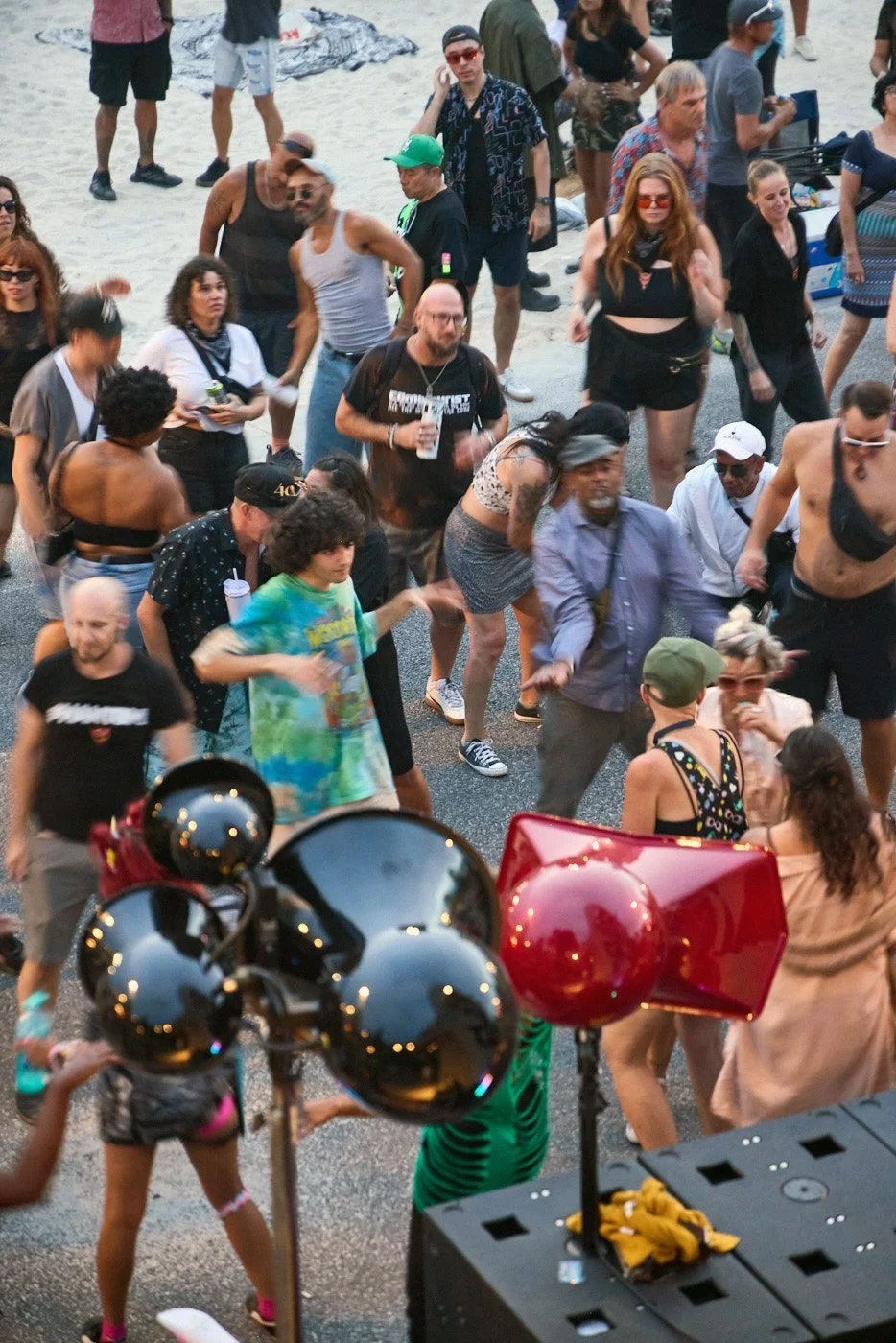
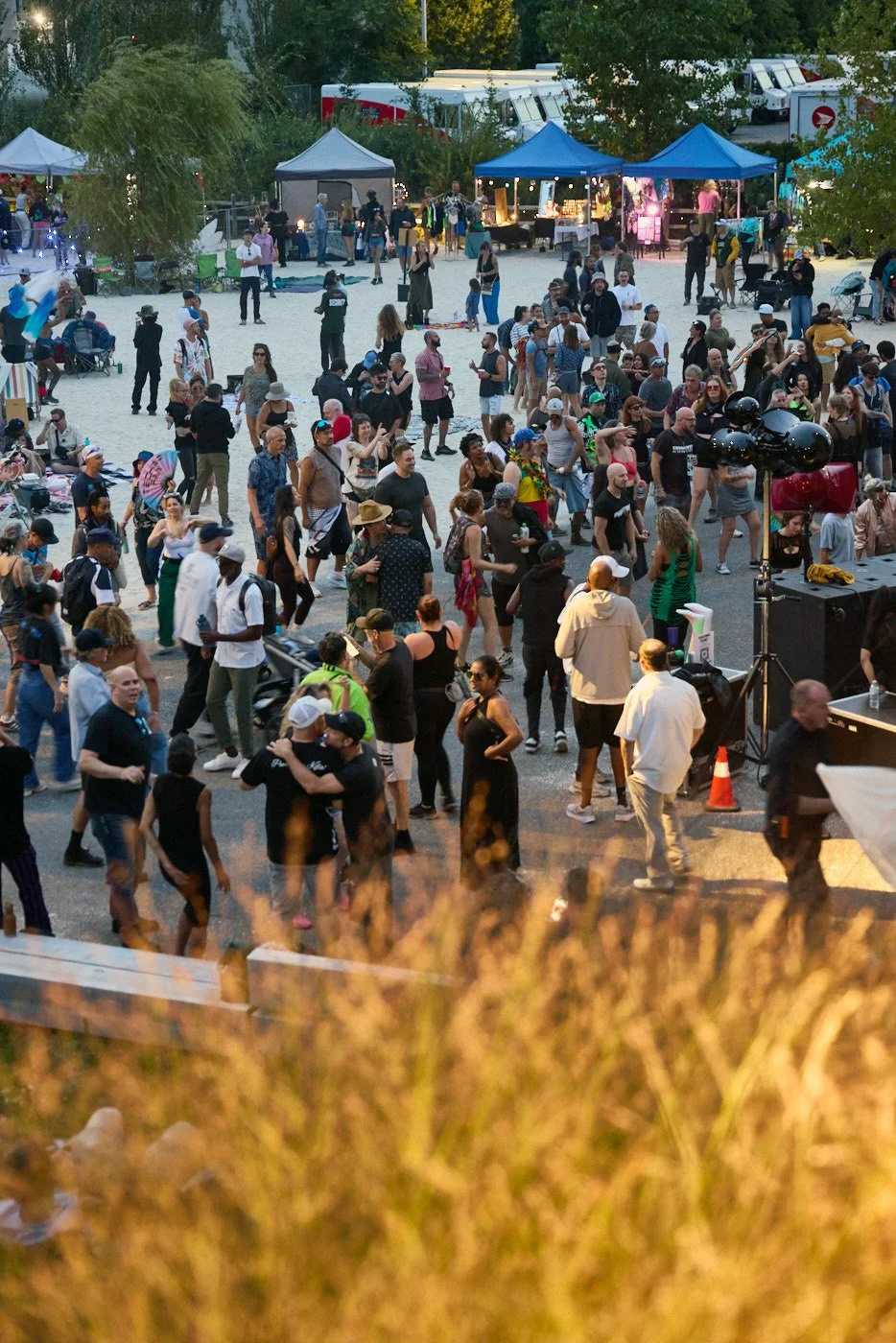
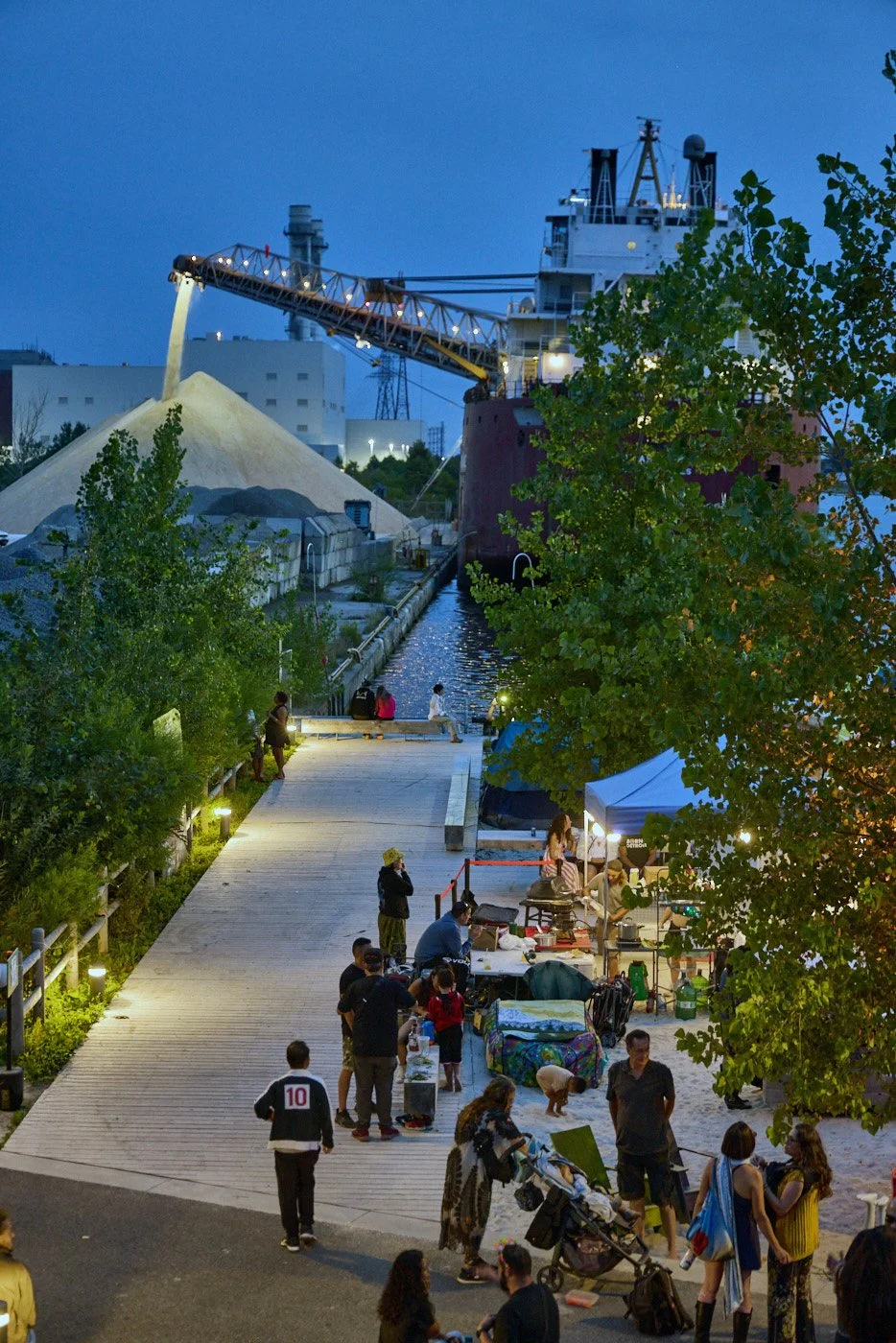
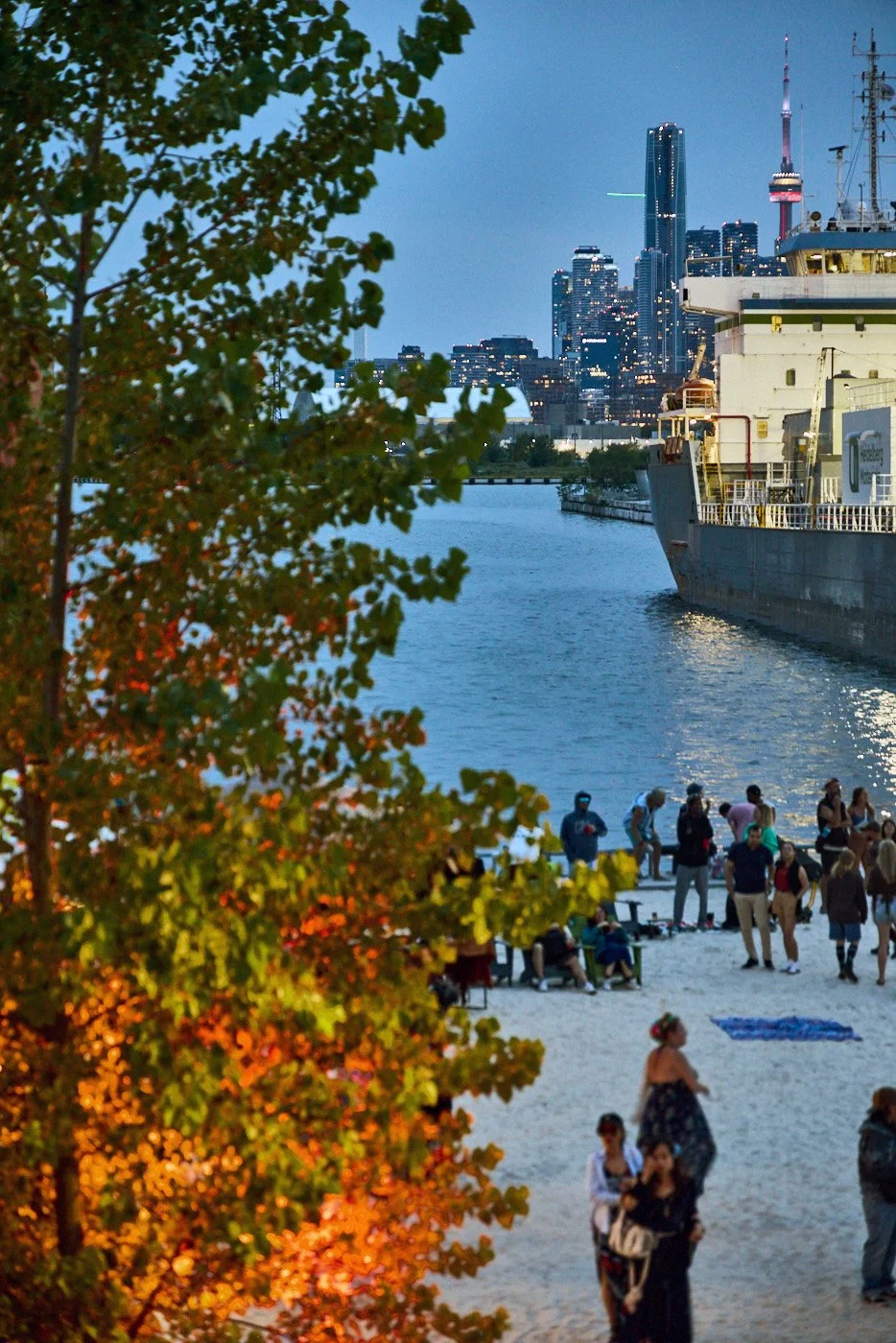
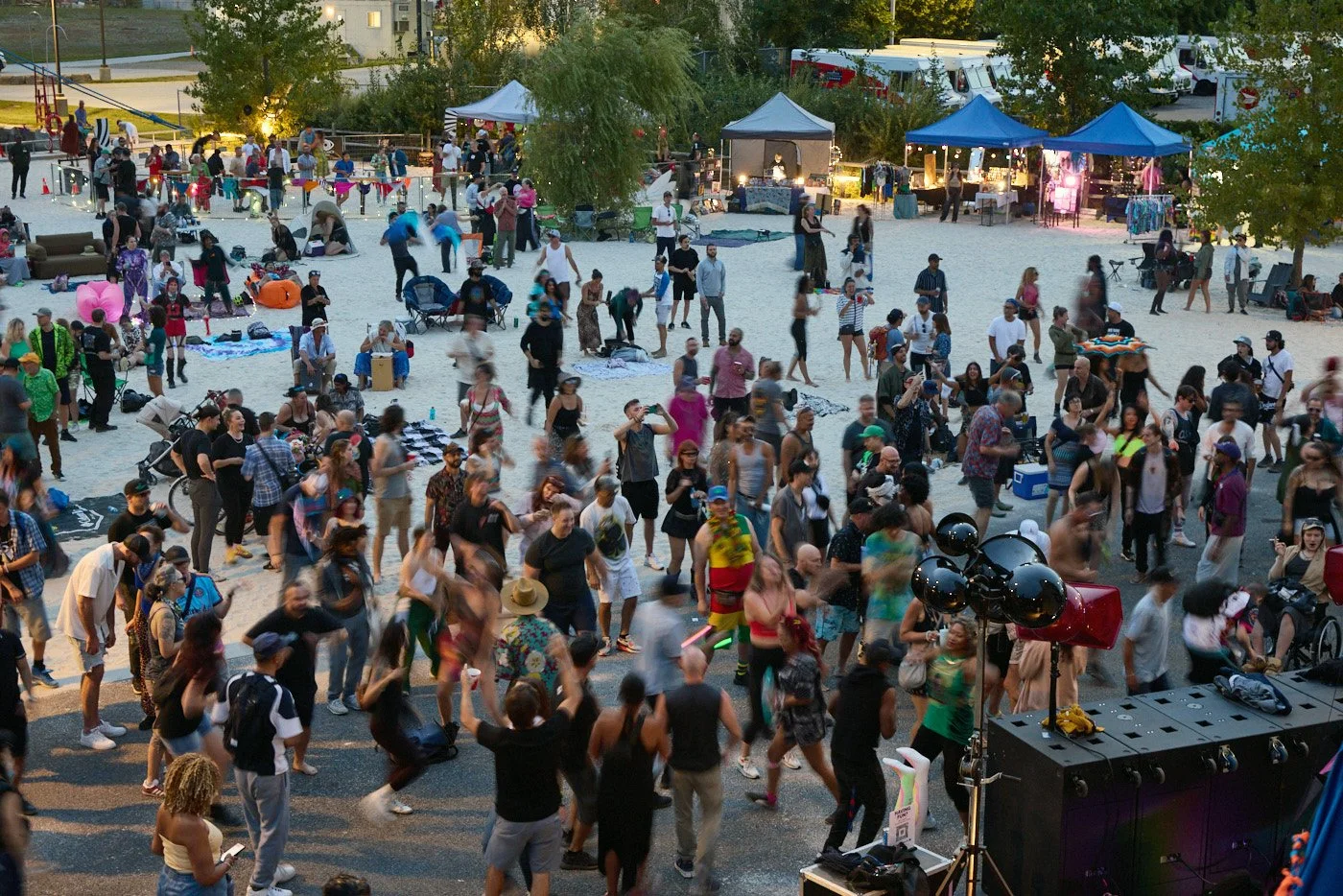
When I recently photographed Leslie Lookout Park, designed by CCxA Landscape Architects, during PhantomFest, I took a different approach. Rather than documenting the park as a pristine collection of design elements, I focused on what happened when the space was fully occupied. People gathered, moved through the landscape, sat, watched, talked and danced. The event brought an energy to the park that revealed something drawings and photographs of an empty space cannot: how the design supports life.
For me, this is an important part of photographing public landscape. A successful space is not simply an assemblage of well-resolved forms. Its real value emerges through the ways people inhabit it, appropriate it, animate it and make it part of their lives. Photographing public space in use shifts the emphasis from what the landscape looks like to what the landscape makes possible.
At Leslie Lookout, PhantomFest provided that opportunity. The resulting photographs are less a catalogue of design features than a record of vitality, evidence of a landscape performing as intended. They show not simply how a public space has been designed, but how that design accommodates people, activity and collective life.