Pier Luigi Nervi
Concrete engineering as art and architecture
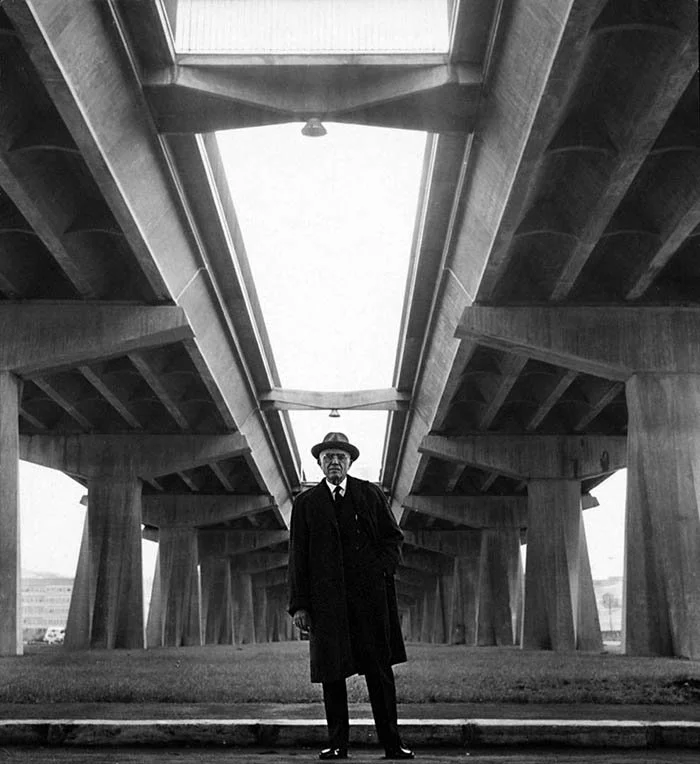
Pier Luigi Nervi (1891-1979) was one of the rare figures who genuinely changed the way modern buildings were conceived. Although trained as an engineer in Bologna, Italy, he thought like a sculptor. His buildings looked dramatic, but every gesture was grounded in rigorous structural logic.
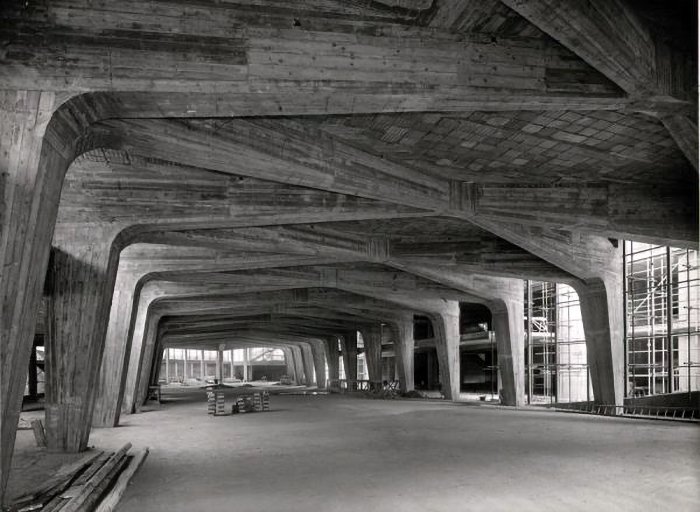
At a time when most architects treated reinforced concrete as a heavy material, Nervi saw its visual potential. His ribbed domes, folded plates, and sweeping spans often seem impossible, yet they were based on careful engineering and construction discipline.
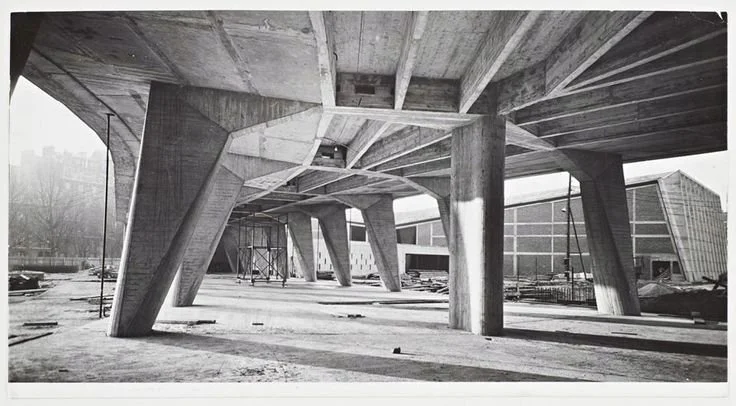
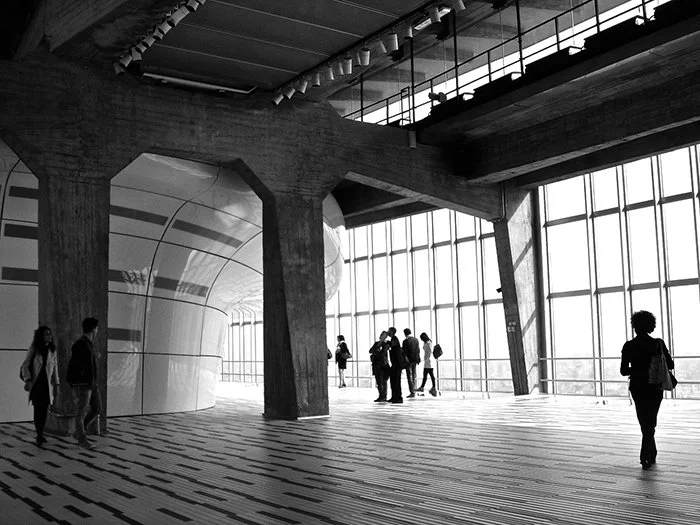
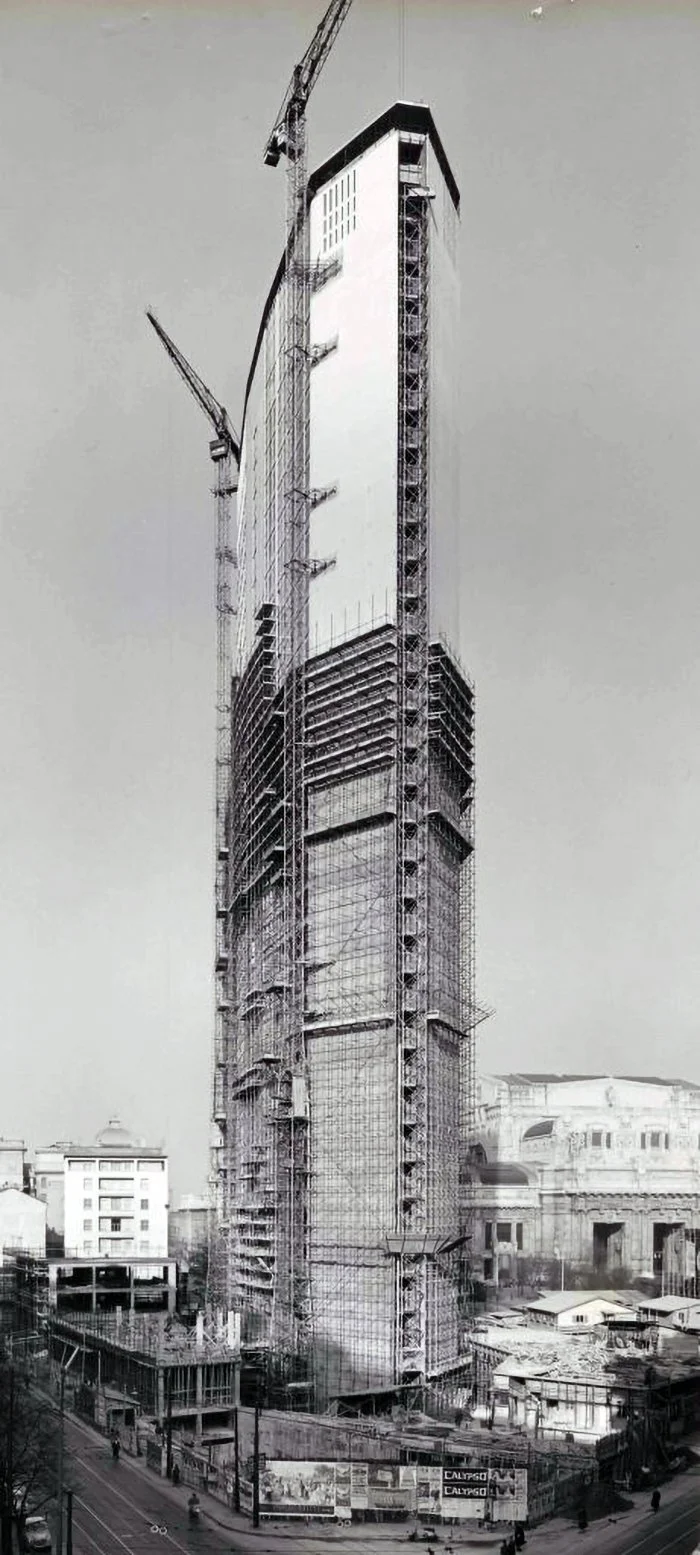
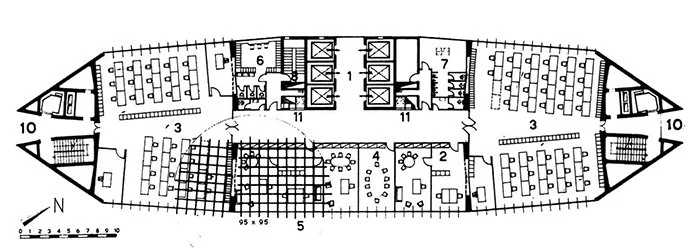
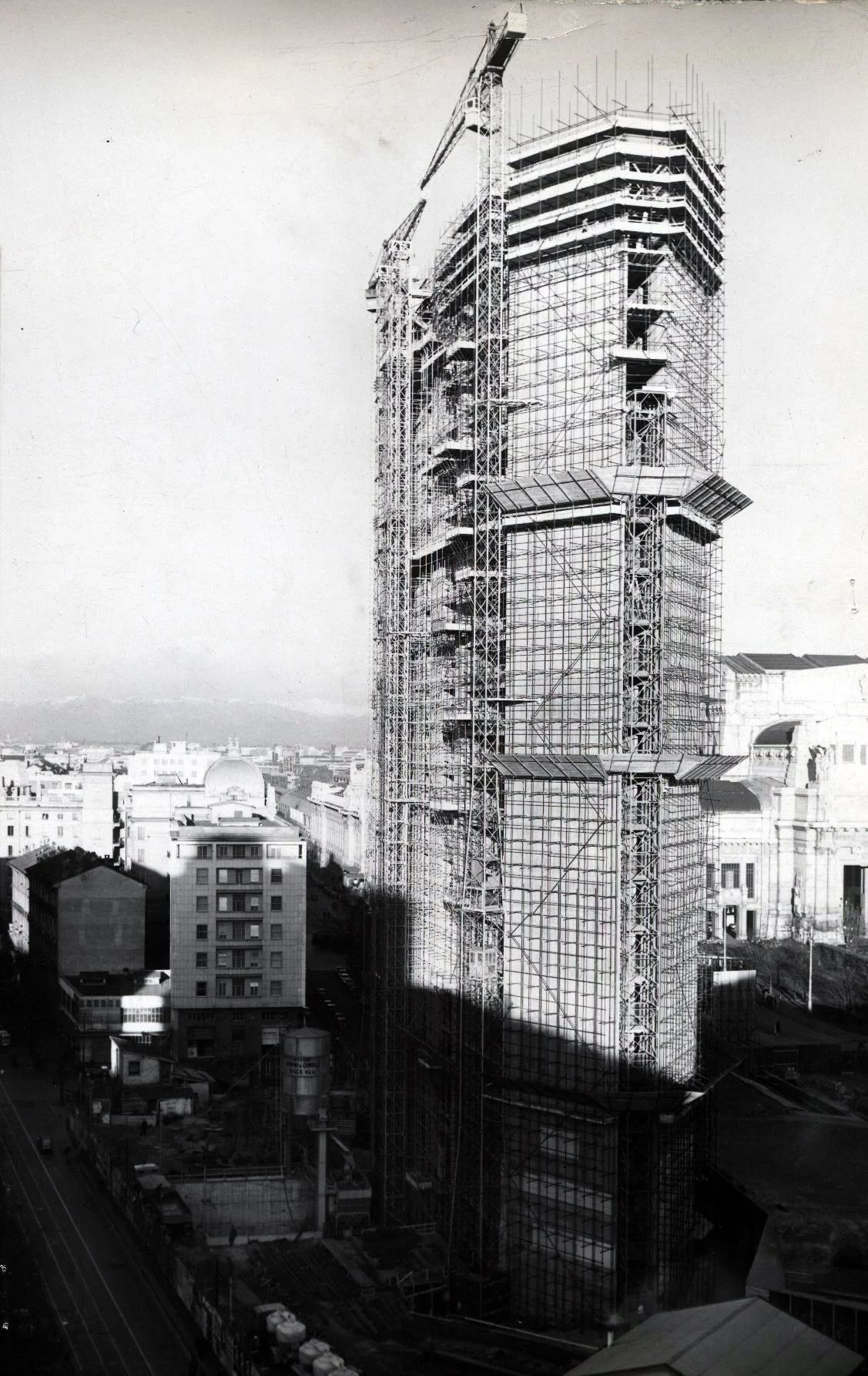
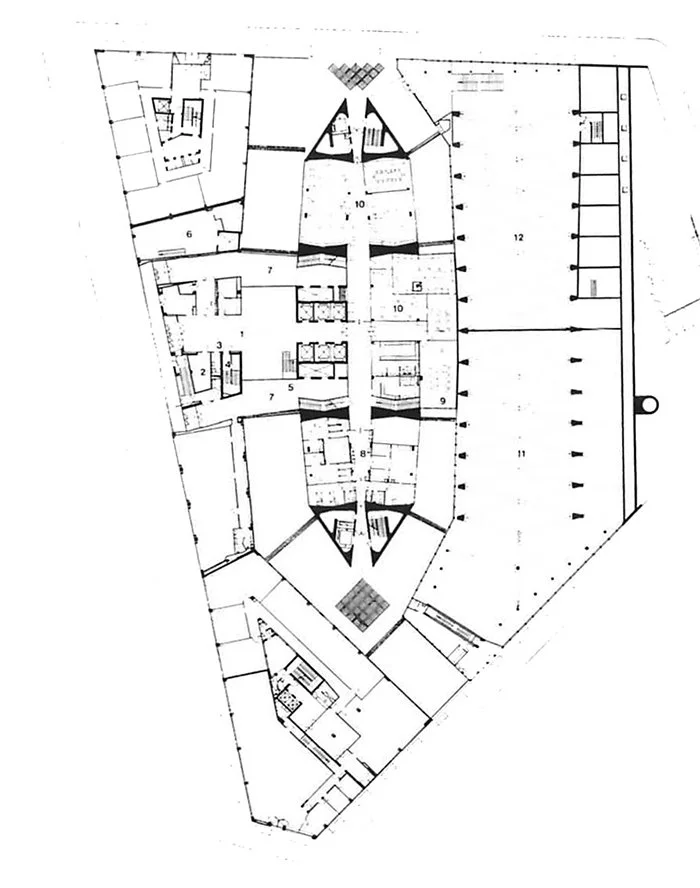
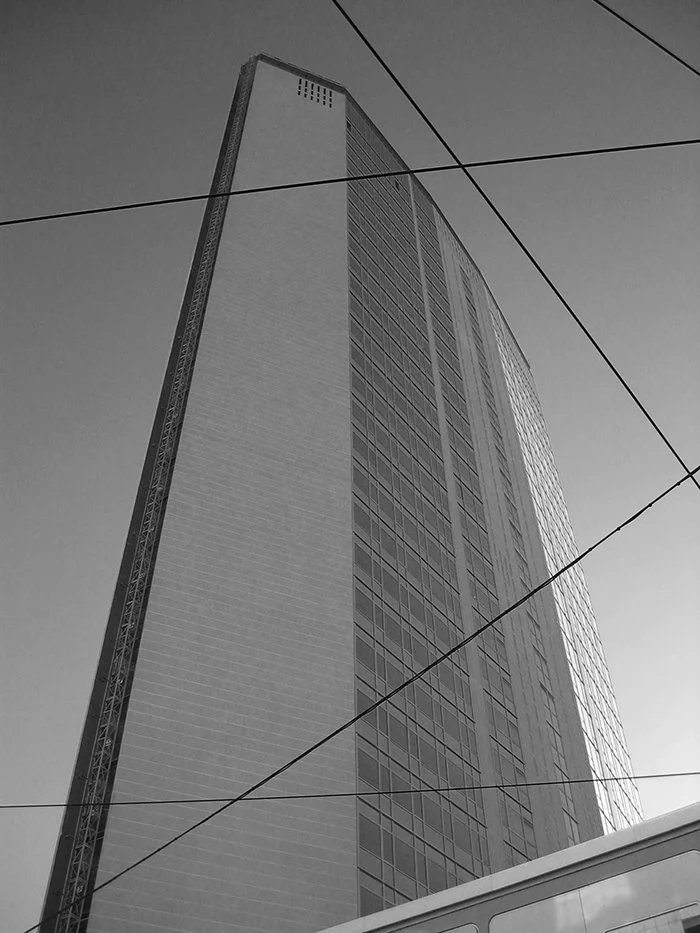
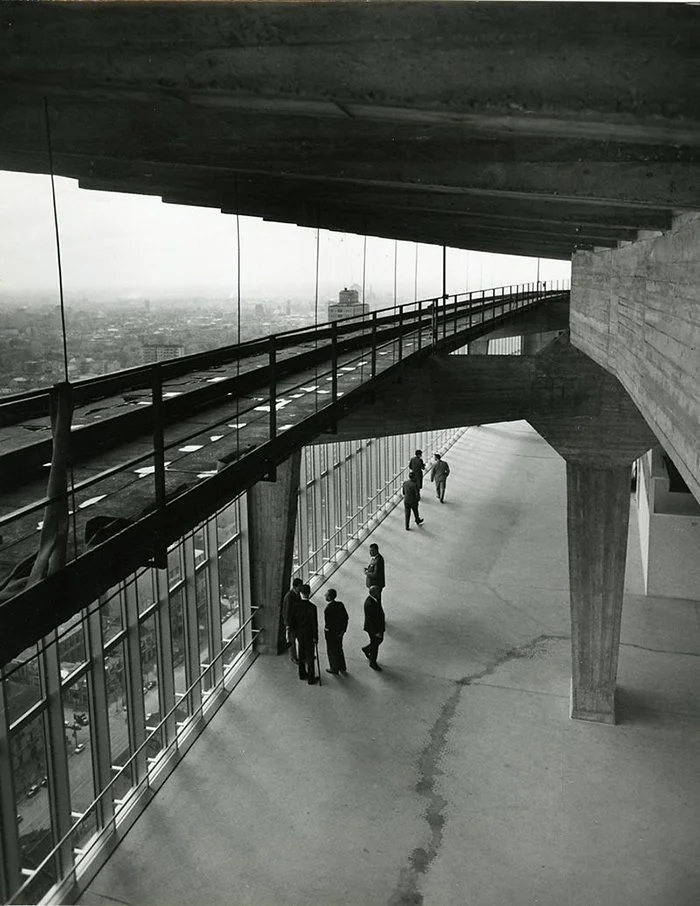
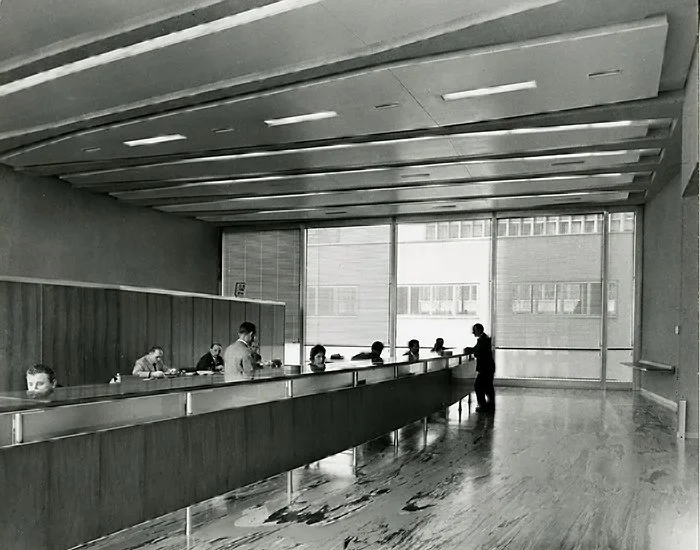
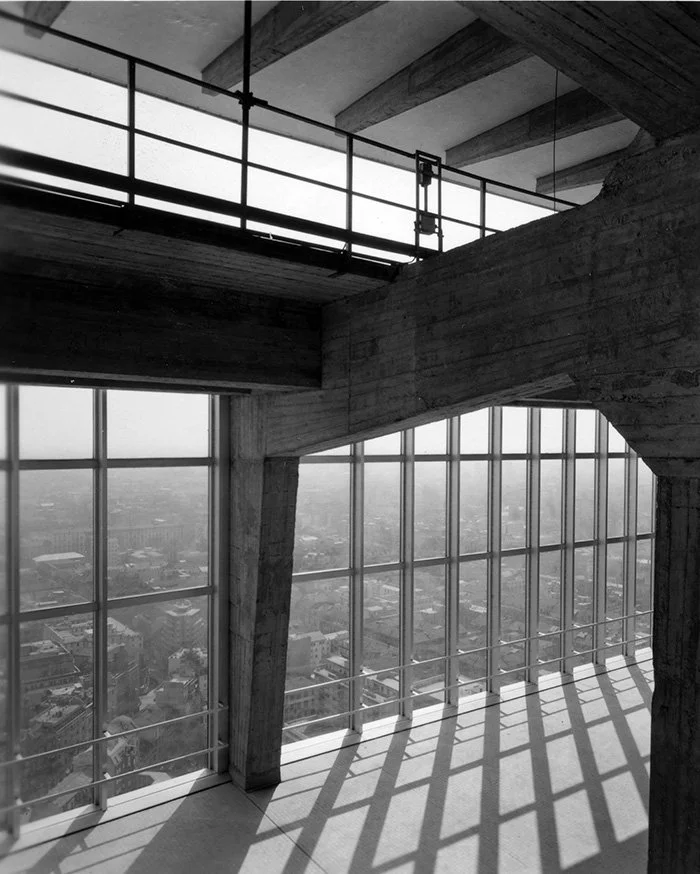
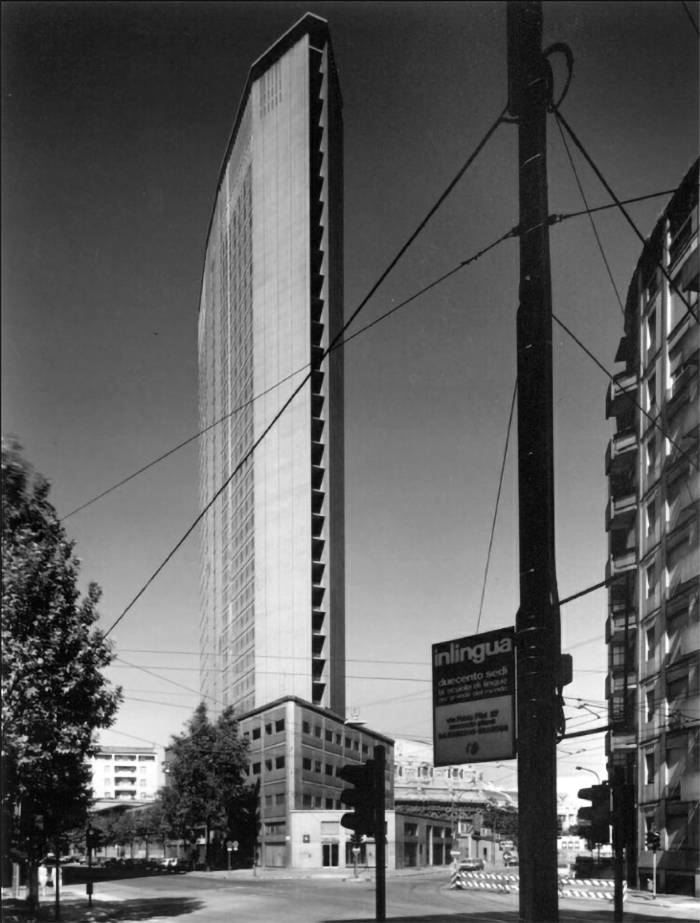
Nervi used engineering to serve the beauty of built form. For him, structural efficiency was architecture. You see it in projects like the Pirelli Tower. The Pirelli Tower was an important design because it made a skyscraper feel impossibly thin and elegant for its time. When it opened in 1960, most tall buildings were bulky steel structures. One of the key structural innovations of the Pirelli Tower was its use of a reinforced concrete structural spine combined with load-bearing perimeter walls. Instead of relying on a dense forest of interior columns, the tower concentrated much of its strength at the core and outer edges. That allowed the building to be unusually thin and open inside.
The pointed ends were not just visual flourishes. They helped stiffen the structure and reduce wind forces. Working with architect Gio Ponti, Nervi proved that designing with concrete could produce buildings that were modern, graceful, and almost weightless.