From interpretation to presentation
The shift in architectural photography
Mid-20th-century architectural photography by photographers like Ezra Stoller wasn’t just documentation; it was editorial. Images were constructed to express an idea. Black & white film photography imposed discipline: slow view cameras, deliberate framing, and a reliance on composition. Light defined structure, shadow defined space, and distractions were stripped away to make the subjects legible.
Today’s images are technically superior, with higher resolution, wider dynamic range, and greater control, but often less clearly defined in intent. Most architectural photography now feeds marketing pipelines, prioritizing broad appeal and use in social media. Colour images emphasize atmosphere and style over spatial logic. Everything is clean, corrected, and resolved. There’s little tension, and without tension, less pull.
Black & white photographs weren’t inherently better, but they enforced hierarchy and abstraction. Black & white photographs lacked the seduction of colour, and they required decisions about what mattered. Digital colour workflows enable faster capture and endless refinement in editing, but that flexibility often yields agreeable, inconspicuous images.
The real shift isn’t film versus digital. Perhaps it’s a shift from interpretation toward presentation.
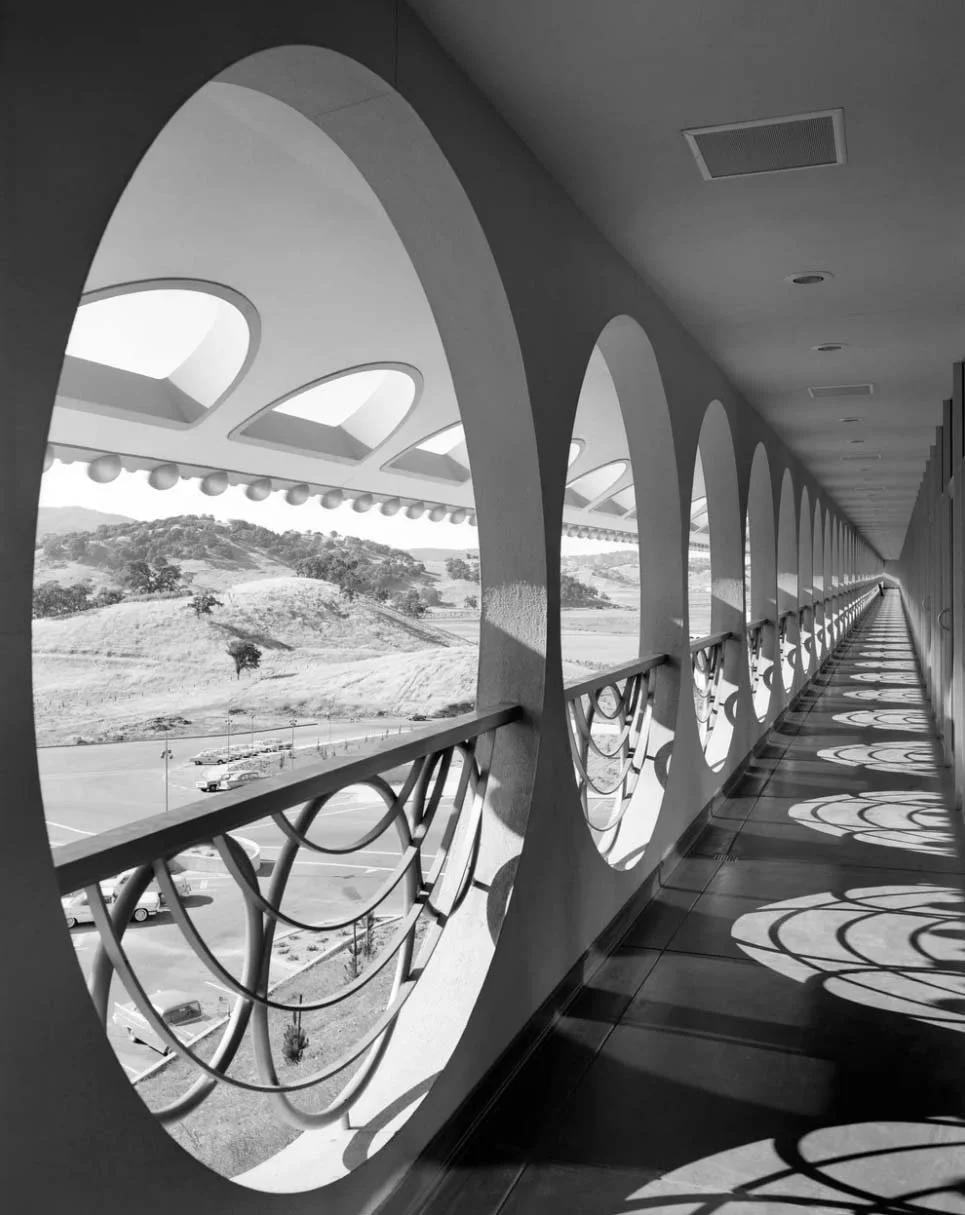
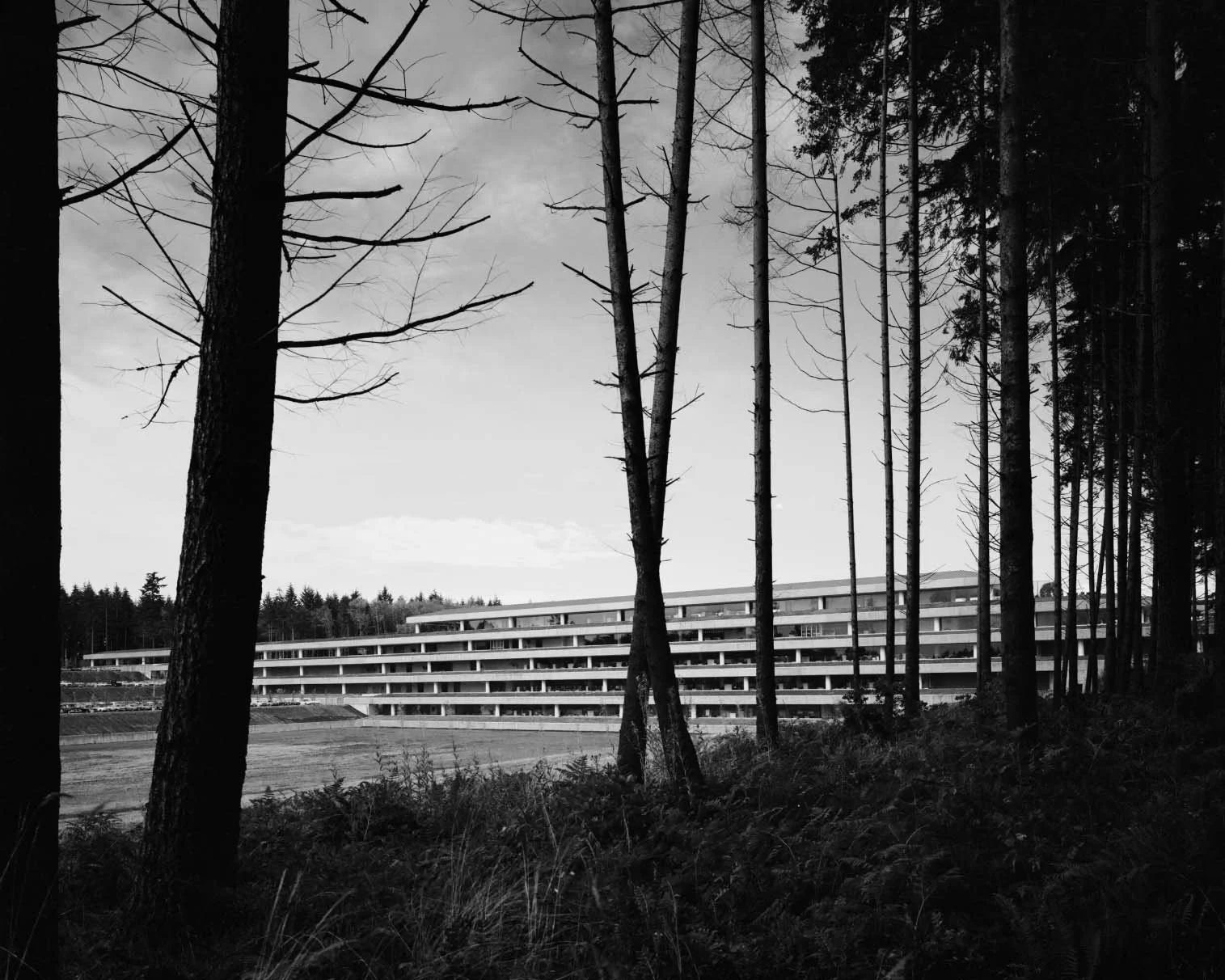

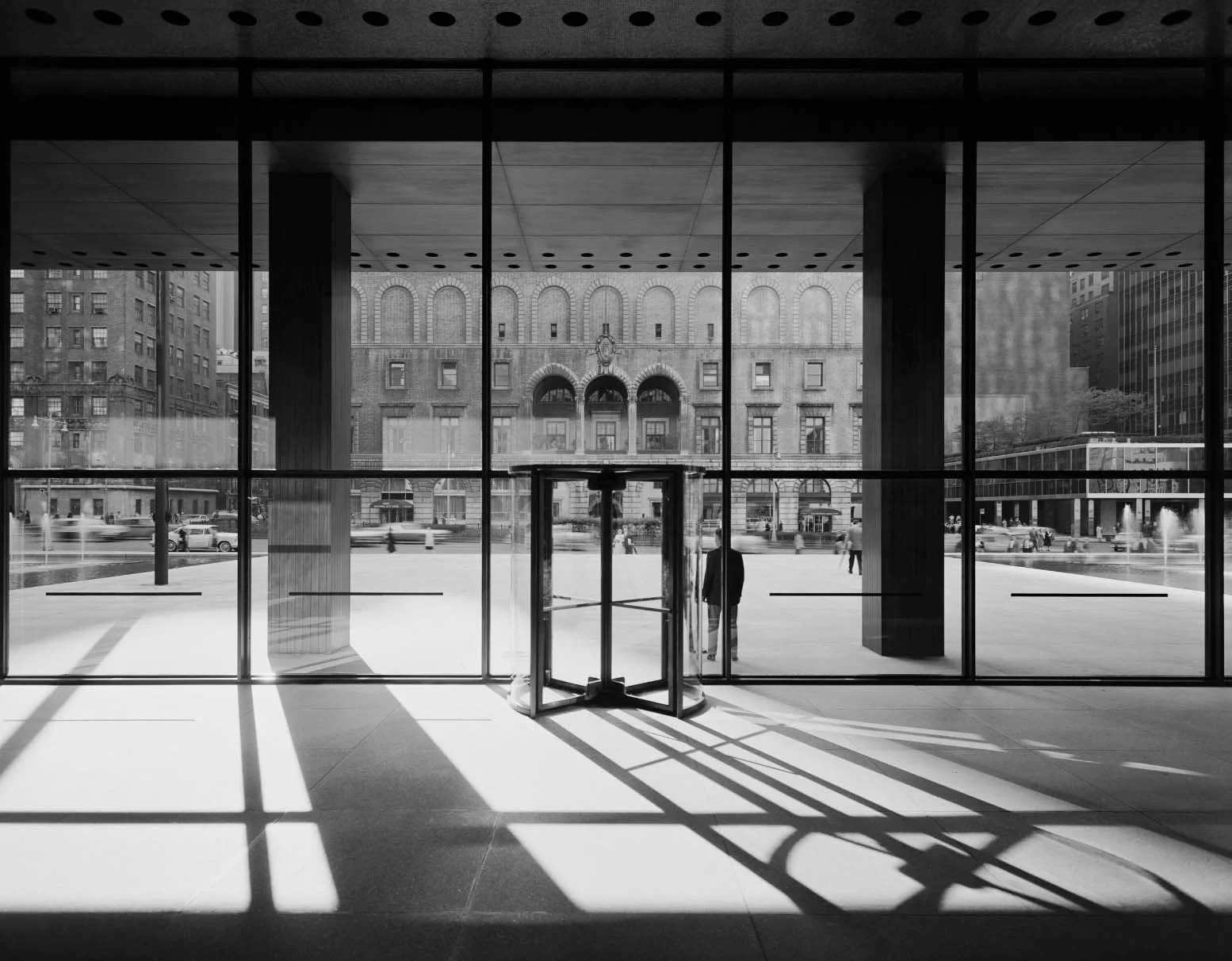
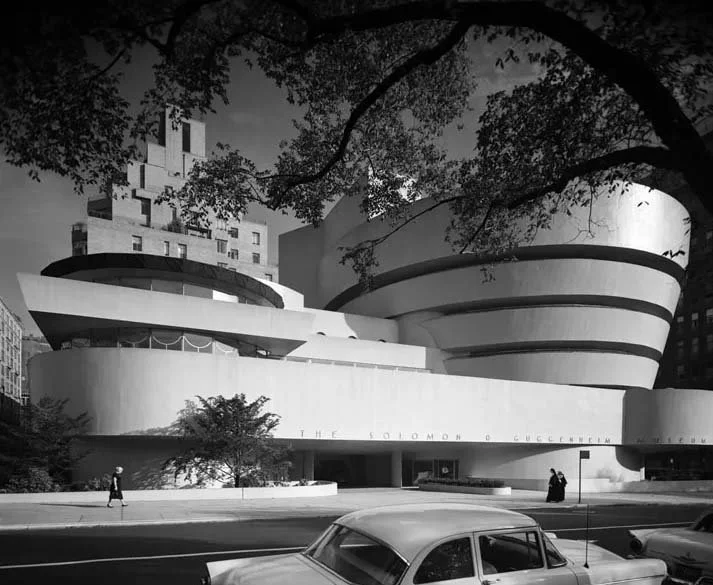
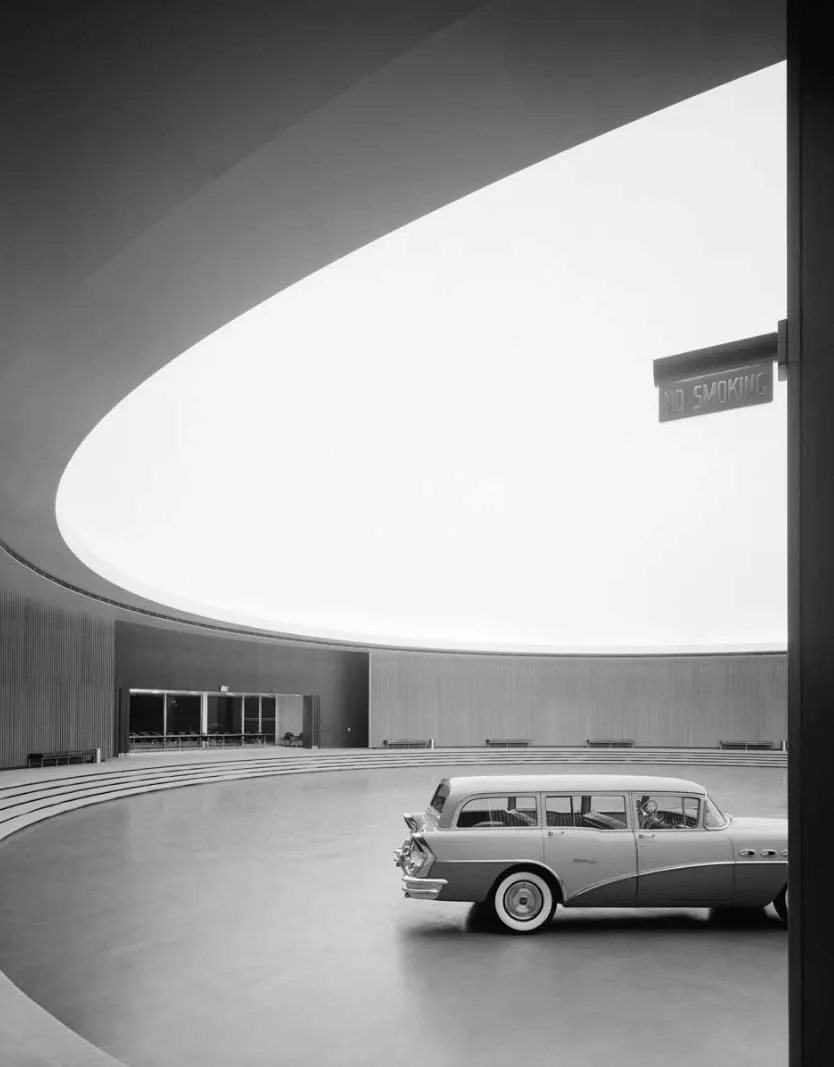
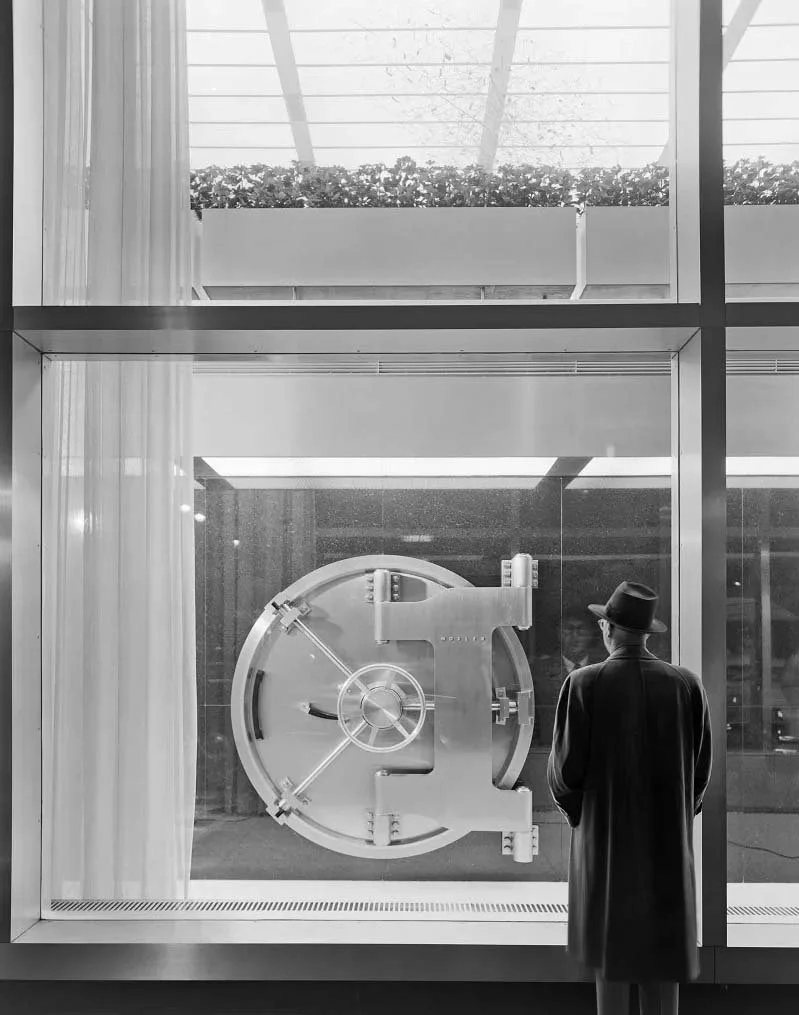
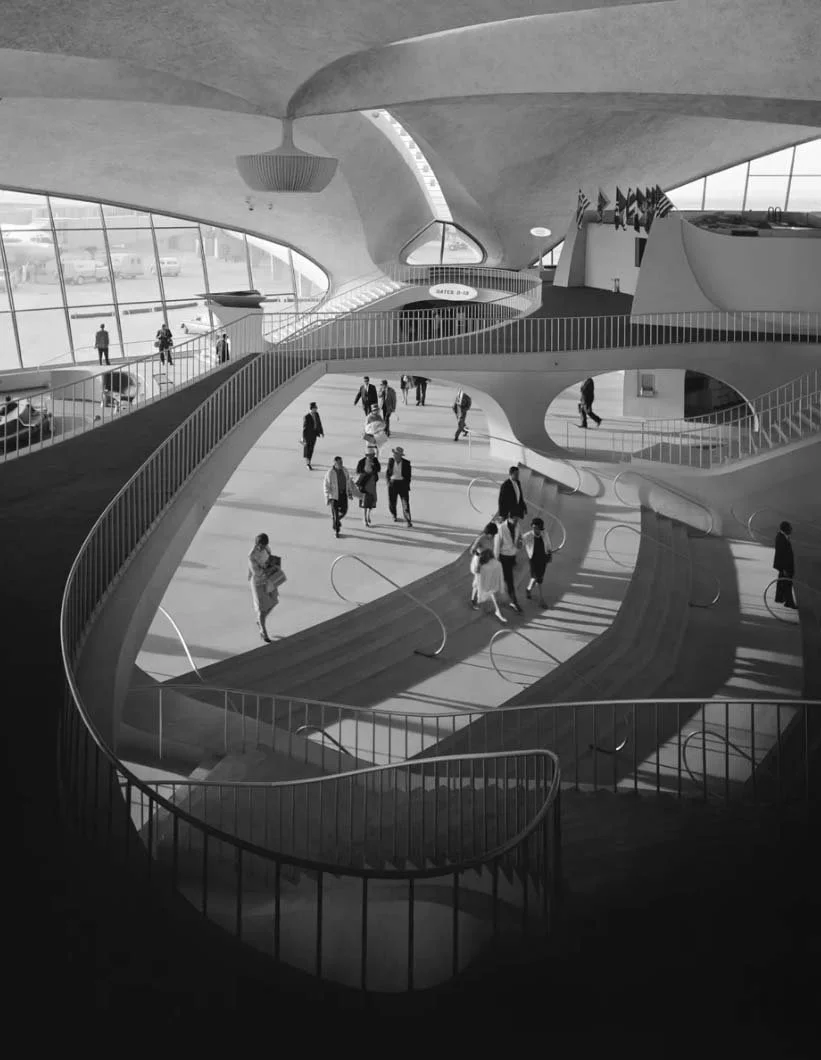
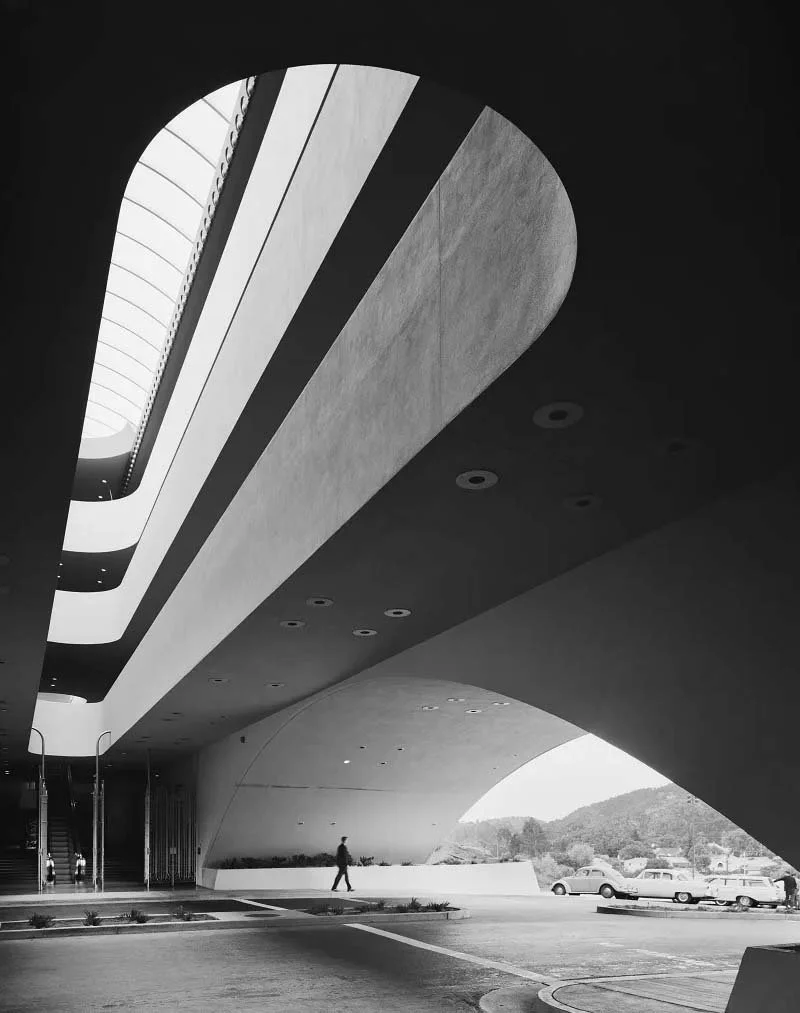
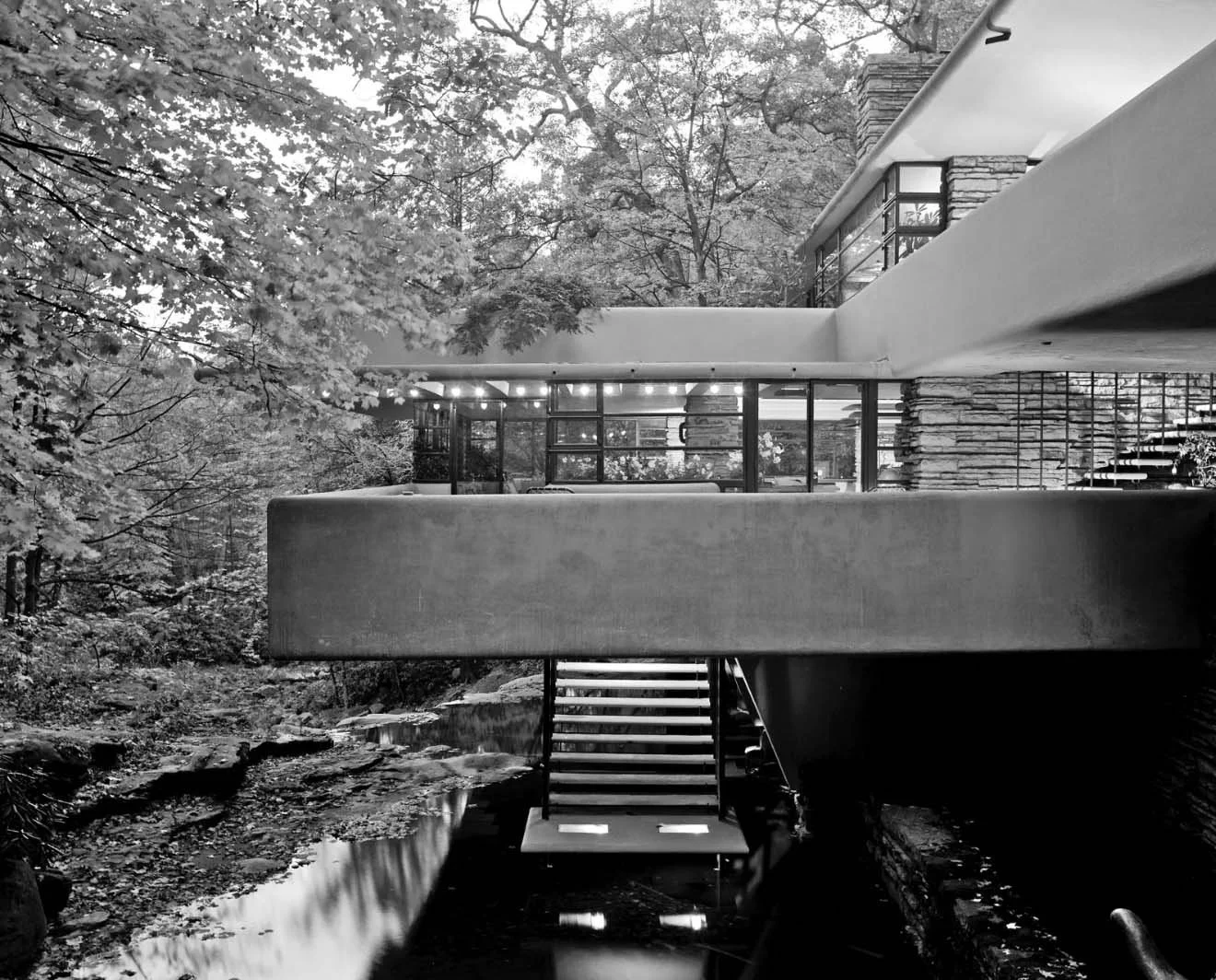
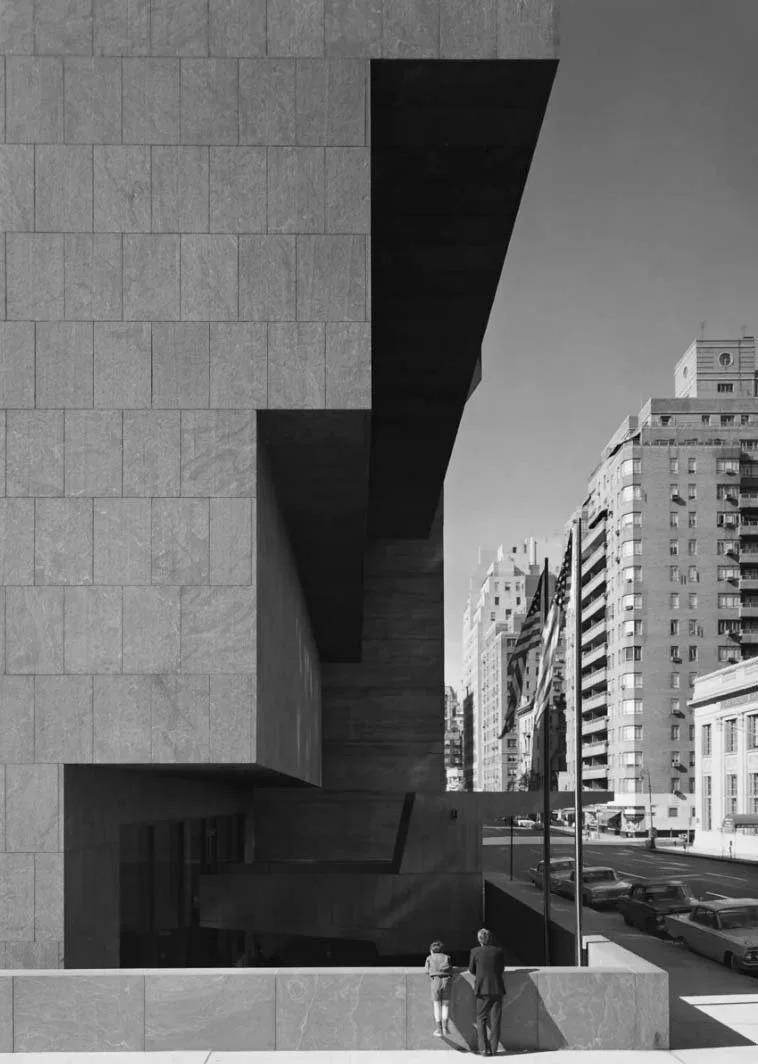
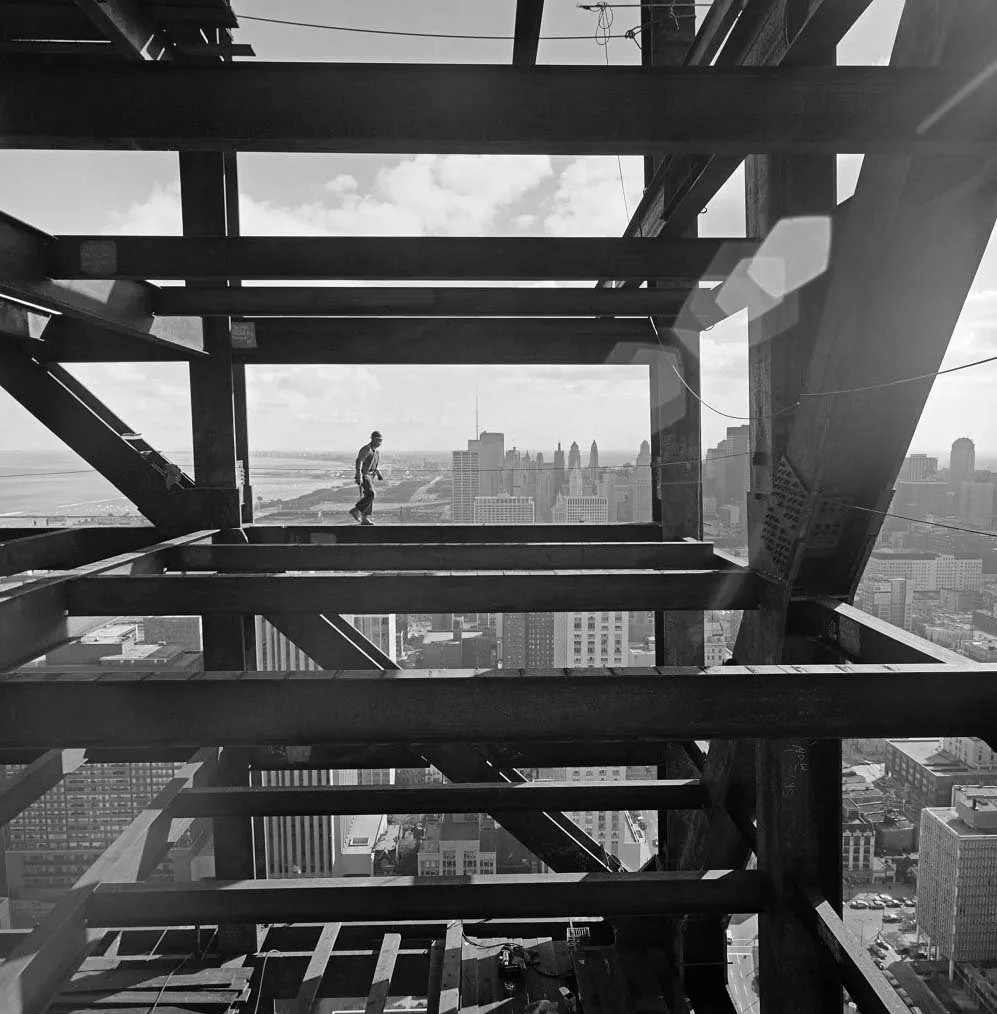
All photographs by Ezra Stoller