
Industrial Ghosts of Hogtown
Photographing a Toronto slaughterhouse before its demolition
Most architectural photography commissions are straightforward in principle. The building is complete, polished and operating exactly as the architect intended. The task is to interpret the design at its best. Photographing a slaughterhouse awaiting demolition in Toronto was something entirely different.
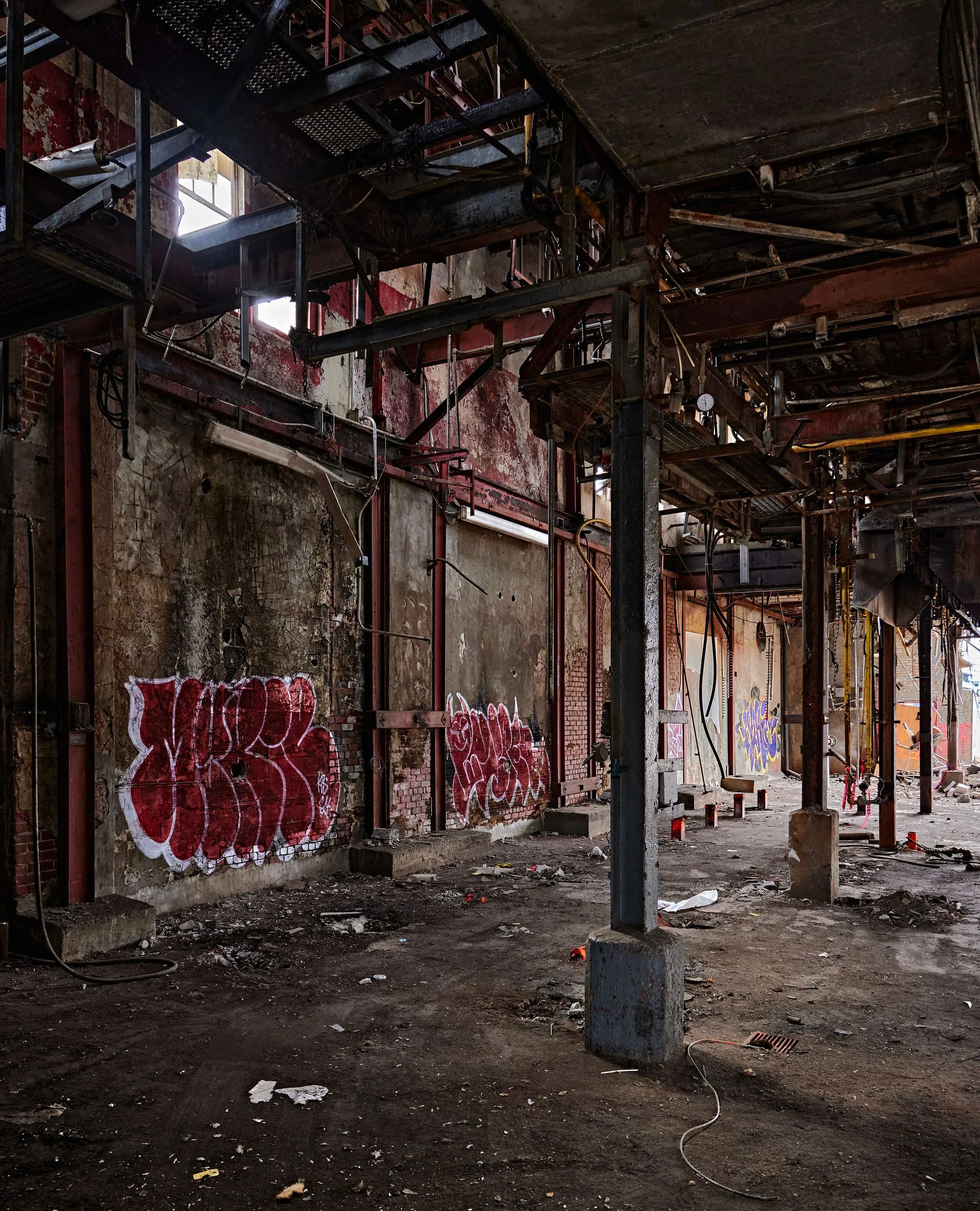
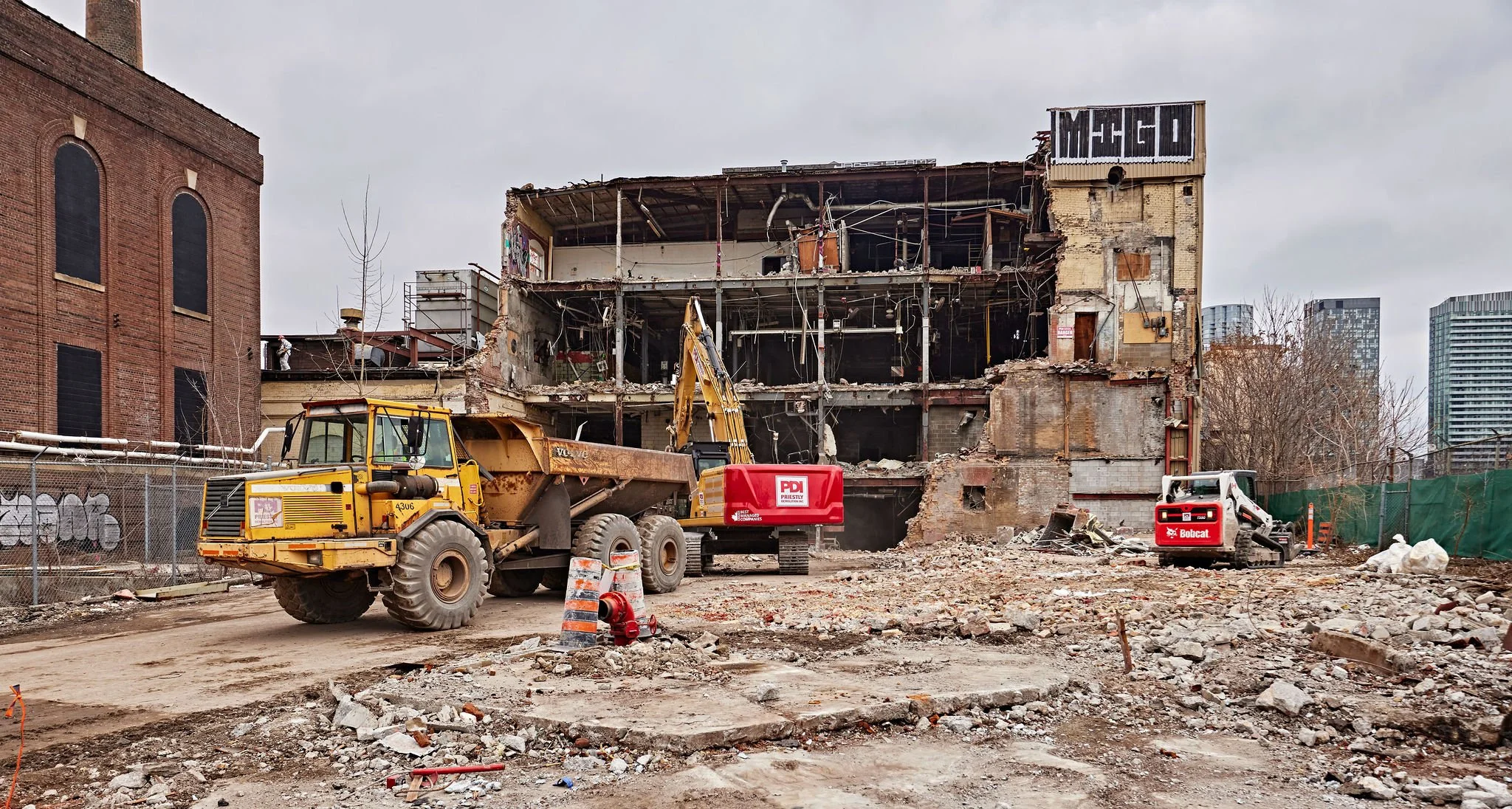
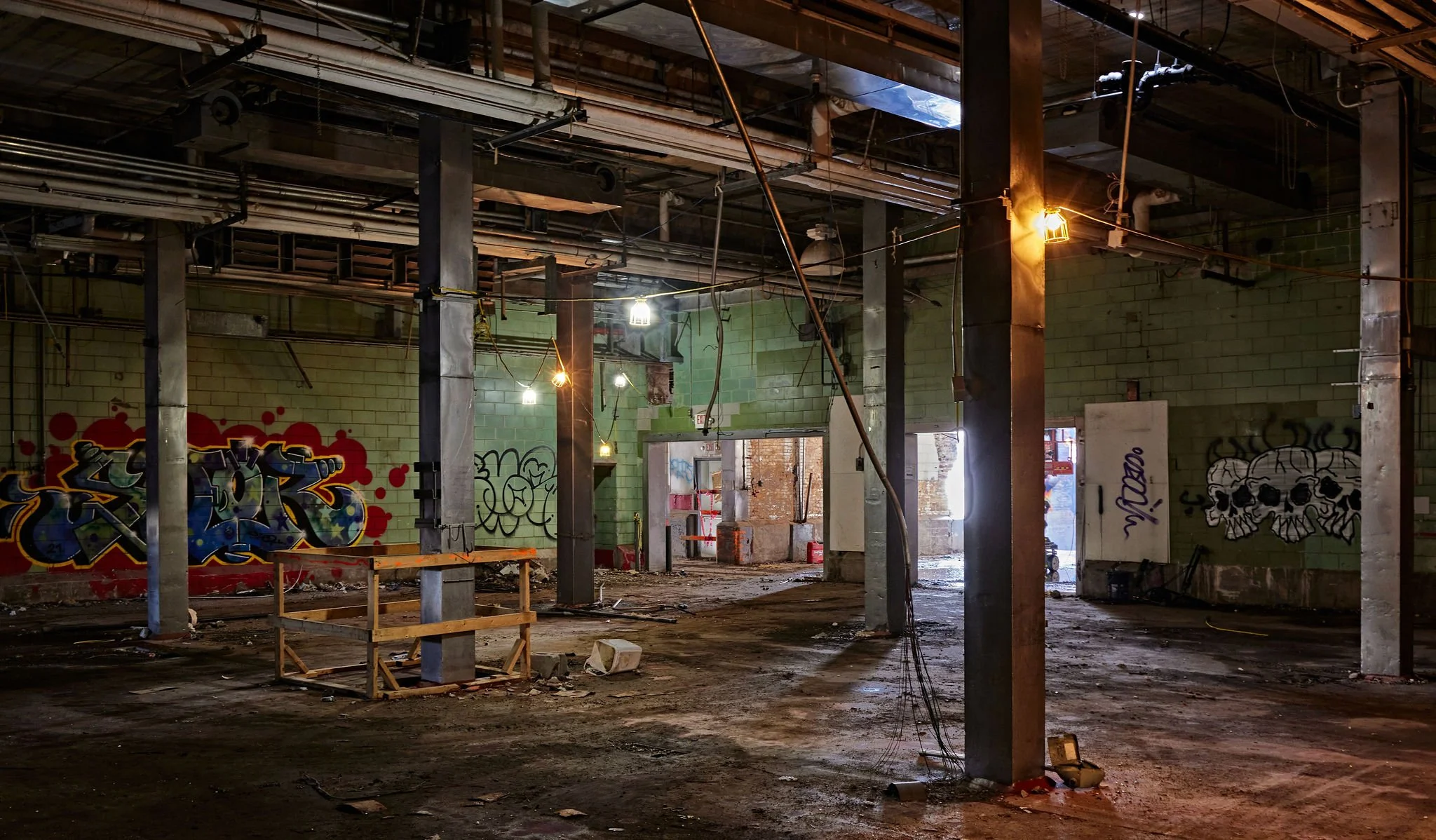
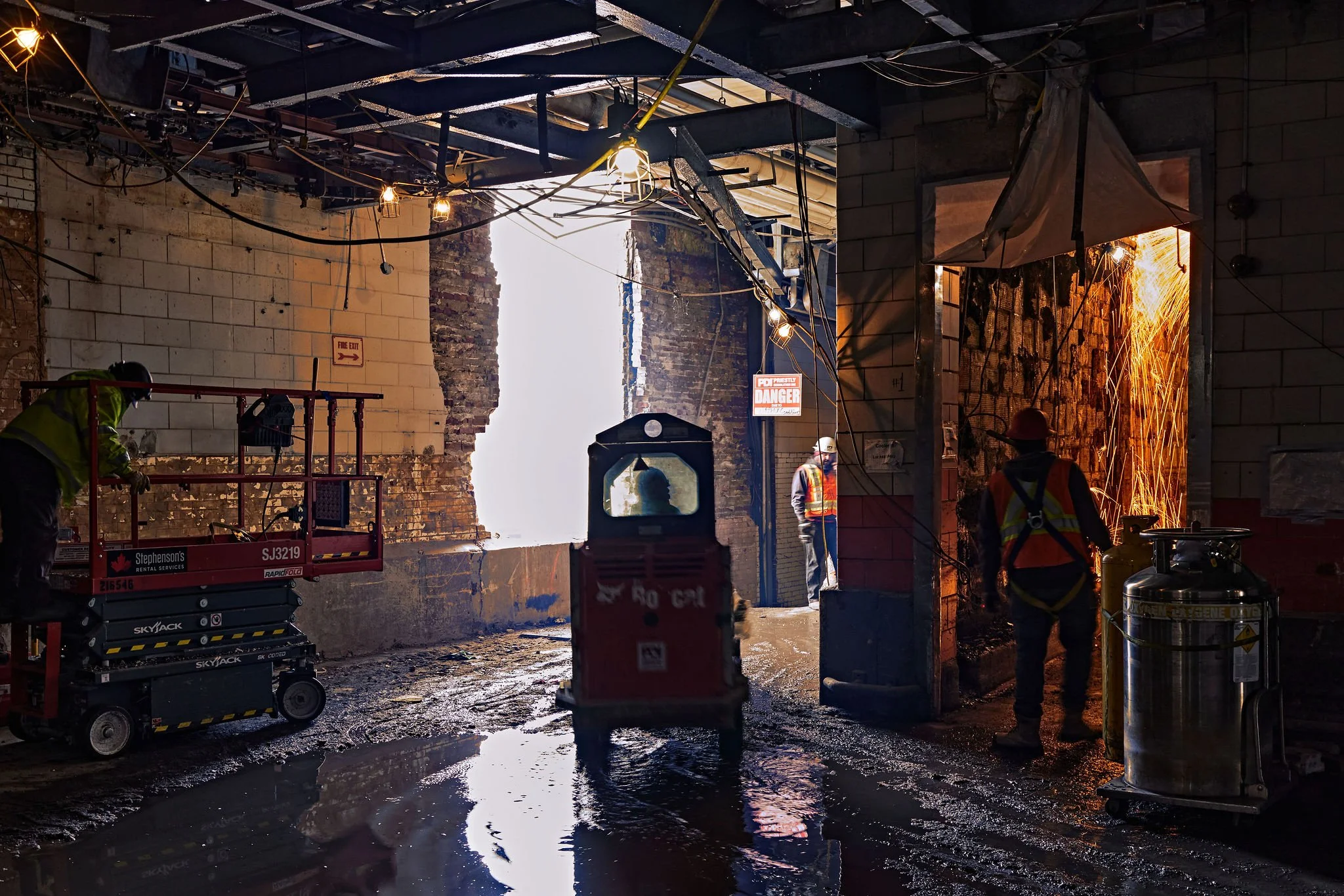
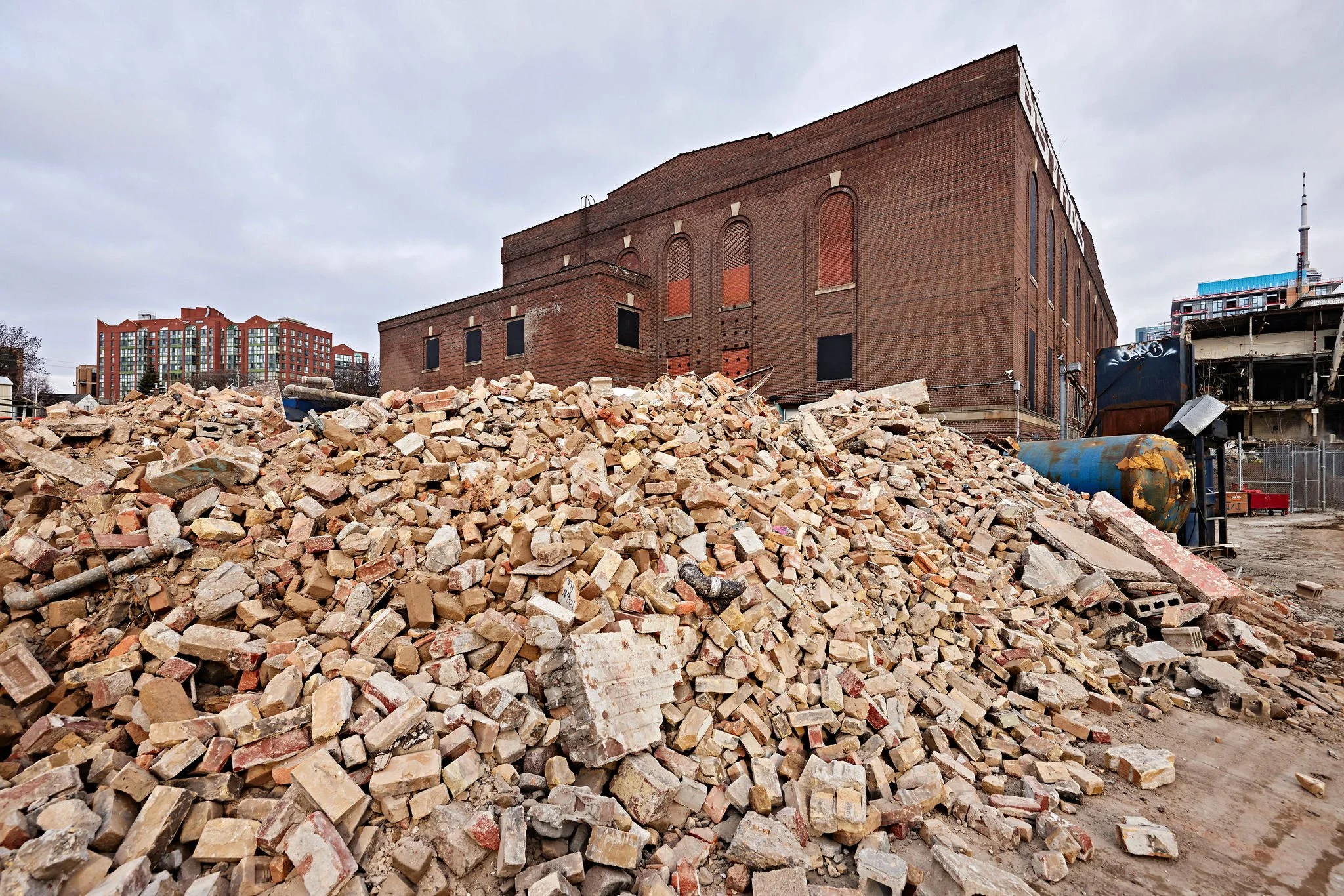
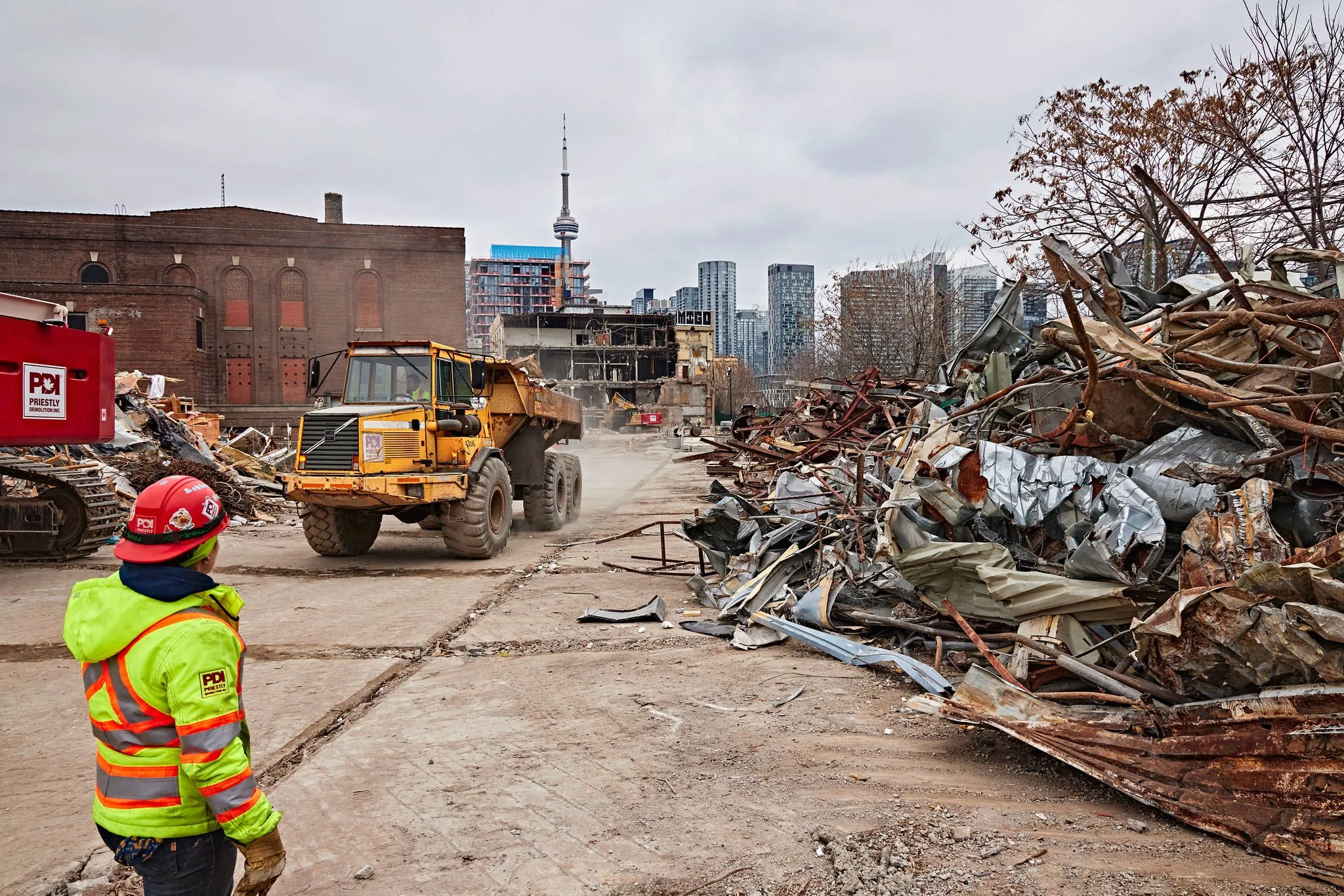
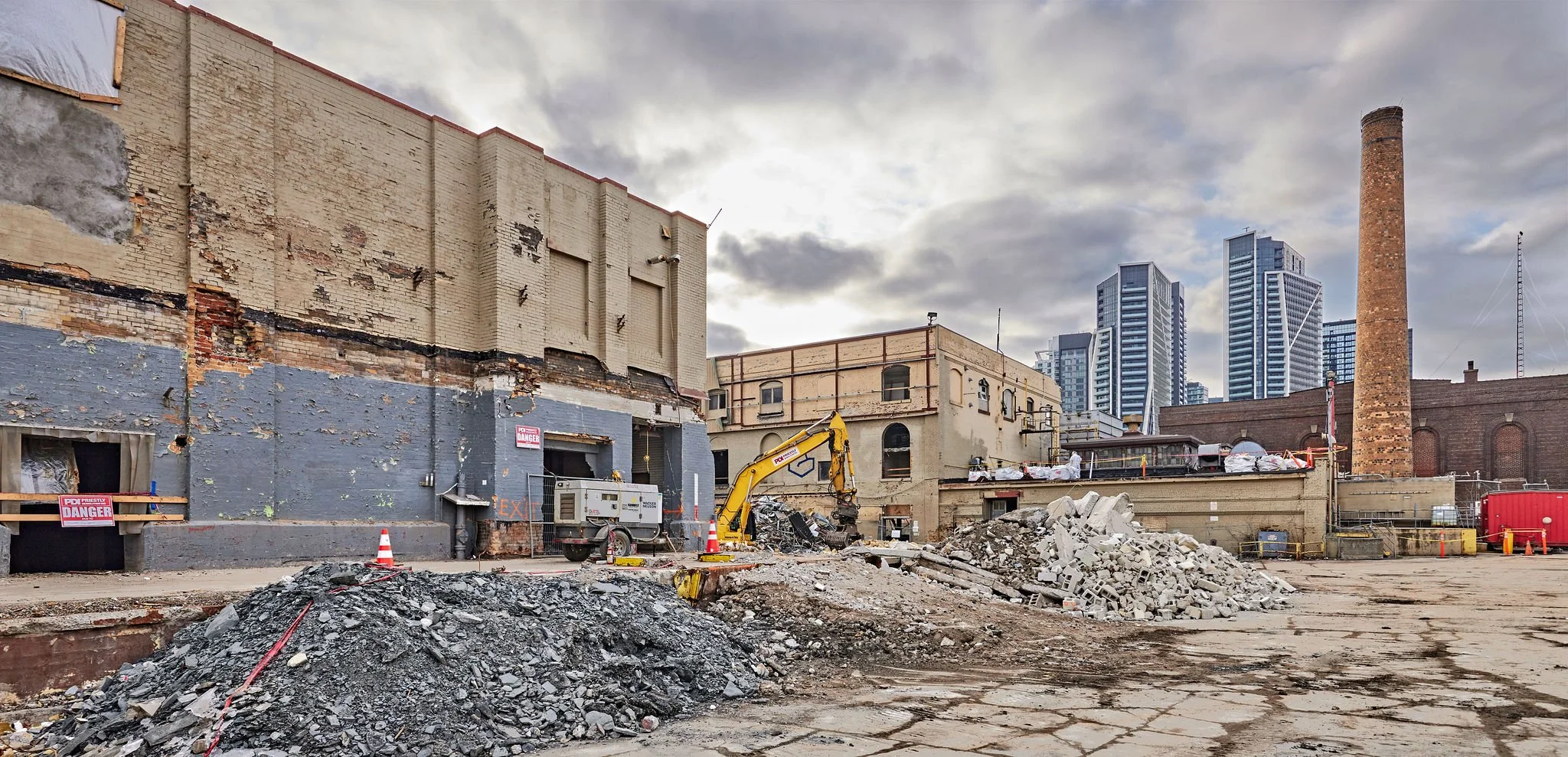
A few years ago, I was given access to an old industrial slaughterhouse before it was demolished to make way for a new development. Unlike a finished architectural project, there was no perfect lighting setup, no carefully staged interiors and no functioning life inside the building. The challenge was finding meaning and visual interest in a place that was abandoned, deteriorating and only weeks away from disappearing altogether.
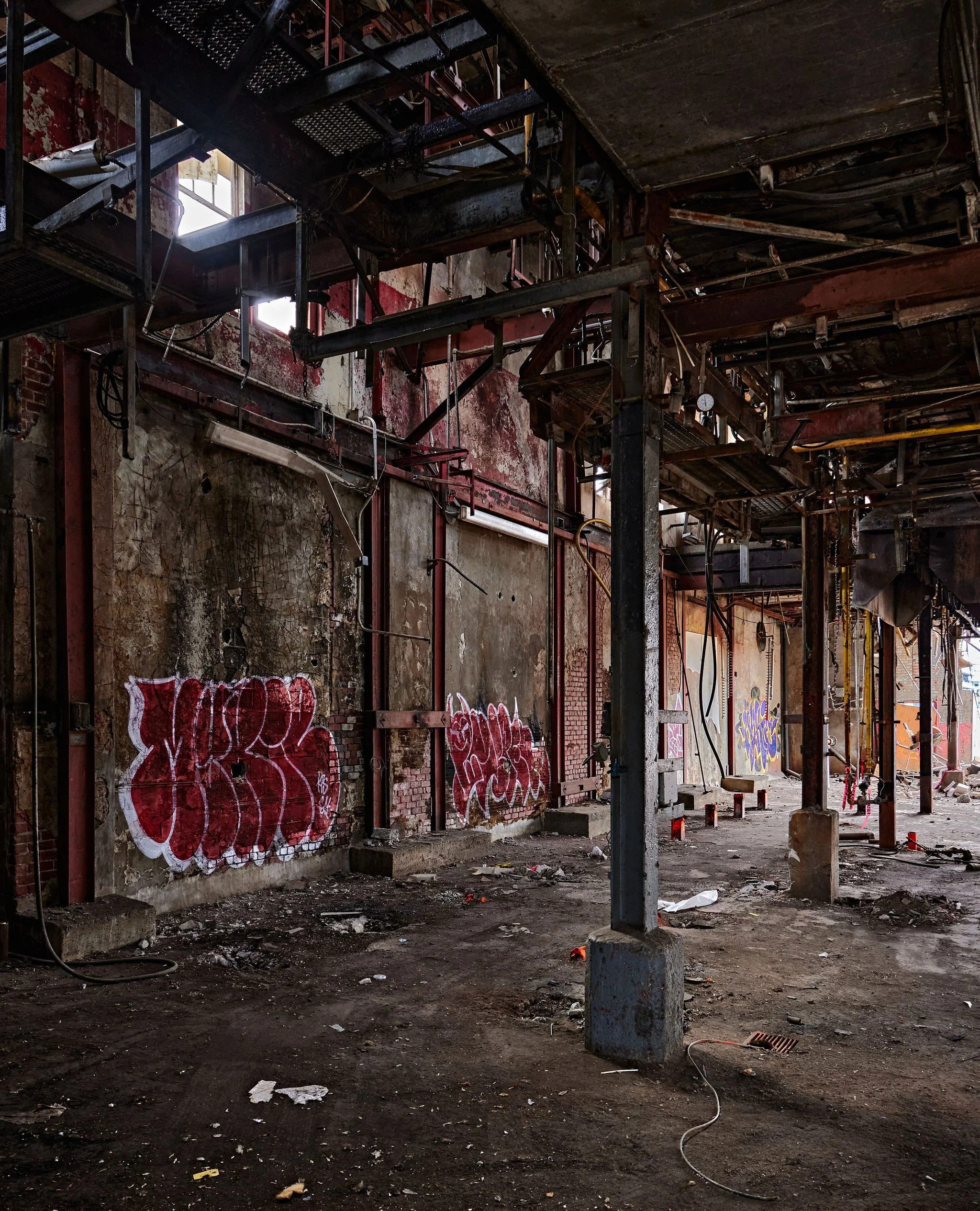
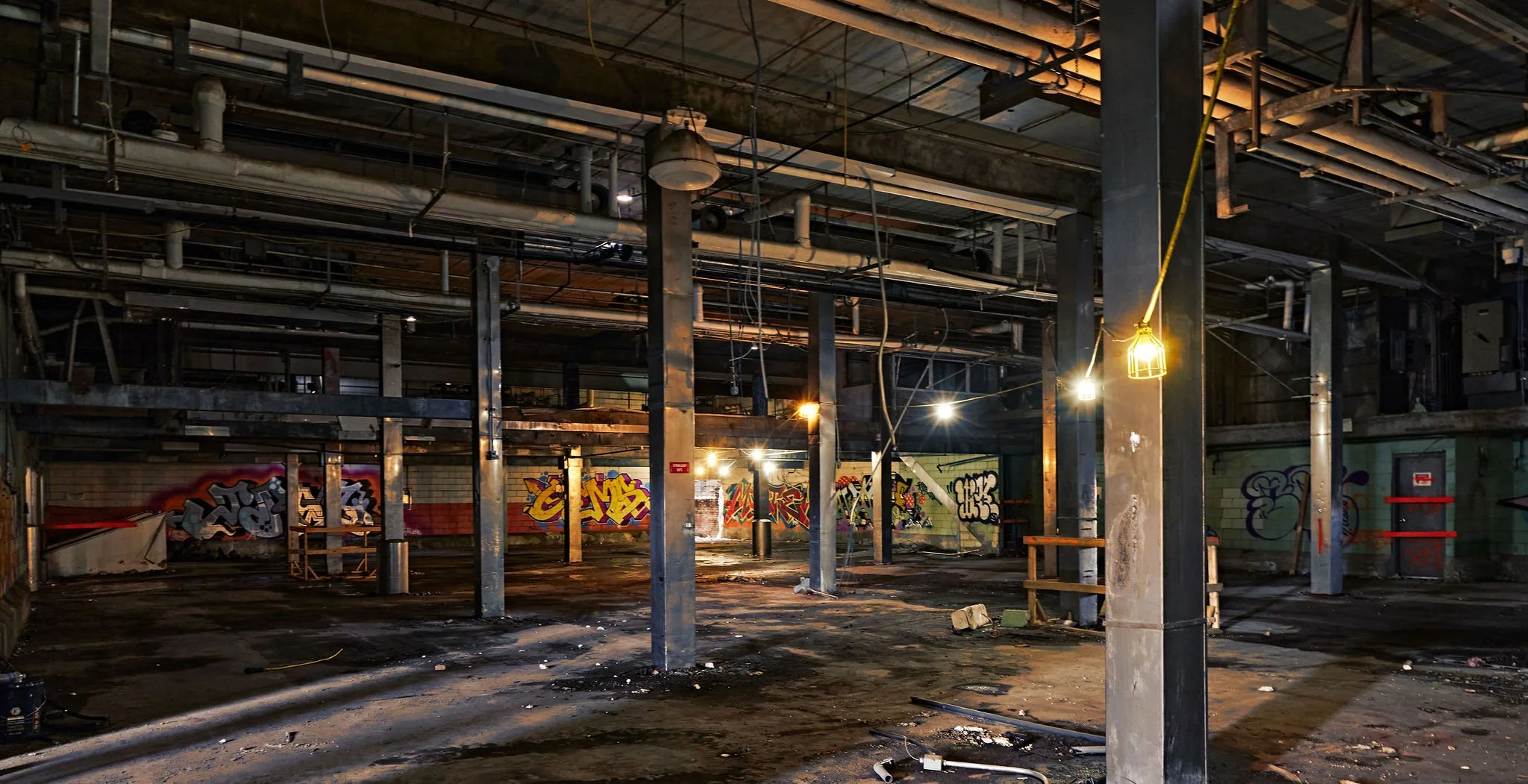
The slaughterhouse was massive, worn down and deeply atmospheric. Scarred concrete floors, overhead rails and uneven lighting throwing shadows across empty rooms. There was an honesty to the place. It carried decades of labour and use. The value of the project came from preserving visual clues of the past.
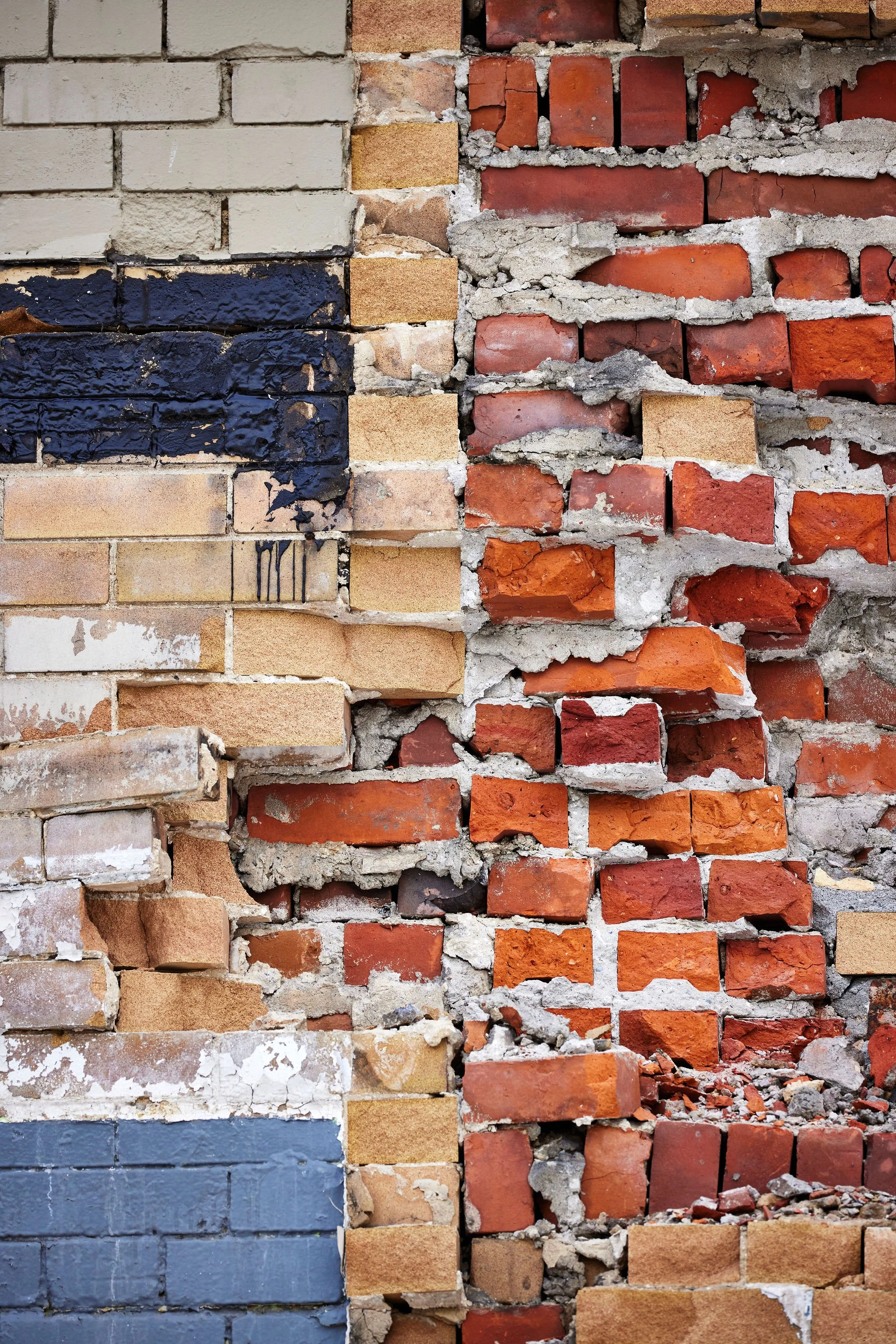
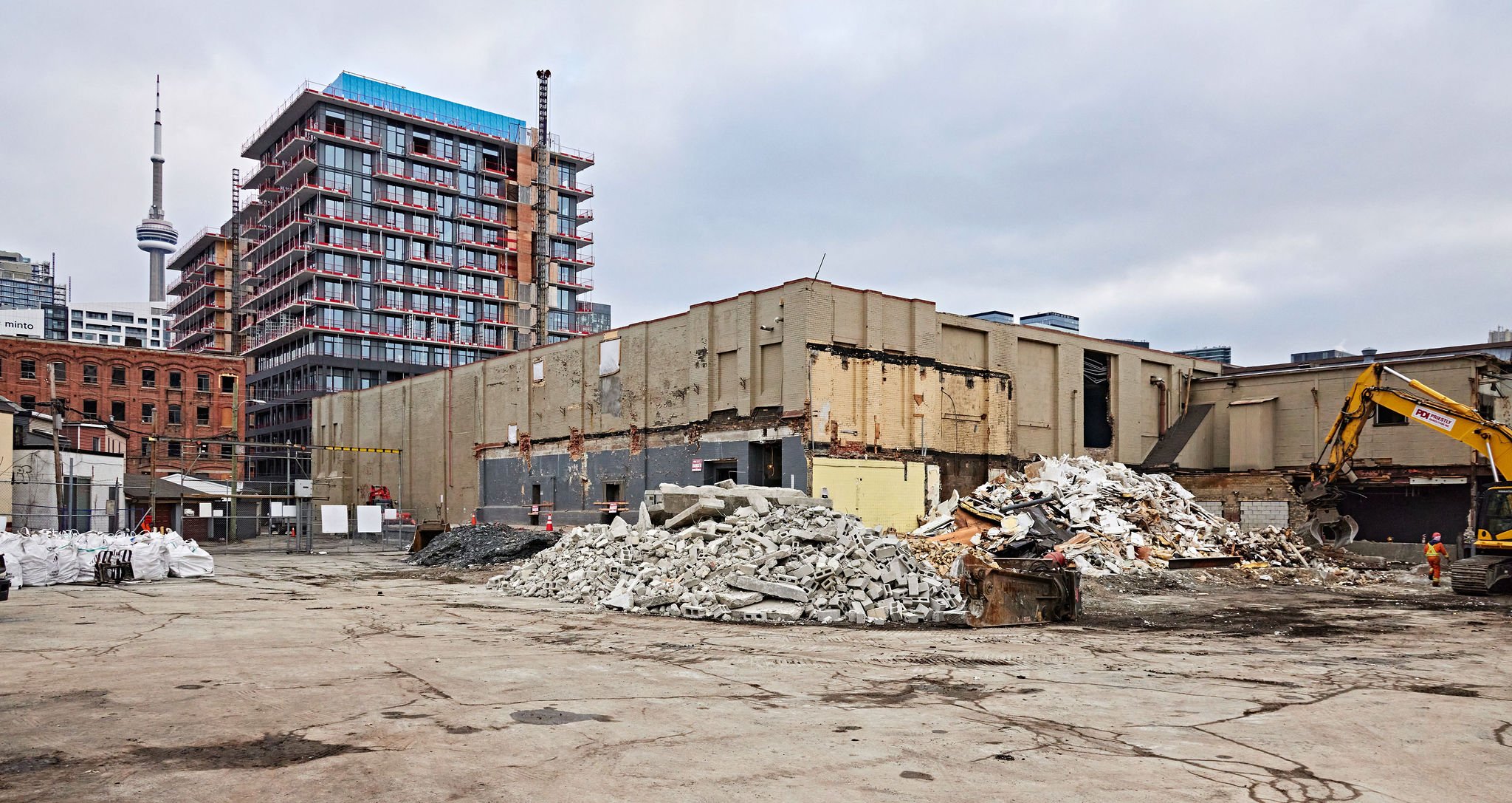
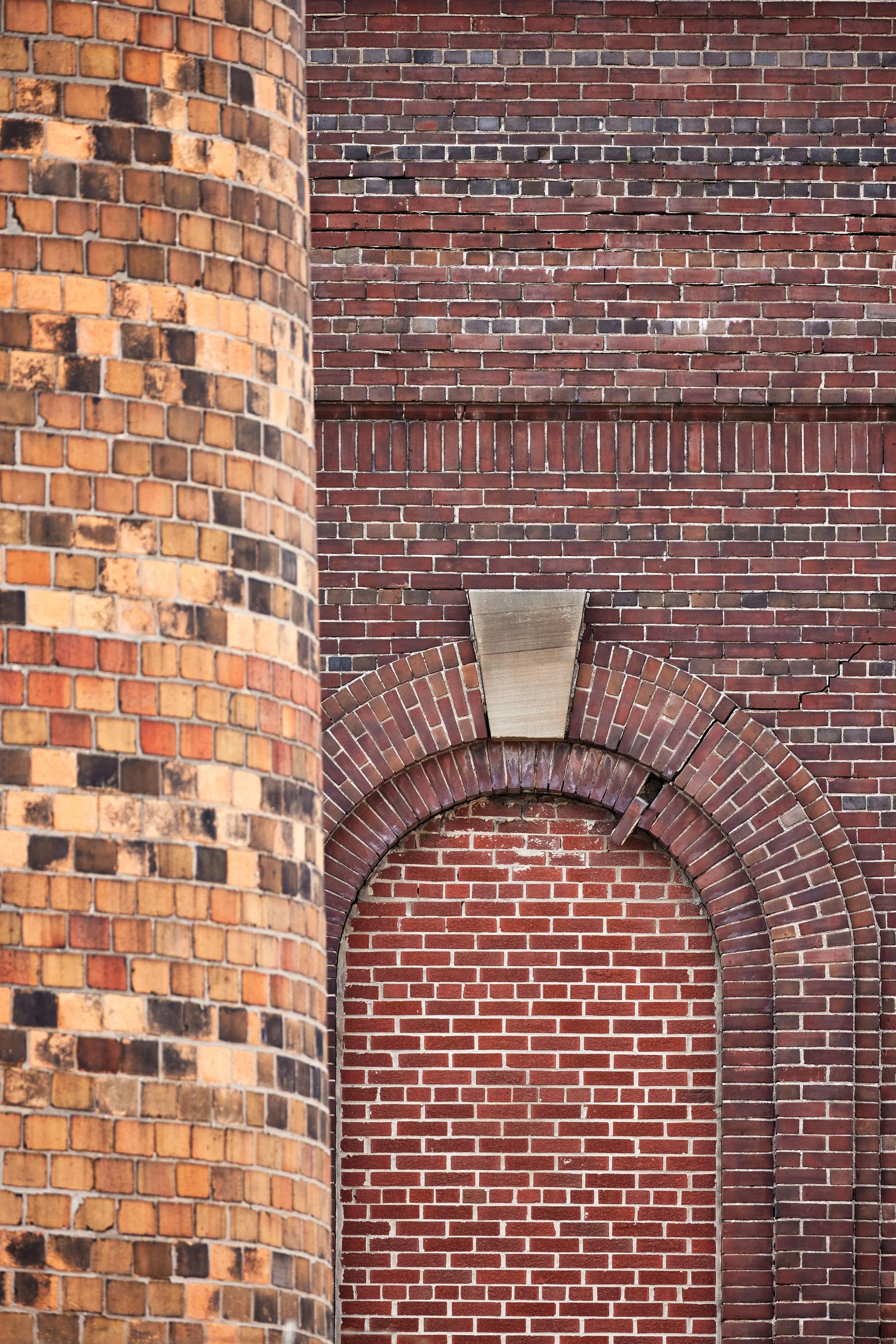
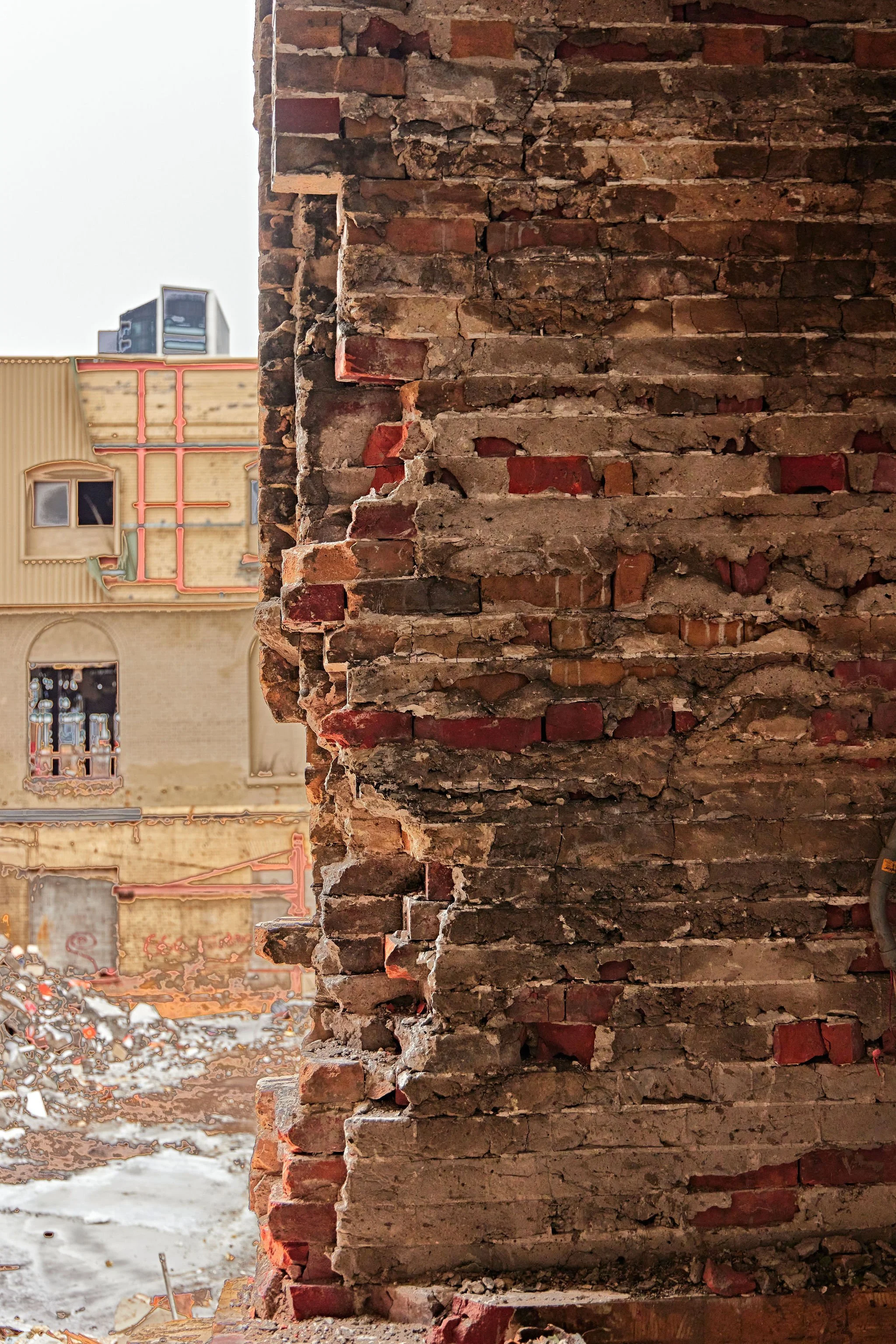
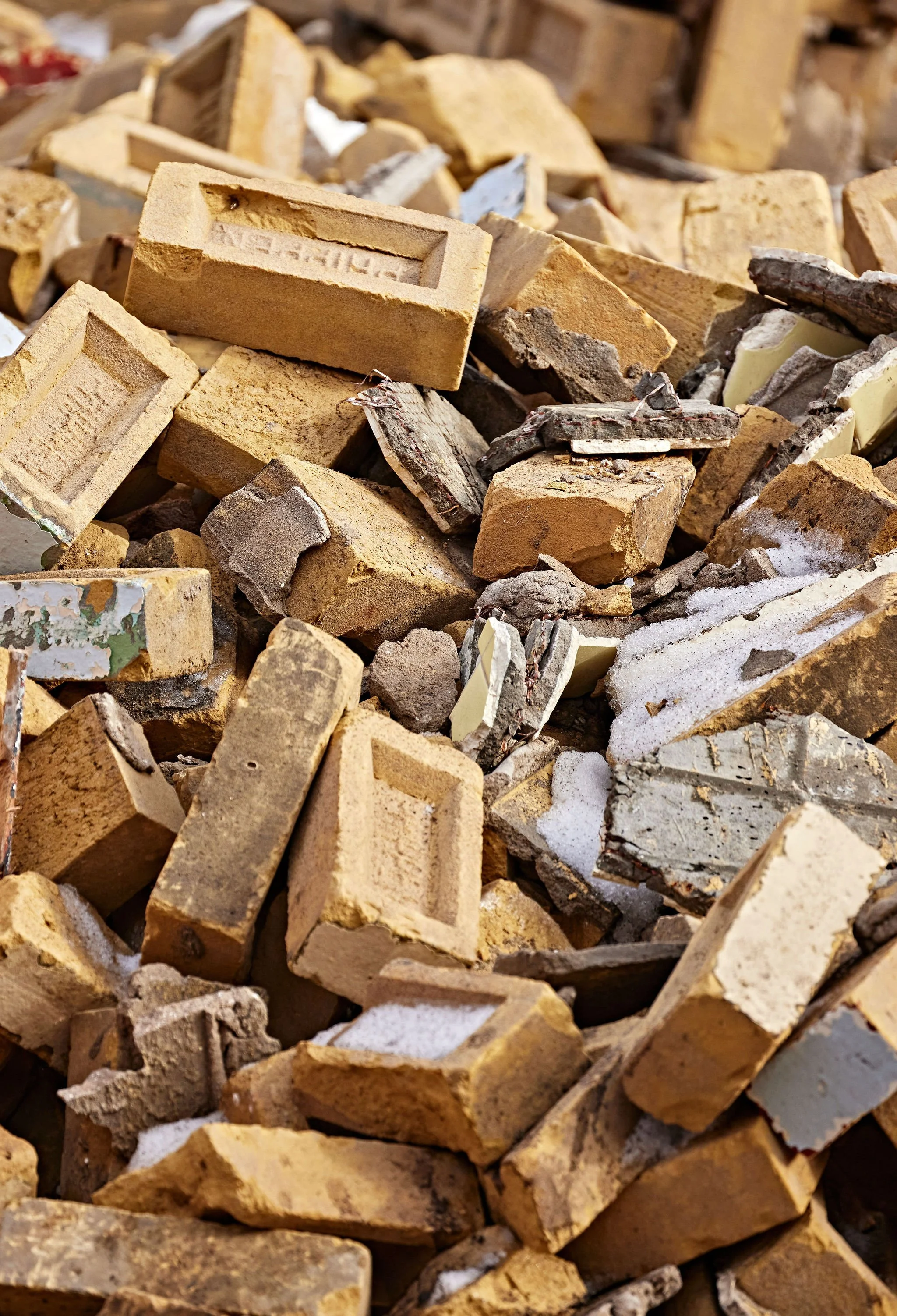
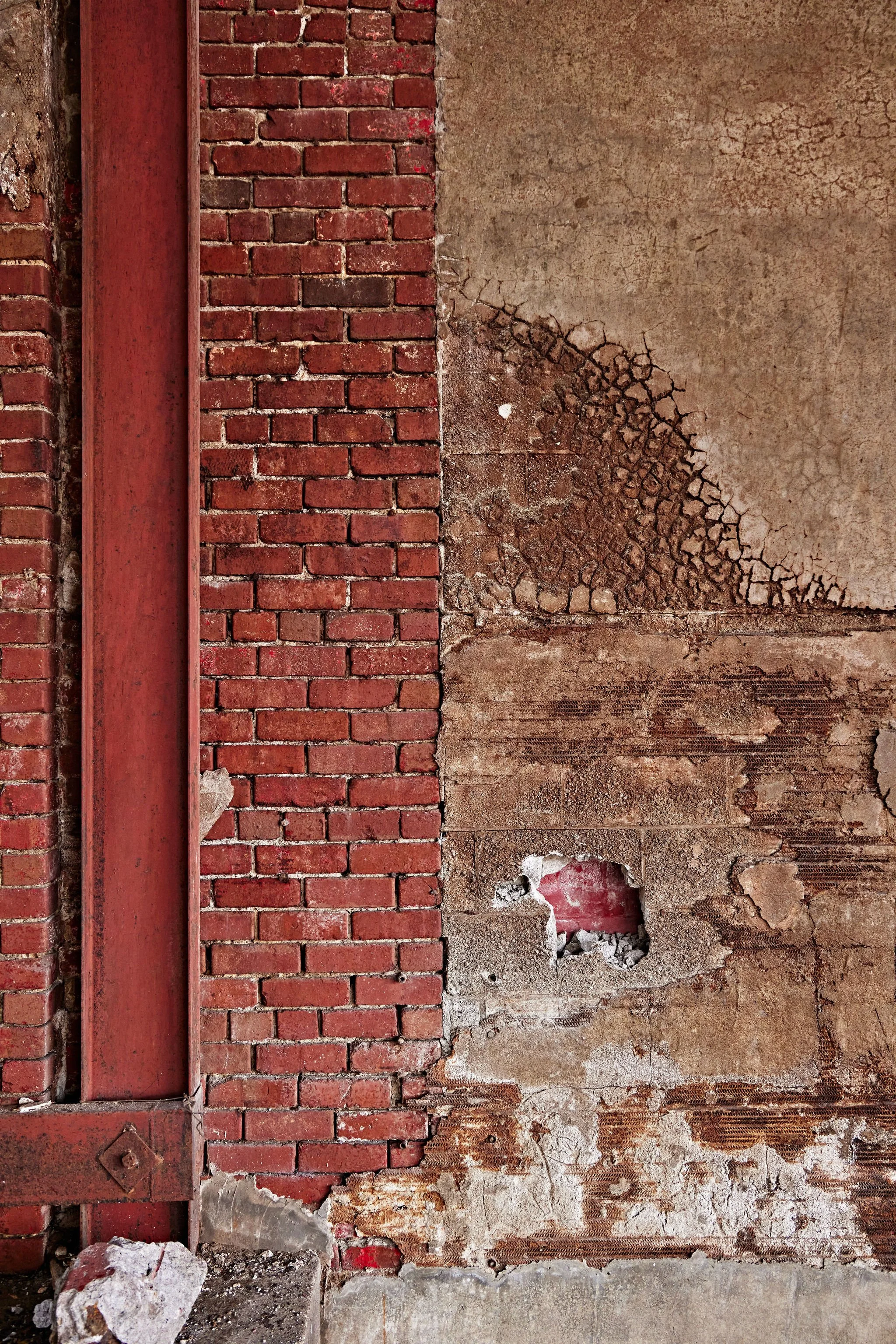
Cities constantly overwrite themselves. Factories become condominiums. Rail lands become parks. That change is inevitable, but photography can hold onto fragments that development erases. A photograph preserves texture, scale and atmosphere in ways written history often cannot. It records how a place felt.
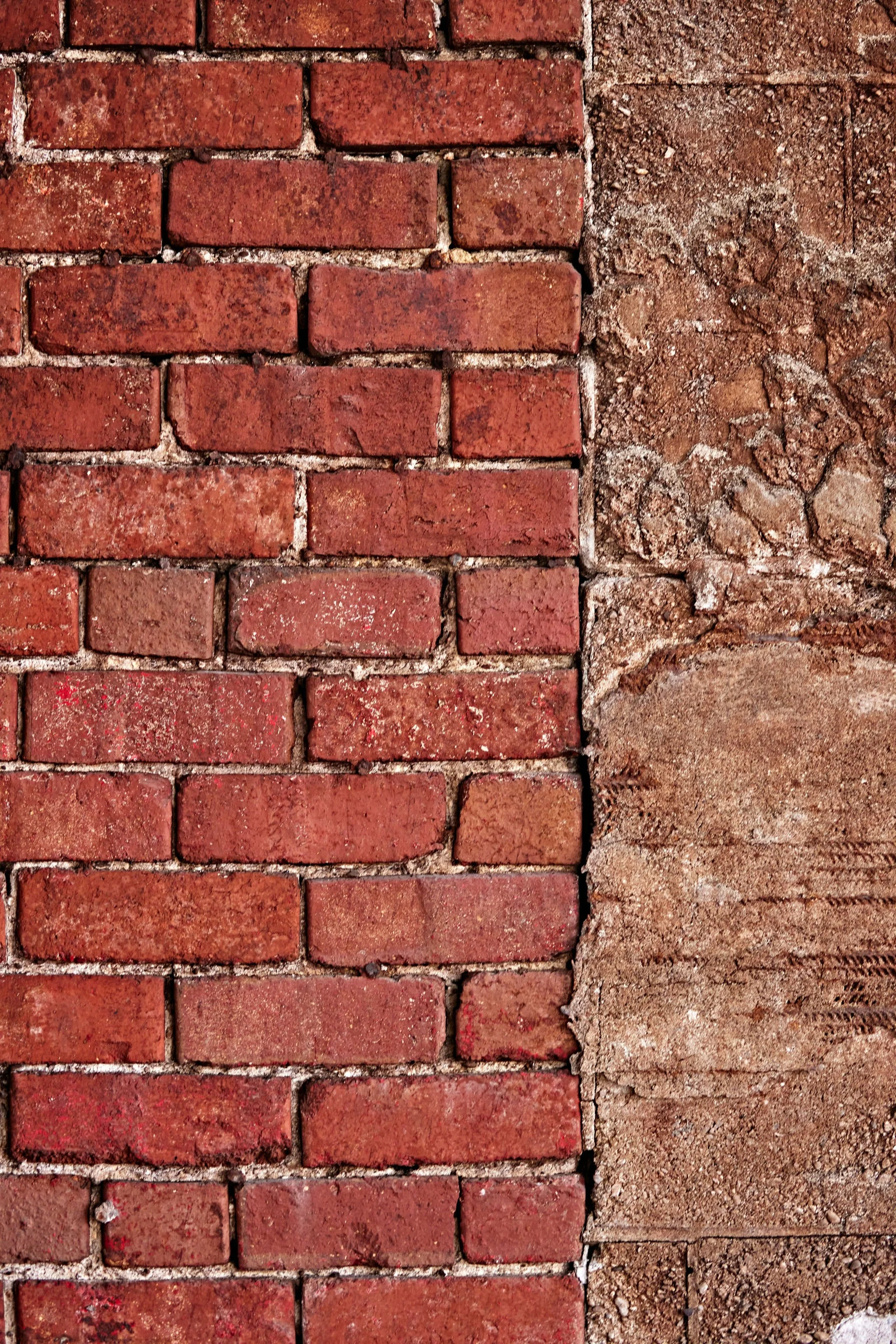
What struck me most inside the slaughterhouse was the silence. Industrial buildings are designed around motion and noise. Once abandoned, the absence becomes almost physical. Small details suddenly stand out: faded signage, worn stairs, forgotten tools. The building begins to feel less like architecture and more like archaeology.
A camera gives temporary things another lifespan. It preserves traces of working-class history before they disappear behind glass towers and marketing renderings. Toronto changes aggressively, and entire industrial districts have vanished within a generation. Photography can’t stop that, but it can prevent total amnesia.
Long after the building disappeared, the photographs remained as proof that this part of the city once had a very different life.

All photographs © Industryous photography